Add Row
Add Element
cropper
update

{COMPANY_NAME}

cropper
update
Add Element
    Add Element
    • update
    • update
    • update
    • update
    • update
    • update
    • update
    July 04.2025
    3 Minutes Read

    Vaccines and Pet Insurance: What Every Pet Owner Needs to Know!

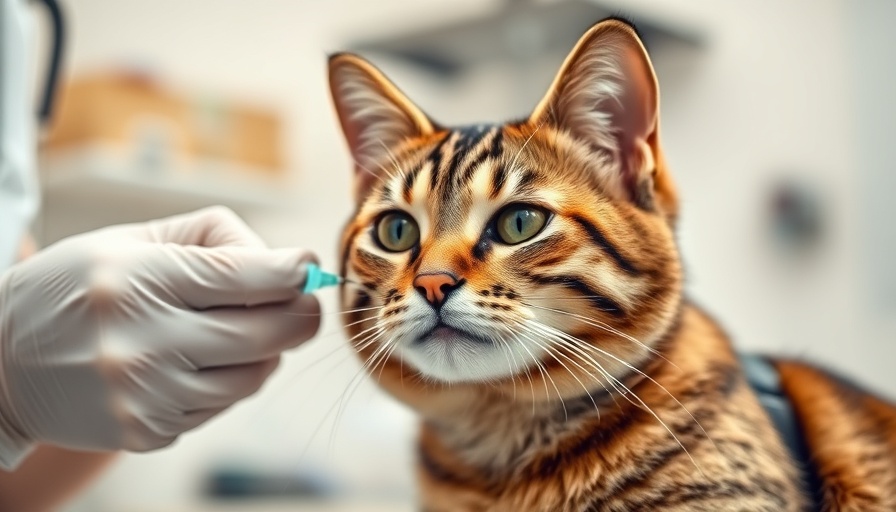
    Does Pet Insurance Cover Shots: Cat receiving vaccination.

    Understanding Pet Vaccines: Core vs. Non-Core

    Many pet owners find themselves perplexed by the myriad of vaccines available for their furry friends. Vaccinations are divided into two main categories: core and non-core. Core vaccines, such as rabies and distemper, are vital for every pet, while non-core vaccines are suggested based on a pet’s particular lifestyle or geographical location.

    Your veterinarian is your best ally in determining which vaccines are necessary for your pet. Their expertise can ensure that your pet stays healthy and protected from preventable diseases. As a community of pet lovers, knowing about these options can empower us to make informed decisions for our beloved companions.

    The Importance of Vaccination in Pet Healthcare

    Vaccines play an essential role in protecting pets from serious illnesses. For puppies, core vaccines often include rabies, parvovirus, and distemper. Similarly, kittens receive their vaccinations for feline panleukopenia and rabies. Maintaining your pet’s vaccination schedule not only safeguards their health but also contributes to the overall safety of our community’s animals.

    Consider the parallel; when a community achieves high vaccination rates, the effects are significant. Just as herd immunity helps prevent diseases from spreading, keeping our pets vaccinated can help lower the chances of outbreaks in our neighborhood. Every pet vaccinated contributes to a healthier environment for all.

    Financial Considerations: Vaccination Costs

    The cost of vaccines can vary widely, influenced by factors such as your pet’s age, size, and breed. For instance, a series of initial vaccinations for puppies may cost between $100 and $200, while adult pets usually require booster shots every one to three years, averaging $20 to $60 per shot. Understanding these costs allows pet owners to budget effectively for their healthcare.

    Moreover, to dodge unexpected expenses, consider establishing a budget for routine veterinary care. By planning ahead, pet owners can alleviate financial stress associated with vaccinations and other health needs.

    Are Vaccines Covered by Pet Insurance?

    As enticing as pet insurance might appear, it's essential to comprehend what these plans typically cover. Most pet insurance providers, including Healthy Paws, primarily focus on unforeseen accidents and illnesses, intentionally excluding routine care like vaccinations. This coverage structure emphasizes the importance of understanding what you’re signing up for when choosing an insurance plan.

    However, it’s vital to see pet insurance as a safety net for unexpected injuries or illnesses rather than a comprehensive solution for all health care needs. Being informed about these limitations allows pet owners to make educated choices about their pets’ healthcare without any nasty surprises later on.

    Tips for Saving on Vaccination Costs

    While vaccinations are a necessary expense, there are creative ways to manage these costs. Consider weekly community events, as many local humane societies offer low-cost vaccination clinics. These events often allow you to save considerably while providing your pet with the necessary shots.

    Additionally, ask your veterinarian about bundled vaccination packages if you have a puppy or kitten. Timing your vaccinations correctly can also avoid unnecessary costs and keep your furry friend healthy. For example, staying on schedule can help avoid needing extra booster shots and thus cut down on expenses.

    The Community Impact of Vaccination Awareness

    Being proactive about vaccinations not only benefits your pet but also fosters a greater awareness within the community. When pet owners share their knowledge about vaccinations and their importance, they spread vital information that may encourage others to protect their pets as well. This collective responsibility is integral to fostering a community where our pets can thrive without the threat of infectious diseases.

    Through conversation and engagement, pet owners can create a social dialogue around pet healthcare that reinforces community bonds and promotes responsible pet parenting.

    Take Charge of Your Pet's Health!

    As a pet owner, your role goes beyond ensuring your furry friend has food and shelter. Being proactive about vaccinations and educating yourself about their importance can lead to a healthier life for your pet and a stronger community. Don’t hesitate to reach out to your veterinary professionals with any questions. Start today by making vaccinations a priority and encouraging fellow pet owners to do the same!

    Travel

    Write A Comment

    *
    *
    Related Posts All Posts
    12.12.2025

    Embracing the Furry Family: Financial Preparedness for Pet Love

    Update The Heartfelt Connection: Why Pets Are More Than Just Companions Every pet owner understands the joy of coming home to a wagging tail or a purring ball of fur. This special bond between humans and animals isn't just about companionship; it's also intertwined with significant responsibilities. Beyond love and affection, being a pet parent means ensuring that your furry friend receives the best possible care, which often boils down to financial preparedness. Preparing for the Financial Commitment of Pet Ownership Welcoming a pet into your home can be one of the most satisfying decisions you will make. However, it also comes with essential financial considerations that require your attention. According to experts, total pet ownership costs can easily reach thousands of dollars over the life of a pet, from food and veterinary care to training and unexpected emergencies. A new pet owner should first understand initial costs such as adoption fees, vaccinations, and basic supplies like food bowls and toys. For instance, the ASPCA estimates these initial expenses can range between $455 to $1,030. If you adopt rather than buy a pet, you may benefit from lower costs, especially as many shelters often cover basic veterinary care in their adoption fees. Annual and Emergency Expenses: A Lifelong Responsibility After the initial setup, routine care expenses begin to gather steam. These can include yearly veterinary check-ups, medication, grooming, and even pet insurance premiums, which can range from $20 to $50 per month. State Ave Veterinary Clinic notes that preventive care, including vaccinations and annual check-ups, is crucial for a pet’s long-term health. Pets are living creatures that often require unexpected medical attention. Emergencies—like accidents or sudden illnesses—can result in an additional financial strain, sometimes costing from a few hundred to several thousand dollars. That’s why having an emergency fund set aside for a pet is not just smart, but essential for responsible pet ownership. Strategies for Building a Financial Safety Net for Your Pet As you consider the financial commitments of pet ownership, it's prudent to develop a strategic plan. Starting a pet savings account can act like an emergency fund, ensuring that sufficient money is available for unexpected costs. It's also wise to explore pet insurance or wellness plans, which can help offset the costs of routine care. In addition to setting financial markers, comparing veterinarian prices and taking advantage of discounts and loyalty programs can conserve your budget. Incorporating DIY solutions, like homemade pet toys or repurposed items for your pet’s comfort, can also bring down overall costs while providing creative enjoyment. The Emotional Benefits of Financial Preparedness Beyond the numbers, financial preparedness can provide peace of mind. Imagine the relief of knowing that you won’t have to make a heart-wrenching decision between providing necessary care or worrying about your finances. By planning ahead, you set yourself up and your pet for a lifetime of happiness and health. The Bigger Picture: A Culture of Responsible Pet Adoption The love that people have for their pets can inspire a communal effort towards responsible pet ownership. As we advocate for adoption, it’s crucial to also foster an understanding of the complete care cycle, which includes attentive financial planning. By preparing adequately, pet parents can focus less on financial burdens and more on enjoying every moment with their furry companions. Final Thoughts: Are You Ready for the Joys of Pet Ownership? As you reflect upon the prospect of adopting a new pet, consider all facets of care—including the financial components. With a solid plan and budget, bringing a pet into your household can be a wonderful adventure, filled with happiness and companionship. This National Pet Month, let’s strive to ensure all pet owners are equipped with the tools and knowledge needed to provide the best for their four-legged family members.

    12.12.2025

    Understanding Pet Insurance: What Happens Without It for Your Pets

    Update Why Pet Insurance Matters More Than You ThinkAs any devoted pet owner knows, our furry friends bring unimaginable joy and companionship into our lives—but they can also present financial challenges, especially when it comes to health care. One of the key aspects of responsible pet ownership is understanding the necessity of veterinary care and the costs associated with it. With veterinary expenses rising and unexpected emergencies occurring, having pet insurance can be a lifesaver.The True Costs of Veterinary CareVeterinary bills can add up quickly, with simple visits often running into the hundreds of dollars and emergency treatments skyrocketing to thousands. For example, treatments for common conditions like surgeries, prolonged illnesses, or dental emergencies can cost anywhere from $800 to $5,000. Without proper coverage, many pet owners find themselves struggling to afford critical care. In severe cases, financial constraints may lead pet owners to make the heartbreaking choice of euthanasia over treatment, a reality that none of us want to face.According to industry insights, pet insurance has become increasingly popular among pet owners seeking to cushion the blow of these looming costs. Coverage options vary widely, with policies that include accident coverage, chronic illness treatments, and sometimes even wellness visits. Notably, we see a steady growth in pet insurance, with over 4 million pets insured in the US alone as of 2021.Breaking Down Pet Insurance OptionsWhen considering pet insurance, it’s vital to understand what each plan covers. Basic plans usually provide coverage for accidents and emergencies, while comprehensive plans offer more extensive coverage, including routine preventative care. However, it's essential to read the fine print—most policies will not cover pre-existing conditions. Costs for these policies can range from $20 to $50 monthly, which can be a small price to pay for peace of mind.Common Misconceptions About Pet InsuranceMany people hesitate to invest in pet insurance due to misconceptions such as “it’s too expensive” or “I’ll just save money instead.” However, the unpredictability of a pet's health can often negate the advantages of saving alone. Emergencies happen without warning, and having insurance means you are prepared to give your pet the care they need without the stress of immediate financial burden.Finding the Right Policy for Your PetWith numerous options available, selecting the right insurance provider can feel overwhelming. Aim to research and compare plans, considering factors such as coverage amounts, deductibles, and exclusions. Companies like Healthy Paws and Embrace are recommended for their robust coverage options, allowing you to tailor the policy that best suits your pet's needs.Emotional Side of Pet CareIt’s not just about the financial implications—having pet insurance can alleviate emotional stress. Knowing that you can provide your pet with necessary medical care without overwhelming debt can relieve the anxiety that many pet owners experience during emergencies. This peace of mind contributes significantly to the overall well-being of our beloved companions.Securing Your Pet’s FutureUltimately, investing in pet insurance is akin to a safety net that can protect you and your furry friends from the unpredictable nature of accidents and illness. By choosing to secure coverage, you ensure that your pet can enjoy a life filled with health and happiness. Consider exploring your options today to find a plan that provides both care and comfort for you and your beloved pet.If you’ve been hesitating about getting pet insurance, now is a great time to start your search for the right plan. It’s a small step towards ensuring your furry friend gets the best care, no matter what happens.

    12.05.2025

    The Emotional Stakes: What Happens When You Don’t Have Pet Insurance?

    Update Understanding the Cost Implications of Pet Ownership When you choose to welcome a furry companion into your life, there’s an undeniable joy that comes with it—unconditional love, companionship, and countless heartwarming moments. However, with these joyous moments come responsibilities, one of which is managing the financial aspects of pet care. Pet owners often find themselves faced with rising veterinary bills that can almost feel overwhelming at times. Several factors contribute to these rising costs. Veterinarians’ wages and the expenses related to medical supplies are on the rise, just like in many other healthcare professions. Additionally, advances in technology mean that treatments are more effective but also pricier. It’s essential for veterinary practices to remain profitable to continue offering these advanced services, which translates into higher prices for pet owners. The Heartbreaking Financial Dilemmas As a pet parent, financial strain can undoubtedly introduce anxiety into what should be a fulfilling and joyous experience. The choices regarding your pet’s care become even more agonizing. For instance, when faced with a financial dilemma, how do you choose between buying groceries and paying for your pet’s heartworm medication? It’s a haunting decision, yet many owners find themselves in this very situation. Some pet owners may feel the pressures of adjusting their budgets too. Luxuries such as new toys or premium food brands may need to be reconsidered. Instead of providing the best for their pets, they might opt for budget-friendly alternatives, which might not always be the healthiest choice. Giving Up Pets: An Emotional Cost The most heart-wrenching decision is when financial realities force pet owners to consider giving up their beloved pets. The bond between a pet and owner is profound; the thought of having to part ways because of financial constraints is painful. This turmoil often leads to neglecting veterinary visits, which can harm the pet's physical health in the long run. In extreme cases, pet owners may find themselves contemplating euthanasia for their pets, faced with an unmanageable health crisis and insurmountable costs. It’s critical to understand that no pet owner wishes to make such a decision. Learning how a lack of pet insurance can lead to these gut-wrenching choices underlines the importance of being proactive in protecting your pet's health. Exploring Alternatives to Pet Insurance While pet insurance is one effective way to mitigate costs and ensure that necessary care is accessible when needed, it isn't the only option. Some pet owners might consider creating a health savings account dedicated to their pet's needs. Setting aside a small amount each month can build a financial cushion over time, easing the burden of unexpected vet bills. Additionally, exploring community initiatives—such as local animal clinics that offer sliding scale fees based on income or charitable organizations that can assist in emergencies—can also provide support. Veterinarians often recommend these resources to distressed pet parents who might need help in covering treatment costs. Final Thoughts: Investing in Peace of Mind Ultimately, the goal of pet ownership should be to ensure the health and happiness of your furry friend without the ever-present shadow of financial strain. Investing in pet insurance, understanding potential costs, and exploring community resources helps build a safety net that benefits both pet owners and their beloved companions. Financial planning for pet care not only offers peace of mind but also strengthens the cherished bond between pets and their families. Pet care should be about love and companionship, not stressful decisions borne out of financial hardship. You have the ability to make informed decisions that allow you to provide the best for your pet while keeping your financial health in check. Remember, every act of care counts towards building a happy life together.

    Terms of Service

    Privacy Policy

    Core Modal Title

    Sorry, no results found

    You Might Find These Articles Interesting

    T
    Please Check Your Email
    We Will Be Following Up Shortly
    *
    *
    *