Add Row
Add Element
cropper
update

{COMPANY_NAME}

cropper
update
Add Element
    Add Element
    • update
    • update
    • update
    • update
    • update
    • update
    • update
    July 31.2025
    3 Minutes Read

    Unpacking the Truth: 15 Dog Myths Every Pet Owner Should Know

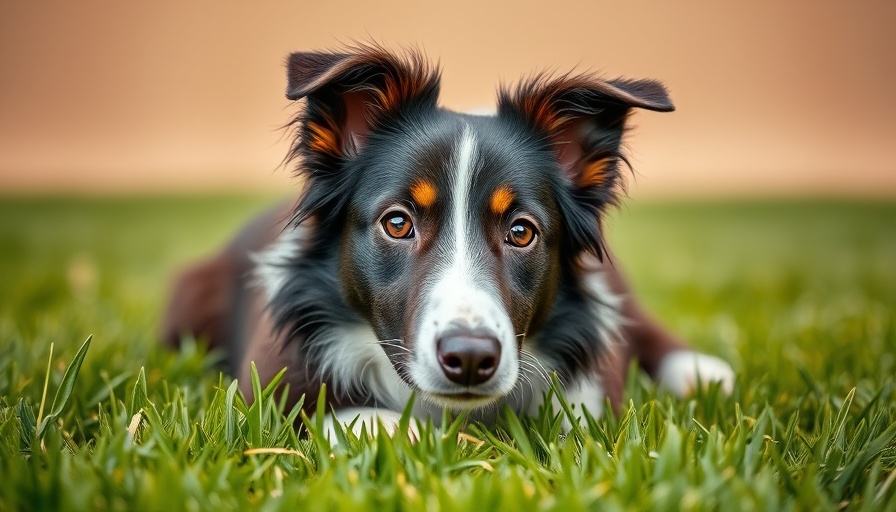
    Curious dog tilting head, exploring dog myths and misconceptions.

    Understanding Dog Myths: Why Awareness Matters

    Dogs have secured their place in the hearts and homes of many, with approximately 44.5% of American households sharing their lives with one. However, the joy of dog ownership can be hampered by misconceptions that lead to poor practices and decisions. By debunking these myths, we empower current and future dog owners to create healthier, happier environments for their pets.

    Misconceptions Surrounding Aggression: A Closer Look

    One prominent myth is that aggression is inherently linked to the breed of the dog. This perception has resulted in breed-specific legislation, often targeting popular breeds like Pit Bulls. Yet, the American Veterinary Medical Association clarifies that aggression stems from various factors, including a dog's upbringing, socialization, and training. Banning specific breeds doesn’t eliminate dog bites; instead, it reduces incidents among the banned breeds while leaving the overall issue unresolved.

    Debunking Grain-Free Diets: What You Need to Know

    Another widespread belief is that grain-free diets are healthier for dogs than grain-inclusive options. This idea has been promoted by certain pet food manufacturers. However, nutritionists assert that dogs' digestive systems have adapted over thousands of years to process grains, making them part of a balanced diet. Signs have emerged linking grain-free diets to potential heart issues, particularly dilated cardiomyopathy, raising concerns about the assumption that grains are harmful.

    The True Meaning Behind Tail Wagging

    Many dog owners believe that a wagging tail automatically means a dog is happy. In reality, tail positioning and movement can indicate various emotions, including anxiety or aggression. Recognizing the nuances of canine body language is crucial for developing better communication between dogs and their humans.

    Additional Dog Myths to Stay Informed About

    Beyond these three points, there are numerous other myths that affect dogs' health and well-being. For example, the belief that a warm, dry nose indicates sickness is misleading; a dog's nose temperature can fluctuate for various benign reasons. Additionally, the idea that dogs are carnivorous by nature oversimplifies their dietary needs and ignores the development of their digestive systems.

    The Impact on Veterinary Practices and Pet Care

    Veterinarians and vet techs are at the forefront of combating these myths by educating dog owners. As misunderstandings around pet care continue to circulate, the assistance of pet nutritionists, trainers, and groomers proves critical. They can provide the correct insights necessary to bolster the knowledge base surrounding canine care through practical advice. For instance, understanding proper diet, socialization, and appropriate training techniques can greatly improve dogs' lives.

    Future Trends: The Role of Education in Pet Care

    As more people post their opinions online, the battle against misinformation persists. Organizations advocating for humane treatment and responsible ownership must emphasize education as a cornerstone of dog care. Pet parent inspired clothiers, rescue organizations, and accessory developers can leverage technology and share information to help debunk popular but inaccurate beliefs. Building communities that foster genuine connections can be essential to dispelling myths and changing public perceptions.

    In light of these insights, it's vital for everyone involved in pet care—from pet food manufacturers to trainers—to engage in ongoing education. Cultivating informed dog owners not only leads to improved pet care but also has the potential to transform public policy regarding breeds and health considerations.

    As we continue to learn more about dogs through research and practice, it's essential to question the validity of long-held beliefs and ensure our pets receive the best care possible. The conversation around pet care is evolving, and by staying informed, dog owners can make choices that truly benefit their furry companions.

    Pet Care

    0 Comments

    Write A Comment

    *
    *
    Related Posts All Posts
    02.24.2026

    Ultimate Guide to Managing Your Dog's Excessive Barking Behavior

    Update Understanding Excessive Barking: A Common Canine Challenge Many dog owners know the struggle: a dog that won’t stop barking can lead to uncomfortable situations, both at home and in public. The reasons behind excessive barking are varied; it might be due to boredom, anxiety, or simply a way to engage with their environment. Understanding why your dog barks is the first step in addressing the issue. Why Dogs Bark: The Many Motivations Behind the Sound Barking is an essential form of communication for dogs. It serves numerous purposes—from alerting you to potential dangers to expressing excitement or loneliness. Recognizing the context in which your dog is barking can help you respond appropriately. For instance, if your dog barks when someone approaches the house, it could be a natural guarding instinct. On the other hand, persistent barking might indicate underlying behavioral issues such as anxiety or fear. Practical Insights to Tame the Barking Equipping yourself with effective strategies is crucial to manage excessive barking. Here are some actionable steps pet professionals can consider: Increase Physical Activity: A well-exercised dog is less likely to engage in nuisance barking. Daily walks and interactive playtime can help mitigate pent-up energy that often leads to excessive barks. Engage Their Minds: Use puzzle toys or game-based training to keep your dog mentally stimulated. Tools like frozen Kongs filled with treats can occupy a dog's attention for a significant time, reducing their urge to bark. Implement Training Techniques: Classes in obedience training not only teach commands but also provide structured social interactions, which can alleviate barking due to anxiety around other dogs or people. Understanding the Role of Environment Sometimes, changing a dog’s environment can significantly impact barking. Consider using barriers, such as blinds or privacy fences, to reduce stimuli that trigger barking. Creating a specific “quiet zone” where a dog can retreat also helps manage their response to disruptions. The Importance of Non-Reactive Training Pets trained with non-reactive methods tend to respond better to stimuli without resorting to barking. When a dog begins to bark for attention, distracting them with preferred toys can shift their focus, rewarding the silence rather than reprimanding the barking. It is crucial, however, to remain consistent in this training approach. When to Seek Professional Help If your dog’s barking appears to stem from fear or anxiety, seeking the guidance of a certified animal behaviorist might be necessary. They can provide tailored exercises and strategies to cope with these emotions, ensuring that your dog feels secure and relaxed. Building a Support Network: The Role of Pet Professionals Veterinarians, trainers, and pet behavior specialists play an essential role in helping pet parents navigate barking issues. Collaborating with these professionals allows for well-rounded support, ensuring that the barking is addressed through an informed and multifaceted approach. Engagement with pet nutritionists can also contribute to behavioral improvements by ensuring that a dog’s diet supports optimal health and energy levels. Final Thoughts: Pet Parenting and Bark Management Barking can be a complex issue, but with understanding and resources, pet parents can achieve a harmonious household. By combining exercise, mental stimulation, and professional insights, you can transform your dog’s barking behavior into a form of communication that is enjoyable for you both. If you feel overwhelmed, remember that you're not alone—reach out to fellow pet professionals and support networks to share experiences, strategies, and solutions.

    02.23.2026

    Everything You Need to Know About Traveling With Your Dog

    Update Traveling With Your Dog: Making Memories TogetherTraveling with your dog can create some of the most cherished memories you'll ever have. Whether it's embarking on a road trip or exploring a new city together, having your furry friend by your side turns any adventure into a joyous occasion. According to veterinary experts, taking dogs on trips not only strengthens the bond between pet and owner but can also have positive effects on the dog's mental and emotional well-being. Understanding what to pack can make the difference between a stressful experience and a memory-filled journey.Essential Items for the First-Time TravelerFor those venturing into the world of dog travel for the first time, it can be both exciting and daunting. Packing the right essentials can ease anxiety for both the owner and the dog. Start with comfort and familiarity: your pet's regular food, a favorite blanket or toy, and the necessary health documents are critical. Veterinarians emphasize the importance of bringing familiar items, as they help minimize stress for your pup in unfamiliar environments. Include a well-fitted harness and ID tags with up-to-date contact information. These not only provide comfort but also crucial safety during your adventures.Top Tips for Road Trips with Your DogRoad trips are often the most dog-friendly travel option where you have the flexibility to stop whenever needed. Implementing certain road trip essentials can make all the difference. According to trainers and pet behavior specialists, a safe setup in the vehicle is paramount. Use a dedicated dog seatbelt or harness designed specifically for car travel to keep your pup secure. Regular breaks every 2-3 hours are also recommended for bathroom stops and decompression. In addition, comfort items like a travel bed or even your dog's favorite blanket can create a calming atmosphere. As a bonus, keeping your dog hydrated with portable water options and packing plenty of treats can make for a smooth trip.Flying with Your Pup: What You Should KnowWhile flying with a dog requires additional planning compared to road trips, it can still be a manageable experience if done right. Research regulations of airlines regarding pet travel, as they vary and could affect your planning. It's essential to book a direct flight and familiarize your dog with their carrier before the journey — this reduces anxiety significantly. Make sure to pack specific items such as a leash, travel food and water bowls, and a comforting chew or toy to ease your pup's nerves during the flight.Ensuring Your Dog's Comfort and SafetyBeyond the physical items, considering your dog's emotional well-being during travel is crucial. Experts like pet grief counselors recommend techniques such as exercise prior to traveling to tire your dog out, making rest easier on the road or in the air. Additionally, familiarize them with the environments they might encounter while traveling. Gradual exposure to various stimuli can help reduce anxiety and excitement levels during trips.Products and Resources to Enhance Travel ExperienceTo elevate your travel experience, various products can be beneficial. For instance, collapsible bowls and portable water bottles ensure that hydration remains a priority on the go. Health food manufacturers are now developing travel-sized packs of dog treats, specifically designed for both nutritious feeding and convenience during travel. Getting advice from trainers on the best products tailored for specific travel needs can also be very helpful. Websites and social media groups often provide tips and tricks from those who've traveled extensively with their pets.A Community of Pet-Parent SupportThe community surrounding dog ownership is rich with advocates eager to share their thoughts and experiences. Whether you’re a veterinarian, a pet nutritionist, or a trainer, creating a network of support can provide practical insights into preparing for travel. Engaging with local dog clubs or community forums dedicated to pet travel can also offer encouragement and resources for new pet parents.Ready, Set, Travel!Traveling with a dog can be immensely rewarding, packed with opportunities for connection, adventure, and joy. Proper planning, understanding your dog's needs, and utilizing helpful resources are the keys to a successful trip. As you prepare to hit the road or board a plane, remember that you and your dog are in for an experience unlike any other — one that solidifies your bond and creates memories that will last a lifetime.Join the Traveling Pet CommunityAs you embark on your travels, connecting with a community of pet lovers can enhance your experience. Share your journey and tips with local rescue organizations, fellow pet owners, and attend events designed to celebrate the joys of pet travel. Start planning your next adventure today!

    02.22.2026

    Why Yellow Dog Poop Should Never Be Ignored: Key Insights for Pet Professionals

    Update Understanding Yellow Dog Poop: An Essential Health Indicator The science behind dog stool colors is more than just a matter of curiosity; it’s vital to a dog’s health. When your pup's usually brown poop takes on a striking yellow hue, it invariably signals a need for attention. The reasons behind this occurrence range from benign dietary indiscretions to potentially serious health conditions such as liver dysfunction or pancreatic issues. Common Causes of Yellow Dog Poop As a pet professional or concerned pet parent, it’s essential to understand the most common factors that lead to yellow stool in dogs. Dietary changes are one major cause, particularly abrupt shifts to new food or overly rich treats. Such rapid changes can upset a dog’s digestive system, precluding proper bile breakdown. Food intolerance is another issue, where certain ingredients lead to digestive disturbances, resulting in yellow stool. Additionally, infections or parasites such as Giardia can trigger significant gastrointestinal upset, manifesting in stool color changes alongside symptoms like weight loss or abdominal distress. Serious underlying conditions, like pancreatitis or gallbladder issues, shouldn’t be dismissed either. These health problems can severely impair the digestive process and should be treated urgently. Any sign of persistent yellow coloring or accompanying symptoms warrants a vet visit. Recognizing When to Act It’s important to differentiate between harmless variations in stool color and more alarming indications. A one-off occurrence of yellow poop is generally not a cause for concern—pets can react momentarily to changes in diet. However, if the yellow stool persists for more than 48 hours, or is accompanied by distressing symptoms like vomiting, lethargy or changes in appetite, it is crucial to consult a veterinarian. Pet professionals should familiarize pet owners with the warning signs. These include not only the color and consistency of the stool but also any changes in the dog's behavior, energy levels, or feeding habits. Practical Insights: How to Maintain Digestive Health in Dogs Preventative measures can be key in reducing the occurrence of abnormal stool colors. First, maintain a consistent diet tailored for your dog's unique needs. Introduce new foods gradually, allowing for a 7-10 day transition period. High-quality, easily digestible pet food is paramount. Moreover, consider the benefits of probiotics which support gut health, especially after any gastrointestinal disturbances. Regular exercise and adequate hydration also play a significant role in effective digestion and overall health. Each of these steps helps ensure that any potential issues are caught early. FAQs About Yellow Dog Poop As veterinary professionals, you’ll encounter numerous inquiries about yellow dog poop. Here are some frequent questions: Can probiotics help fix yellow dog poop? Yes, especially after a course of antibiotics or digestive upset, as they help restore gut flora. Why does my dog’s poop turn yellow only in the mornings? This may relate to overnight digestive processes that affect bile absorption. Is yellow poop contagious? This depends on the cause; parasitic infections can spread among dogs, making sanitation critical. What if only one dog has yellow poop? Dogs may react differently to the same foods, and not every dietary mishap will affect all dogs in the household. Conclusion: Be Proactive for Your Pet's Health Ultimately, while yellow dog poop isn’t necessarily a panic button, it’s a clear signal that something in your dog’s health or diet may need addressing. As practitioners in the field, your proactive approach can help pet owners recognize potential issues early and seek veterinary advice when necessary. By remaining vigilant and educating pet owners about what their dog’s stool can reveal, you contribute significantly to their pet’s overall well-being. Call to Action: Encourage your clients to keep a log of their dog's bathroom habits. This simple yet effective tool can be an invaluable asset in detecting health issues early.

    Terms of Service

    Privacy Policy

    Core Modal Title

    Sorry, no results found

    You Might Find These Articles Interesting

    T
    Please Check Your Email
    We Will Be Following Up Shortly
    *
    *
    *