Add Row
Add Element
cropper
update

{COMPANY_NAME}

cropper
update
Add Element
    Add Element
    • update
    • update
    • update
    • update
    • update
    • update
    • update
    April 16.2025
    3 Minutes Read

    Understanding Sudden Hind Leg Weakness in Dogs: Causes and Insights

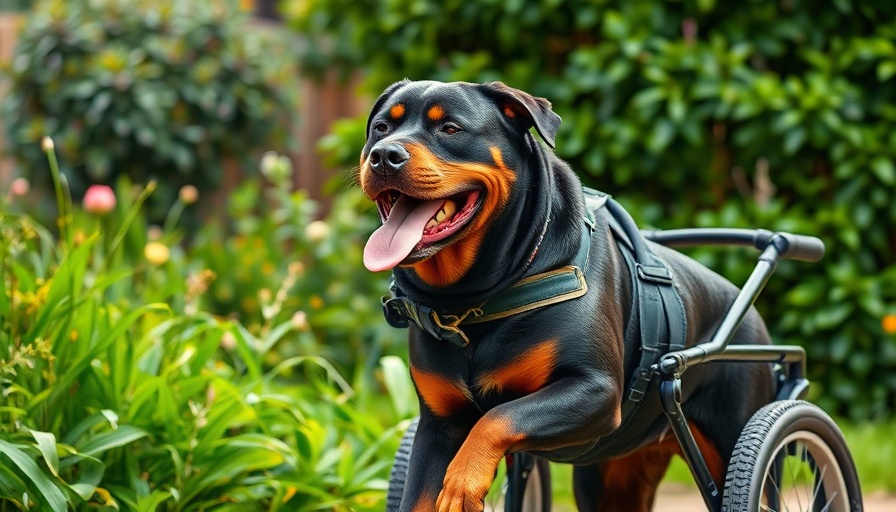
    Rottweiler using wheelchair in garden - Causes of Sudden Hind Leg Weakness in Dogs

    Understanding the Signs of Hind Leg Weakness in Dogs

    As pet parents, discovering that our beloved dogs suddenly struggle to walk can be distressing. Affected canines may exhibit signs such as instability, uncoordinated movements, painful joints, and even signs of paralysis. These symptoms can indicate serious underlying issues that require immediate veterinary attention. The sooner your dog receives a professional assessment, the better their chances of recovery.

    7 Common Causes of Sudden Hind Leg Weakness

    Many factors can lead to sudden declines in your dog's mobility. Here are several critical causes that veterinarians regularly encounter:

    • Intervertebral Disc Disease (IVDD): A common affliction in certain breeds such as Dachshunds, IVDD involves a herniated disc causing severe back pain and possible paralysis. Dogs may show sudden mobility loss following exercise, highlighting the need for swift veterinary intervention.
    • Fibrocartilaginous Embolism (FCE): This "spinal stroke" restricts blood flow when a fragment of cartilage blocks an artery, leading to sudden leg dysfunction without pain. Larger breeds like Labradors and German Shepherds are often affected.
    • Canine Arthritis: This degenerative joint disease primarily affects older dogs. The pain associated with arthritic joints can drastically limit mobility, leading to noticeable weakness in the back legs.
    • Lumbosacral Stenosis: Characterized by nerve compression in the lower back, this painful condition may result in altered gait patterns, wobbling, and potential incontinence.
    • Degenerative Myelopathy (DM): A progressive disease that primarily affects large breeds, DM leads to gradual hind leg weakness and paralysis, with many dogs experiencing a decline in their mobility.
    • Patellar Luxation: This condition involves dislocation of the kneecap, which can result in intermittent limping or weakness, especially in small or toy breeds. Quick diagnosis can help address the issue and minimize discomfort.
    • The Importance of Veterinary Care: Whatever the cause, prompt veterinary evaluation is paramount. Many cases of hind leg weakness can be managed or treated effectively if they are caught early. As many familiar with the veterinary field know, early intervention can greatly improve outcomes.

    Emotional Impacts on Pet Parents

    Understanding your dog's condition can be an emotional rollercoaster. Many pet parents feel helpless upon seeing their animals in pain or struggling to perform daily activities. If your pet exhibits symptoms of hind leg weakness, it's not just a health concern; it's a shared experience that can affect their families. Cultivating a supportive community among fellow pet owners empowers individuals to seek help and share experiences openly.

    Insights for Veterinary Professionals and Pet Care Specialists

    For veterinarians and vet technicians, recognizing these common conditions is vital in offering appropriate treatment. Educating pet parents about symptoms to look for and the necessity of veterinary check-ups empowers owners to engage proactively with their pet's health. Additionally, pet nutritionists and trainers can contribute by advising clients on diets and exercises that support mobility and joint health.

    Connecting with Your Local Community

    As advocates for animal welfare, encouraging pet parents to seek local resources and organizations dedicated to animal care provides valuable support. Engaging with groups such as rescue organizations and pet accessory developers not only helps spread awareness but strengthens community bonds. Share success stories and uplifting experiences to inspire more people to reach out.

    Practical Tips for Managing Hind Leg Weakness at Home

    For those managing a dog exhibiting hind leg weakness, creating a comfortable environment can help ease their journey. Consider investing in mobility aids like walking harnesses or wheelchairs, which can assist your pet in getting around and improving their quality of life. Regular short walks and adjusted meal plans can support mobility, while proper veterinary follow-ups will keep your furry friend on a path to recovery.

    Final Thoughts on Hind Leg Weakness

    If you observe symptoms of hind leg weakness in your dog, don't hesitate to consult a veterinarian. Understanding and addressing the underlying causes quickly can vastly improve your dog's quality of life and mobility. Reach out to your local pet care specialists and community advocates who can help you navigate these trying times. Ultimately, ensuring your dog’s health and happiness requires collaboration and engagement with your pet care network.

    Ultimately, being informed and proactive allows pet parents to best support their furry companions through any struggles they face. Remember, the love of a pet transcends challenges, and together we can navigate comfort in the face of adversity.

    Adoption & Rescue

    0 Comments

    Write A Comment

    *
    *
    Related Posts All Posts
    02.22.2026

    Understanding the Lifespan of Border Collies: Key Factors That Matter

    Update The Lifespan of Border Collies: What You Need to Know Border Collies are renowned for their sharp intelligence, remarkable energy, and unparalleled trainability. As potential pet parents and those working with animals—from veterinarians to trainers and groomers—understanding the lifespan of these delightful companions is crucial. On average, Border Collies live between 12 and 15 years, but several factors can influence this range. Here’s a closer look. Key Factors Influencing Lifespan When it comes to the longevity of a Border Collie, numerous circumstances play a role: Genetics and Breeding Practices One of the most significant factors impacting a dog's lifespan is its genetic background. Responsible breeding practices that prioritize health screenings can mitigate hereditary issues. When considering a new pup, it's vital to seek reputable breeders who test for common genetic conditions. Puppies produced through questionable breeding practices often inherit health problems, which may shorten their lives, making it crucial for veterinarians and pet advocates to support responsible breeding methods. Nutrition: Feeding for Longevity A high-quality diet tailored to their specific needs can significantly influence a Border Collie's life expectancy and overall health. These energetic dogs demand a nutrient-rich diet, particularly during growth spurts, pregnancy, or their senior years. Guidance from pet nutritionists can ensure that Border Collies receive the proper portions and avoid harmful human foods, contributing positively to their longevity. Exercise and Mental Stimulation Exercise isn't merely important for keeping a Border Collie fit; it’s a vital component of their happiness and health. Regular physical activity coupled with mental challenges (like puzzle toys or training drills) can mitigate health issues such as obesity, which in turn could affect lifespan. Training professionals and groomers are in a unique position to advise on exercise routines that suit each furball's specific needs. Regular Veterinary Care Routine veterinary visits are essential to catch potential health issues early, ensuring dogs receive timely vaccinations and preventive care, ultimately enhancing life expectancy. For veterinary technicians, understanding these dynamics can improve how they inform and advise clients about maintaining their dogs’ health. Injury Prevention and Safety Measures Border Collies are high-energy athletes, but with that energy comes a propensity for injuries. Simple adjustments in daily situations, like using ramps for cars, can significantly reduce the risk of strain or injury, thus extending the dog's lifespan. Collaboration between catio builders and pet accessory developers can lead to innovative solutions that enhance safety for these dynamic dogs. Common Health Issues and Their Impact on Lifespan Like all breeds, Border Collies are prone to certain health conditions that could impact their lifespan: Hip Dysplasia: A malformation of the hip joint leading to pain and mobility issues. Regular exercise and supplements can manage these symptoms. Collie Eye Anomaly (CEA): A genetic condition affecting vision, with the severity varying between cases. Epilepsy: A significant concern for some Border Collies, manageable with proper medical care. Osteoarthritis: Common as they age, this condition can inhibit mobility but can be supported with appropriate care. Degenerative Myelopathy: A progressive disease impacting older dogs, focus on supportive care can enhance quality of life. Conclusion: Ensuring a Healthy, Happy Life The joy of having a Border Collie is matched only by the responsibility it entails. To foster longevity and maintain their spirited nature, embedding health best practices from the outset is essential. As professionals in the pet care industry—whether you’re a trainer, a pet grief counselor, or an accessory developer—understanding factors that influence a Border Collie’s lifespan enables you to guide owners effectively and nurture these vibrant dogs for years to come. Ultimately, making informed decisions and fostering an environment that prioritizes health can enrich both the lives of Border Collies and their owners. The journey is rewarding and filled with unconditional love; knowing how to support their well-being is vital. Let’s work together to ensure every Border Collie leads a long and active life filled with joy.

    02.17.2026

    Natural Remedies for Dog Joint Pain: A Comprehensive Care Guide

    Update Understanding Joint Pain in Dogs Joint pain is a prevalent issue, particularly among older dogs and certain breeds prone to mobility problems. Owners often observe signs such as limping, stiffness, or difficulty rising, making it essential to provide effective care. Various factors contribute to joint pain in dogs, including arthritis, genetic predispositions like dysplasia, injuries, infections, obesity, and aging. Identifying these causes can guide owners toward suitable treatments and alleviate discomfort for their furry companions. Natural Remedies for Comfort and Relief One of the best strategies for managing joint pain is through natural remedies, which can be both effective and supportive of overall health. Omega-3 fatty acids, commonly found in fish oil, have anti-inflammatory properties that can relieve joint stiffness. Supplements like glucosamine and chondroitin have also gained popularity for their role in protecting cartilage and enhancing joint function. Additionally, turmeric, recognized for its anti-inflammatory effects, is often included in supplement regimens tailored to dogs. The integration of holistic approaches in a dog’s care underscores the importance of a comprehensive plan formulated in tandem with veterinarians. Building a Tailored Care Plan Customized care is crucial when addressing joint pain. It’s vital for pet owners to engage with veterinarians who can recommend individualized treatment regimes, prioritizing their pet's health needs. The inclusion of joint supplements, along with lifestyle changes such as tailored exercise programs, can greatly enhance a dog’s quality of life. Gentle activities like swimming or leash walks are often the most beneficial, helping maintain joint mobility while minimizing strain. Regular veterinary visits ensure the effectiveness of treatment plans and allow for adjustments as needed. Dietary Considerations for Joint Health Diet plays a crucial role in managing joint pain. Maintaining a healthy weight is essential as excess weight can place additional strain on already compromised joints. Pet nutritionists often recommend a balanced diet featuring anti-inflammatory ingredients like salmon, leafy greens, and blueberries, which can help reduce inflammation and support overall well-being. Consulting a veterinarian can help pet owners devise a diet plan that meets their dog’s specific needs, ensuring that they receive the necessary nutrients to support joint health. Effective Use of Medications If natural remedies and dietary adjustments are insufficient, veterinary-prescribed medications may be necessary. Non-steroidal anti-inflammatory drugs (NSAIDs) are frequently utilized to alleviate pain, enhancing mobility in dogs with debilitating arthritis. Moreover, injections such as Adequan can protect cartilage and improve joint function. Pet owners should always collaborate closely with their veterinarian before introducing any pharmaceutical treatments to ensure safety and effectiveness. Conclusion: A Holistic Approach to Your Pet's Joint Care Managing pain and discomfort related to joint issues in dogs requires a comprehensive approach that encompasses natural remedies, dietary considerations, regular exercise, and veterinary care. By proactively addressing these concerns, pet owners can significantly enhance their dogs' quality of life, ensuring they enjoy their golden years with vitality and comfort. For those seeking more support—whether as veterinarians, nutritionists, or fellow pet lovers—sharing experiences and strategies can build a community of pet advocates dedicated to improving canine health. Engage with your local pet community, and don’t hesitate to seek advice from professionals for the best outcomes in caring for your canine companions.

    02.13.2026

    Essential Guide to Preventing Common Health Issues in Poodles

    Update Understanding Common Health Issues in Poodles Poodles, renowned for their intelligence and hypoallergenic coats, bring joy to many households. However, like all breeds, they can be susceptible to certain health issues. Whether you're a veterinarian, a pet nutritionist, or a dedicated pet parent, recognizing these conditions can significantly enhance the care you provide. This guide will delve into the most prevalent health problems in Poodles and offer insights into managing and preventing these issues. Orthopedic Challenges: A Closer Look Orthopedic problems like hip dysplasia and luxating patella are common in Poodles, particularly in Standard and Toy varieties, respectively. Hip dysplasia affects the proper formation of the hip joint, leading to discomfort and potentially severe mobility challenges as the dog ages. Signs such as limping or reluctance to climb stairs should prompt an immediate veterinary consultation. Equally, luxating patella can disrupt a Toy or Miniature Poodle's gait, often leading to the need for surgical intervention if untreated. Additionally, degenerative myelopathy can pose a significant concern for elderly Standard Poodles, leading to severe weakness and paralysis. For owners faced with this diagnosis, mobility aids, such as Walkin’ Pets dog wheelchairs, offer a supportive solution that allows dogs to maintain an active lifestyle. Eye Conditions: Protecting Your Poodle’s Vision Poodles can inherit various eye problems, including Progressive Retinal Atrophy (PRA), cataracts, and glaucoma. PRA is particularly concerning as it leads to progressive blindness. Regular veterinary check-ups, especially with a veterinary ophthalmologist, are critical for early detection. Cataracts may manifest as cloudy vision, while glaucoma presents painful symptoms, demanding prompt medical attention to avoid irreversible damage. Skin Issues: The Importance of Grooming The dense, curly coat of a Poodle is both a blessing and a challenge. Regular grooming is essential; otherwise, skin issues such as sebaceous adenitis can arise, resulting in dryness and hair loss. Allergies, prevalent particularly among Miniature and Toy Poodles, can cause distress and require monitoring for specific triggers, including food sensitivities and environmental allergens. Endocrine Disorders: Hormonal Imbalances Poodles are prone to various endocrine disorders, including Addison’s disease, Cushing’s disease, and hypothyroidism. These conditions can lead to severe health complications but are manageable with proper veterinary care. Awareness of the symptoms—ranging from lethargy to skin changes—can encourage early intervention and treatment. Neurological Disorders: Keeping Watch for Epilepsy Epilepsy is a neurological disorder that can affect Poodles of all sizes, leading to seizures that necessitate careful management. Owners should be mindful of seizure indicators ranging from mild to severe and seek veterinary guidance to develop an effective treatment plan. Tools and Techniques for Healthier Poodles Being proactive about your Poodle's health includes understanding potential risks and utilizing available tools. Pet accessories, from supportive dog wheelchairs to specialized grooming tools, can enhance mobility and comfort. For those involved in pet nutrition and health-related professions, staying informed about these conditions can aid in educating pet owners and improving care strategies, ultimately benefiting Poodles everywhere. Emotional Impact: Understanding the Role of Caregivers Understanding these health issues goes beyond clinical knowledge; it taps into the emotional bond shared between pets and their guardians. Whether you are a trainer, groomer, or a pet grief counselor, promoting wellness in Poodles can alleviate stress for pet parents and strengthen their bond with their pets. Educational outreach and community support can play significant roles in fostering a healthier pet population. Conclusion: Empowering Pet Parents with Knowledge By being informed about Poodle health issues, caregivers can provide better support and interactions with their beloved companions. If you're involved in the pet care industry—whether as a veterinarian, trainer, or advocate—use this knowledge to help pet parents understand what it means to care for their furry friends effectively. Taking proactive steps can significantly enhance the quality of life for Poodles, creating happier households where both pets and people thrive.

    Terms of Service

    Privacy Policy

    Core Modal Title

    Sorry, no results found

    You Might Find These Articles Interesting

    T
    Please Check Your Email
    We Will Be Following Up Shortly
    *
    *
    *