Add Row
Add Element
cropper
update

{COMPANY_NAME}

cropper
update
Add Element
    Add Element
    • update
    • update
    • update
    • update
    • update
    • update
    • update
    April 16.2025
    3 Minutes Read

    Transform Thanksgiving with Healthy Turkey Treats for Your Pets

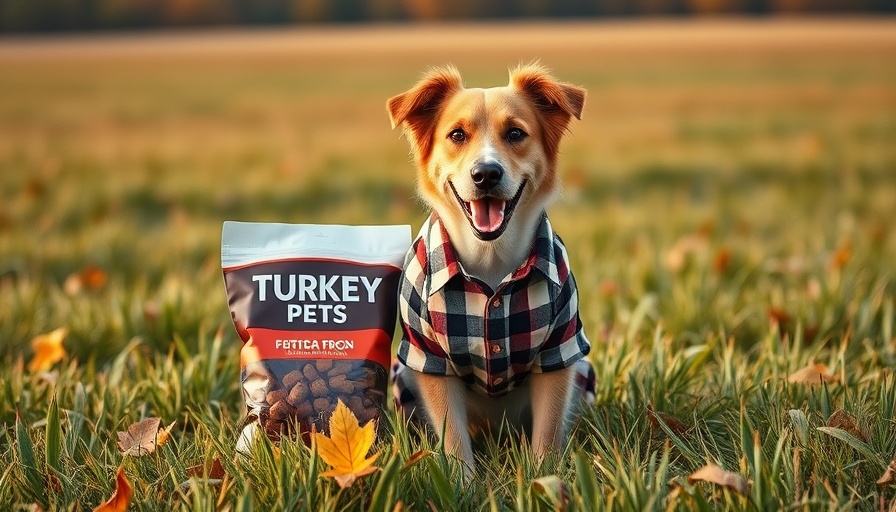
    Dog in a plaid shirt with Healthy Turkey Treats for Pets in a field.

    Thanksgiving Joy for Pets: Why Healthy Treats Matter

    As Thanksgiving approaches, it's a time for gratitude and family feasts. But for many pet owners, the holiday also poses a unique challenge: how to ensure their furry friends join in the festivities without compromising their health. With this in mind, creating healthy turkey treats for dogs and cats not only allows them to participate in the culinary joy but also helps maintain their well-being.

    Crafting Healthy Turkey Treats: Step-by-Step Guide

    Making delicious turkey treats at home is easier than you might think! Start with high-quality, lean turkey meat, ideally sourced from local suppliers. A simple recipe could include:

    • 1 pound of ground turkey
    • 1 cup of pumpkin puree (unsweetened)
    • 1/4 cup of oats
    • 1 tablespoon of parsley (fresh or dried)

    Mix these ingredients in a bowl, roll them into small bites or shape them into fun forms. Bake at 350°F for 25 minutes to achieve a perfect texture. Not only does this treat taste great, but it's also rich in nutrients like protein and fiber, beneficial for digestion and overall health.

    Why Nutrition Matters: Voices from the Experts

    Diving deeper into the importance of pet nutrition, veterinarians and pet nutritionists stress that holidays can introduce unhealthy temptations. "We often see an uptick in gastrointestinal issues and weight gain this time of year," says Dr. Molly Cooper, a local veterinarian and advocate for pet wellness. Giving your pets treats made from wholesome ingredients ensures they enjoy the holiday without the pitfalls of unhealthy snacks.

    Engaging Your Pets: Interactive Feast Tips

    Beyond treats, consider making the day interactive for your pets. Incorporate games or puzzles featuring turkey-flavored snacks—it's a fun way to bond and keep them mentally stimulated. Engaging their senses with aromas and textures can create a festive atmosphere, allowing dogs and cats to socialize comfortably with family members.

    Incorporating Healthy Treats into Holiday Gatherings

    As you prepare your Thanksgiving feast, remember that sharing is caring! Create a separate plate for your pets with their healthy turkey treats, allowing your family and friends to celebrate the holiday spirit together. It can be a wonderful opportunity to educate guests on pet nutrition, potentially sparking their interest in providing better treats at home.

    Local Co-Ops & Resources for Healthier Pet Products

    Support your community by sourcing ingredients from local farms or co-ops. Many pet food manufacturers are now focusing on organic and humane ingredients, providing excellent alternatives to traditional treats. By choosing local productions, pet accessory developers and advocates can foster better practices in the industry while strengthening community ties.

    A Lasting Impact: Verdant Catio Builders and Indoor Play

    For those with indoor pets, consider enhancing their experience with catios—outdoor cat patios that provide a safe space for exploration. Building these can create a vibrant environment even during the colder months, and incorporating elements like climbing trees and scratching posts can make their time outdoors more enjoyable.

    A Shared Celebration: Pet Grief Counselors and Emotional Wellness

    During holiday gatherings, it's also worthwhile to remember the emotional wellness of our pets. Pet grief counselors emphasize the importance of recognizing pets who may have lost their companions. By providing a safe and loving atmosphere, complete with treats and engaging play, we can help all pets feel included and cherished.

    Concluding Thoughts: Joining the Feast

    This Thanksgiving, as you reflect on what you are thankful for, don’t forget about the furry members of your family. Preparing healthy turkey treats and engaging activities, alongside a strong community support system, can foster a sense of love and shared joy. Whether you are a veterinarian, pet nutritionist, or a caring pet parent, let’s take this opportunity to celebrate our pets in a healthy and joyful way.

    By taking these steps and incorporating healthy practices into your feeding routines this Thanksgiving, you're setting a precedent for a supportive community that prioritizes the health and happiness of our beloved pets.

    Want to ensure your pet's nutrition is top-notch year-round? Engage with your local veterinarians and pet resource organizations to learn more! Let Thanksgiving inspire healthier choices for your furry friends!

    Pet Care

    Write A Comment

    *
    *
    Related Posts All Posts
    12.13.2025

    What Should You Do If Your Dog Eats Glass? Crucial Steps for Pet Owners

    Update Understanding the Emergency: What Happens When a Dog Eats Glass? In the blink of an eye, a broken glass object can turn into a nightmare for pet owners. When dogs ingest glass, the consequences can range from trivial to life-threatening, making it not merely a moment of panic but a potential medical emergency. As veterinarians, vet techs, and pet care professionals, understanding the risks and actionable steps in such scenarios is crucial to safeguarding canine health. Recognizing the Signs of Glass Ingestion The reaction of a dog who has ingested glass can vary widely based on the size and shape of the shards. Initially, the dog may show no apparent signs of distress, particularly if the shards are smooth and small. However, watch for critical symptoms such as: Excessive drooling Blood in saliva or vomit Coughing or gagging Abdominal pain or distension Refusal to eat or drink Bloody or dark stools These symptoms indicate a range of potential injuries, from minor oral lacerations to severe internal damage. Prompt recognition of these signs can be the difference between a swift recovery and a dire outcome. Immediate Actions for Pet Owners When a dog is suspected of ingesting glass, the first instinct might be panic, especially for the pet parent. However, it’s essential to remain calm. Here are crucial steps to follow: Do Not Induce Vomiting: Attempting to make the dog vomit can exacerbate any injuries caused by sharp glass edges. Instead, consult with a veterinarian. Inspect the Mouth: Carefully look inside the dog’s mouth for visible glass shards. It’s best to use tweezers or gauze; avoid your fingers to prevent injury. Keep Your Dog Calm: Stress can worsen the medical situation. Keep your dog as calm as possible while preparing to seek veterinary assistance. Contact a Veterinarian: Immediate consultation with a vet is crucial. They can provide tailored advice based on the situation. Taking these steps can help mitigate further injuries and prepare for immediate veterinary intervention. How Vets Diagnose and Treat Glass Ingestion Once at the veterinary clinic, several diagnostic techniques will determine the next steps. The first line of action is generally performing X-rays, providing a clear view of glass shards’ location and size within the dog’s gastrointestinal tract. From these results, veterinarians can recommend treatment options, which include: Observation: In cases with small, smooth glass pieces, vets may suggest allowing the glass to pass naturally. Endoscopic Removal: If the glass is lodged in the esophagus or stomach, endoscopic methods can safely retrieve these foreign objects. Surgery: Severe cases involving perforations will necessitate surgical intervention. Medical Management: Administering pain relief and supportive care is critical if the situation requires it. IV fluids may also be included to combat dehydration. Understanding veterinary protocols helps pet owners appreciate the full scope of care available and prepare for possible expenses, which can range greatly based on the severity of the ingestion. The Importance of Prevention Preventing glass ingestion is far easier than dealing with its consequences. Pet owners can adopt several strategies: Always supervise dogs, especially during walks. Secure broken glass immediately and dispose of it safely. Employ pet-proof containers for food and drinks. Training commands like 'leave it' can effectively reduce impulsive snacking on harmful objects. Being proactive leads to safer environments for dogs and strengthens owner-pet relationships. Final Thoughts: When Disaster Strikes While it can start as an ordinary day, incidents like glass ingestion serve as stark reminders of the unpredictability of pet ownership. For veterinarians, ensuring that pet owners recognize the urgency and seriousness of such situations fosters a safer environment for pets. Every pet parent should maintain communication with their local vet for emergencies and routine care. By knowing how to react when mishaps occur, pet owners can shield their beloved companions from further harm and ensure they lead healthier lives. Ensuring a relationship built on trust with a local veterinarian is essential to navigate these sometimes challenging situations. While these insights are vital, a more significant action remains: always consult a veterinary professional in emergencies. This plan will ultimately save your pet’s life.

    12.12.2025

    Unleash Joy: Discover This Week’s Dogster Photo Contest Winners!

    Update Celebrating Canine Charisma: The November 11, 2025 Photo Contest Winners The latest winners of the Dogster Photo Contest illuminate the unique personalities of our canine companions. Each dog featured not only boasts adorable traits but also brings touching stories that showcase the bond between dogs and their humans. Let's dive into this week's top dogs, sure to charm any pet lover. Meet this Week’s Winner: Beau-Wile-E This week, the coveted title goes to Beau-Wile-E, an Australian Cattle Dog/Red Heeler who has overcome tremendous adversity. Once bitten by a rattlesnake, Beau has faced many challenges, including a health struggle and a rough encounter with a stranger. Despite it all, he is described as “the most attentive and protective dog ever,” and embodies resilience and loyalty, a true testament to what our pets mean to us. The Rest of the Pack: Celebrating Diverse Personalities As we honor Beau, let’s also applaud the other extraordinary dogs in their respective categories: Most Expressive: Domino, a spirited Shih Tzu, proudly flaunts his joy as he explores the patio for the first time at just five months old. Silliest: Sylvester Stallone, a charming Yorkie mix known for his humorous antics that never fail to bring a smile. Most Dignified: Caper, whose love for treats is only matched by his penchant for lounging, perfectly captures the essence of relaxed sophistication. Cutest: Chester Field, a Mini Bernedoodle with a heartwarming disposition, once brought back a pear from the tree—his new buddy! Sleepiest: Bueller, the lapdog extraordinaire, enjoys snoozing while his human works. He even holds the title of unofficial mascot at a law school. Best Action Shot: Charlie, a King Charles Spaniel caught mid-action, proving that playfulness knows no bounds! Why Photo Contests Matter in the Pet Community These contests foster not only a spirit of camaraderie among pet owners but also elevate the visibility of pet welfare advocates and rescue organizations. The shared stories of triumph and companionship embody the essence of pet parenting, reminding us of the joy our four-legged friends bring into our lives. Each entry is a chance for pet owners to showcase unique quirks and fun facts about their furry companions. Encouraging Participation: How to Enter Your Dog Do you have a canine superstar at home? Participating in the Dogster Photo Contest is easy! Owners can submit their dog photos online and stand a chance to be featured in the community spotlight. Categories include Silliest, Cutest, Most Dignified, Most Expressive, Sleepiest, and Best Action Shot. Show us what your dog can do! Beyond Photos: Connecting Communities Through Pets For veterinarian professionals, trainers, and pet accessory developers, these dog showcases reveal customer engagement opportunities. Knowing what pet parents cherish, whether it’s a sense of humor or heartwarming stories, can aid tailors of products and services directed towards pet parental needs. Thus, while it may seem just a contest, it serves as a valuable resource for brands aiming to penetrate the pet care market. Final Thoughts: Join the Community Engaging with pet contests allows owners, trainers, groomers, and care professionals to embrace the positive impacts of sharing canine companionship. Sharing not only enhances your pet’s visibility and potential growth of community but also reinforces the ever-important bond between pets and their owners. Want to see your pup featured as a weekly winner? Click here to submit your dog and join the celebration of canine spirit!

    12.11.2025

    Gentle Training Techniques to Reduce Excessive Barking in Dogs

    Update Understanding Excessive Barking: What Every Pet Professional Should KnowBarking is a natural form of expression for dogs, serving as their primary means of communication. However, when barking becomes incessant, it may indicate underlying issues such as boredom, anxiety, or unmet needs. For veterinarians, trainers, and pet care professionals, recognizing the triggers behind excessive barking is crucial for facilitating effective behavioral changes. Identifying whether the barking stems from attention-seeking, fear, excitement, or loneliness can set the stage for tailored interventions.Why It's Essential to Address Barking BehaviorFor many pet caretakers, an abundance of barking can be frustrating. Pet nutritionists, groomers, and pet accessory developers must appreciate the impact of excessive vocalization on overall pet well-being. Beyond creating noise, incessant barking can lead to increased stress for the dog and disrupt harmony within homes. Addressing barking can create a calmer environment for both pets and their humans, thus improving the human-animal bond.Key Strategies for Resolving Excessive BarkingDrawing parallels with insights from experts, it's critical to approach barking behavior with compassion and understanding. Here are several effective strategies endorsed by veterinarians and trainers:1. Identify the TriggerUnderstanding the specific triggers can lead to more effective interventions. Assess whether barking is prompted by external stimuli, such as doorbells or passing dogs, or internal stressors related to separation anxiety.2. Reward QuietnessNoise can evolve into a means for dogs to gain attention. By ignoring barking and rewarding quiet periods, pet owners can teach dogs that silence is more beneficial than noise. This approach fosters self-control and reinforces positive behavior.3. Implement Calming TechniquesConstructing a comfortable, cozy space for dogs and employing calming aids like pheromone diffusers can significantly mitigate anxiety-induced barking. Creating boundaries during unfamiliar situations adds to the sense of security.Environment Management and Training CoordinationMany dogs thrive on social interaction and can become anxious when left alone for prolonged periods. For those in the pet care industry, recommending interactive toys and regular walks can help maintain balance. Professional trainers can collaborate with pet parents to ensure structured activities and enrichment to decrease boredom and restlessness.4. Facilitate Positive Social InteractionsGreeting visitors can trigger barking due to excitement or nervousness. Encourage pet parents to utilize barriers like baby gates during arrivals and instruct dog owners on inviting their dogs into safe greetings only after they have calmed down.5. Create Calmness through TrainingTraining commands, such as “quiet” or “go to your place,” can redirect behavior effectively. Practicing these techniques consistently empowers dogs to develop self-control, reinforcing the link between calmness and positive outcomes.The Broader Impact on Community and CareAdvocating for proper training methods and encouraging community support are essential roles for veterinarians, pet trainers, and rescue organizations. Engaging pet owners in crucial conversations about breed behavior and unique needs promotes empathy, ensuring that both pets and their guardians thrive.Conclusion: Moving Towards a Healthier RelationshipThe goal of addressing excessive barking is to deepen the pet-human relationship while enhancing the dog’s quality of life. As we advocate for understanding and supportive measures, professionals in the pet industry have the unique opportunity to create lasting change. By equipping pet owners with the right tools and knowledge, we align with our shared mission to enrich the lives of all pets. Let's encourage every dog owner to embrace these gentle, effective training methods and foster a deeper sense of well-being in their canine companions.

    Terms of Service

    Privacy Policy

    Core Modal Title

    Sorry, no results found

    You Might Find These Articles Interesting

    T
    Please Check Your Email
    We Will Be Following Up Shortly
    *
    *
    *