Add Row
Add Element
cropper
update

{COMPANY_NAME}

cropper
update
Add Element
    Add Element
    • update
    • update
    • update
    • update
    • update
    • update
    • update
    April 22.2025
    3 Minutes Read

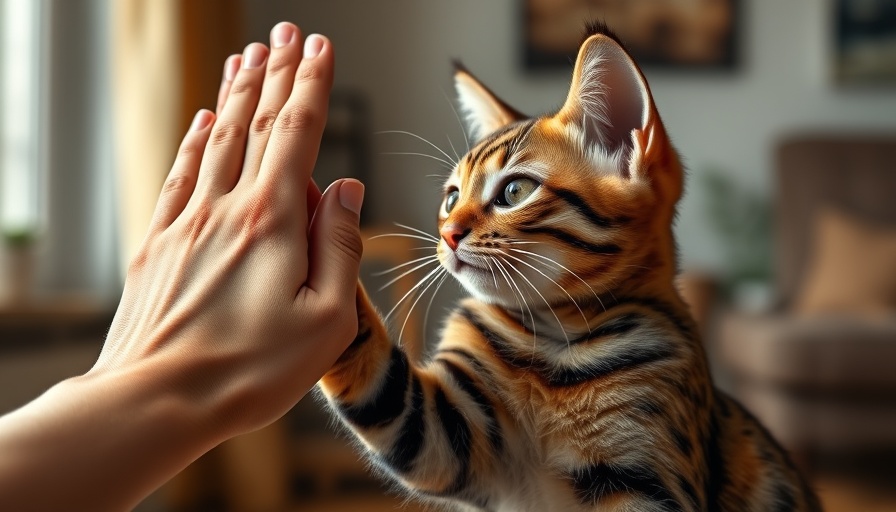
    Teach Your Cat to High-Five: A Fun Adventure for Pet Owners!

    Bengal cat high-fiving a human hand indoors.

    Unlocking the Secrets to a High-Fiving Feline

    Teaching your cat to high-five is not just a fun exercise—it fosters a unique bond between you and your feline companion while incorporating positive reinforcement techniques that can enhance your cat's mental and emotional health. While it’s often assumed that tricks are mainly for dogs, cats can also develop skills, making them more engaged and interactive household pets.

    The Joy of Training Cats: Understanding Your Feline Friend

    Training your cat to high-five requires patience and a good understanding of your cat’s personality. Unlike dogs, cats can be finicky, and their willingness to learn might hinge on their mood or comfort level. It's important to remember that the training process should be enjoyable for both you and your pet. Some common motivators, or reinforcers, can include:

    • Interactions: Positive affirmations, petting, and calm speaking can build trust.
    • Toys: Engage your cat with wands, balls, and other interactive toys during training.
    • Food Rewards: Healthy treats can be both an incentive and a form of bonding.

    Establishing a Connection: Markers and Timing

    Establishing clear training markers is essential for effective communication. This can be a clicker, a unique sound, or a verbal cue like “Yes!” when your cat performs the desired action. The timing of your training sessions is equally critical—aim for moments when your cat is alert and animated, perhaps after a play session or when they’ve just eaten. Training during these windows of opportunity can significantly increase the chances of success.

    Breaking Down the High-Five: A Step-by-Step Approach

    Now that you’ve created a welcoming environment and established markers, let’s dive into the steps to teach your cat to high-five:

    1. Show Your Hand: Begin by gently touching your cat's paw with your hand, saying “yes”, and offering a treat. This reinforces the behavior.
    2. Get Them Reaching: Present your hand a little further away each time. Gradually encourage your cat to tap your palm.
    3. Introduce the “High-Five” Command: Once your cat starts reaching for your hand consistently, introduce a verbal cue like “high-five” to cement the action with its name.
    4. Practice Makes Perfect: Regular sessions are key. Keep the sessions short but frequent to maintain your cat’s interest.

    Practices to Avoid: Not All Techniques Work

    While training can be an exciting venture, it's also important to be mindful of common pitfalls. Forcing a cat into a position can create stress and leads to reluctance during future training. Avoid frustration as a motivator, as that often leads to negative associations with training sessions. Instead, focus on positive interactions and keep your expectations realistic.

    The Emotional and Social Connection Through Trick Training

    Many pet professionals, including veterinarians and pet trainers, emphasize the importance of social bonding during training. When a cat learns tricks like high-fiving, it creates a dialogue between pet and owner that boosts confidence and trust. Such exercises can also benefit mental health, reducing stress for both pet and owner.

    Why You Should Start Training Today

    If you’re a vet technician, trainer, or pet advocate, understanding these techniques can enhance your communication with cats and their owners. By sharing the skills and benefits of cat training, you can empower pet parents to engage more richly with their companions. Resources for effective training techniques are plentiful, ranging from local rescue organizations to pet accessory developers who offer tools tailored to enhancing feline interactions.

    Final Thoughts: A Rewarding Journey Awaits

    Understanding how to teach your cat to high-five isn't just about teaching tricks—it's about developing a stronger bond, enhancing communication, and fostering an enjoyable experience. So grab those treats, follow the guidelines, and relish the joy of training your feline friend. With patience, practice, and a sprinkle of fun, you'll both be reaping the rewards in no time!

    Take Action: Start Your High-Five Journey Today!

    Why wait? Start your journey to teaching your cat this fun trick today, and explore the deeper connections that arise from engaging with your feline companion.

    Lifestyle

    0 Comments

    Write A Comment

    *
    *
    Related Posts All Posts
    02.24.2026

    Understanding Why Cats Chew on Wires and How to Keep Them Safe

    Update Understanding Why Cats Chew on Wires and How to Keep Them Safe It's not unusual to find your furry companion engaged in an unusual activity: gnawing on electrical wires. This behavior is particularly common among kittens and young cats, driven by their natural instincts and curiosity. For pet parents, this can be a cause for concern due to the potential dangers associated with chewing wires. But what drives this behavior, and what can you do to protect both your cat and your home? The Instinct Behind the Chewing As Dr. Paola Cuevas explains in her expert insights, chewing is a normal behavior for cats, especially in their juvenile and adolescent stages. For kittens like Cathy’s Binx, around six months old, the exploration often includes using their mouths. Electrical cords are attractive due to their resemblance to movement—akin to a thin, wriggling prey. This hunting instinct, combined with the teething phase that many kittens experience, makes cords particularly tempting targets. According to Dr. Hannah Hart from PetMD, chewing can also stem from boredom or anxiety, with young cats being more prone to this behavior. Providing a stimulating environment filled with appropriate chew toys can significantly reduce the likelihood of cord chewing. Effective Prevention Techniques To reduce the risk of your cat chewing on wires, prevention is key. Here are some tips to create a safer environment for your feline friend: Hide or Cover Cords: Use protective coverings or tubes to conceal electrical wires. For exposed cords, products such as the SunGrow Anti Chew Split Wire Cord Protector can be beneficial. Interactive Play: Engage your kitten with daily interactive play sessions. Toys that mimic prey—like feather wands—can satisfactorily channel their hunting instincts and expend excess energy, making them less likely to seek out dangerous items to chew. Chew Alternatives: Offer durable chew toys designed specifically for cats. Rubber-style dental toys can satisfy their chewing instinct without posing a risk. Bitter Deterrents: Consider applying a pet-safe bitter spray to cords. Cats tend to avoid tastes they find unpleasant, which can help deter them from chewing. The Consequences of Chewing While some may think of cord chewing as merely a nuisance, it carries serious health risks. Chewing can lead to electrical burns, potential electrocution, or gastrointestinal blockages from swallowed cord pieces. Cats less than two years old are particularly at risk, as highlighted by WebMD contributors. If you notice signs like burns around the mouth, excessive drooling, or changes in appetite, it is crucial to consult a veterinarian immediately. Such symptoms could indicate that your cat has bitten into an electrical wire, which necessitates urgent medical attention. The Role of Veterinary Guidance Veterinarians play an essential role in addressing behavioral issues and can assist in determining if underlying health problems contribute to chewing behavior. They might recommend behavioral training methods, routine check-ups, and may even prescribe calming supplements if anxiety is the issue. For pet professionals like veterinarians, vet techs, and trainers, understanding these dynamics will help guide pet parents in providing effective behavior modification strategies. Additionally, awareness of potential hazards will promote a safer home environment for all pets. Creating a Safe Space for Your Cat In conclusion, taking proactive steps to manage your cat’s chewing behavior can prevent injuries and ensure their safety. Creating a stimulating environment, offering safe chew alternatives, and consulting with your veterinarian are crucial in helping guide this natural instinct toward safer outlets. Remember, if your cat begins showing unusual signs after chewing on cords, don’t hesitate to reach out to your veterinary professional for guidance. Engaging with our feline friends meaningfully enhances their quality of life—and ours too! For more insights on feline health and behavior, don’t miss our weekly posts that delve into the intricacies of caring for your beloved pet.

    02.22.2026

    Why Cats Urinate on Furniture: Insights for Veterinarians and Pet Pros

    Update Understanding Why Cats Urinate Outside the Litter Box Inappropriate urination in cats is more than just a frustrating mess; it can be a significant indicator of stress or underlying health issues. An estimated 10% of cat owners have experienced this issue, which often leads to behavioral challenges that can strain the human-animal bond. Cats may pee on furniture or beds out of anxiety related to changes in their environment, physical discomfort, or even medical conditions. Understanding these triggers is critical for veterinarians and pet professionals to provide the best advice and support for concerned pet parents. Common Behavioral Triggers in Cats According to PetMD, numerous factors can lead a cat to urinate outside their litter box. Stressors may include: New family members (two-legged or four-legged) Construction in the home or neighborhood Changes in the household routine Veterinarians and technicians can guide pet owners on creating a more stable environment and offer support to manage any anxiety-related issues. Prevention strategies are vital, as they can empower pet parents to maintain emotional well-being in their felines. Health-Related Causes of Inappropriate Urination In addition to behavioral aspects, it's crucial to assess the animal’s health. Conditions like urinary tract infections (UTIs) and diabetes can lead to inappropriate elimination. Just Cats Clinic emphasizes the importance of a thorough veterinary examination to rule out medical concerns before implementing behavioral interventions. For instance, a cat suffering from a UTI may associate pain with their litter box and prefer to urinate on softer surfaces like beds or furniture instead. Finding the right diagnosis is key to addressing the issue effectively. Tackling the Problem: Practical Steps for Pet Professionals The first step towards helping a cat is engaging with its owners to gather information. It’s essential for veterinarians and trainers to educate pet parents about what might be causing their cat’s behaviors and guide them in taking action accordingly. Here are several practical steps that can be undertaken: Ensure an adequate number of litter boxes are available. A rule of thumb is one box per cat plus one extra. Keep litter boxes clean, as cats are generally fastidious animals that will avoid dirty litter. Consider the placement of litter boxes – they should be located in quiet areas, away from noise and activity. Experiment with different litter types, as some cats may prefer clumping or unscented varieties. Engagement with pet grief counselors and trainers can also aid in creating personalized strategies when circumstances change dramatically in a household. Consulting and Collaboration: The Role of Veterinary Professionals Veterinarians have a unique opportunity to collaborate with trainers, advocates, and pet accessory developers. Integrating insights from different sectors can foster comprehensive solutions tailored to each feline family. For example, calming products such as pheromone diffusers and behavior modification techniques can work synergistically to address stress-induced urination. Moreover, staying up-to-date with the latest research on effective therapies and diet can equip practitioners with better tools to aid in mitigating these concerning behaviors. Each small step taken by your veterinarian or vet tech can lead to better outcomes for both cats and their humans. Creating a Comfortable Environment for All Cats Cats thrive in environments that are stable and predictable. As part of a veterinarian's care strategy, it’s essential to encourage pet parents to foster a welcoming space. While solutions involve clean litter boxes and behavioral insights, the emotional connection between pet and owner plays a vital role in ensuring a cat feels secure in its home. The exploration of catios or safe outdoor spaces can also significantly impact a cat's overall happiness and reduce stress-induced behaviors. When approaching this topic, sharing resources about pet-friendly outdoor enrichment can help alleviate behavioral issues. Conclusion: A Holistic Approach to Cat Care Understanding why cats urinate outside their litter boxes involves viewing the issue through multiple lenses—health, behavior, and emotional welfare. As professionals in the field, combining knowledge and employing practical interventions can create a better quality of life for both cats and their human companions. Every pet parent deserves support, and as those involved in feline care, it’s our duty to provide empathetic guidance and actionable strategies. By addressing these underlying factors collectively, we pave the way for a healthier, happier feline society.

    02.21.2026

    Discover the Joys of Cat Naps: Enter Our Weekly Contest Now!

    Update Celebrating the Cutest Cat Naps: A Look at Our Weekly Contest As veterinarians and pet professionals, we’re always eager to learn how pets enrich the lives of their owners. Each week, Catster’s photo contest offers a glimpse into the charming world of our feline companions, and the recent theme “Napping Where I Shouldn’t” was no exception. This week, we saw a delightful array of unique napping spots that reflect the adorable quirks of cats and their human environments. Meet the Winners: Cats That Steal Hearts and Blankets Three outstanding entries captured our hearts this week. Firstly, we have Tony, a playful kitty who enjoys finding new napping places around the house, from quirky spots like crock pots to more conventional ones like his comfy cat house. His playful spirit brings joy to his family and exemplifies how pets can enrich our daily routines. Next, Riscas, an 18-year-old senior cat, finds solace in napping—a heartwarming reminder of care for older pets, emphasizing the importance of comfort in their twilight years. Lastly, we have Noah, who waits snugly under the covers for his owner—a touching example of the emotional bonds between pets and their humans. Engaging the Community Through Shared Love for Cats This contest not only celebrates exceptional pet moments but also engages a community of veterinarians, trainers, groomers, and pet advocates. The submissions serve as a reminder of the love and companionship that pets provide, which is crucial for mental health. By sharing these moments, we foster a sense of belonging and community action in promoting responsible pet ownership and advocating for rescue organizations. Inspiring Positive Change: The Power of Pet Representation Pet representation in contests like this encourages professionalism in the pet care industry. Advocating for high-quality products and services, veterinarians and pet food manufacturers can better meet the needs of various lifestyles. Followers of the contest receive regular updates and information that enrich their knowledge about pet health and responsible care, aligning perfectly with well-being and accessibility. Building Connections: The Benefits of Pet Community Events Participating in community activities such as photo contests builds rapport between professionals and pet parents, fostering relationships that lead to increased learning opportunities. Events like this emphasize the importance of fostering well-being and creating platforms for discussion about healthy living for pets. As pet grief counselors and nutritionists, sharing resources and insights from pet photos can inspire proactive coping strategies and enhance pet care practices. Don't Miss Out: Your Cat Could be Next! If your cat has a peculiar habit or an adorable napping spot, consider entering the weekly contest. This week’s theme is “My Cat’s Weirdest Habit.” Submitting a photo is easy and fun, plus it gives you the chance to showcase your cat’s unique personality. Every entry reinforces community ties and inspires discussions on the importance of holistic pet care. As health trends evolve, let’s embrace the charm of these quirky, lovable companions. Remember, every photo submitted serves not just as a celebration of pet personalities but as a bridge connecting various pet care professionals—building awareness and encouraging healthier lifestyles for both pets and their humans. This is an invitation to all veterinarians, trainers, and pet advocates: share your best pet moments and foster community well-being!

    Terms of Service

    Privacy Policy

    Core Modal Title

    Sorry, no results found

    You Might Find These Articles Interesting

    T
    Please Check Your Email
    We Will Be Following Up Shortly
    *
    *
    *