Add Row
Add Element
cropper
update

{COMPANY_NAME}

cropper
update
Add Element
    Add Element
    • update
    • update
    • update
    • update
    • update
    • update
    • update
    April 16.2025
    3 Minutes Read

    Navigating Heartworm Prevention: Choosing Between Advantage Multi and Heartgard Plus

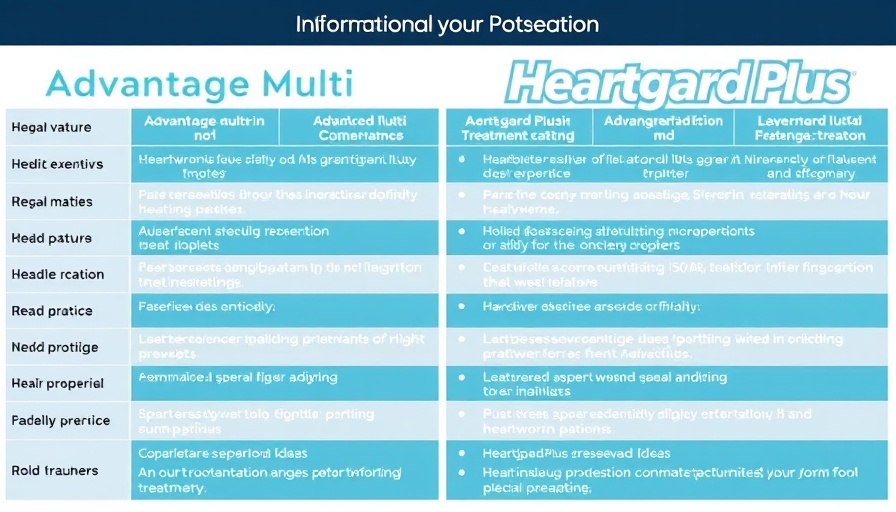
    Comparison chart of Heartworm Prevention Treatments: Advantage Multi vs Heartgard Plus

    Heartworm Awareness: A Vital Concern for Pet Owners

    When it comes to ensuring your canine companion’s safety against heartworms, selecting the right treatment is crucial. Heartworms, unlike fleas and ticks, are not visible to the naked eye and can be deadly if not treated in time. Pet parents must be aware of the available treatment options, as the wrong choice can have serious repercussions. This is where Advantage Multi and Heartgard Plus come into the picture, both being leading options for heartworm prevention.

    Understanding the Treatments: A Closer Look

    Before diving into the pros and cons of each treatment, it’s essential to understand what Advantage Multi and Heartgard Plus offer to our furry friends. Advantage Multi is a topical treatment that protects dogs and puppies against heartworm disease, primarily through two active ingredients: Imidacloprid and Moxidectin. It's comprehensive, targeting fleas and several types of worms while being easy to administer as a monthly topical solution.

    Conversely, Heartgard Plus is an oral treatment, presented as a palatable beef-flavored chewable. Its active components, Ivermectin and Pyrantel, prevent and eliminate heartworm larvae. Heartgard Plus is also effective against common intestinal worms, making it a convenient option for pet owners seeking a straightforward heartworm prevention method.

    Comparison of Key Features: Advantage Multi vs. Heartgard Plus

    Comparing the features of both treatments reveals how they cater to different needs:

    • Administration Type: Advantage Multi is suitable for those who prefer topical treatments, while Heartgard Plus is perfect for dogs that enjoy treats.
    • Age Restrictions: Heartgard Plus can be given to puppies from 6 weeks, whereas Advantage Multi is for pups at least 7 weeks old, providing flexible options for various ages.
    • Treatment Scope: While both treatments prevent heartworms, Advantage Multi also targets fleas, roundworms, hookworms, and whipworms, addressing a broader range of parasitic threats.
    • Safety Profile: Both are noted for their safety in breeding and pregnant dogs, making them family-friendly choices for multi-dog households.

    Making an Informed Choice: What to Consider

    Deciding between these two products can be daunting, especially when heartworm disease is involved. Here are some critical factors to help you make the right choice:

    • Your Dog's Preference: Some dogs may prefer the taste of chewables, while others may do better with a topical solution. Consider your dog's habits and preferences for administration when selecting a treatment.
    • Comprehensive Protection: If your pet is prone to flea infestations, Advantage Multi offers additional protection against these pesky parasites.
    • Consult with Professionals: This is where veterinarians and vet techs come in. Their professional insights can help you tailor your choice based on your dog’s breed, weight, and lifestyle.

    The Bigger Picture: Heartworm Awareness and Prevention

    A major part of pet ownership involves understanding the health implications of heartworm disease. Heartworm larvae pose a risk not only to pets but also create wider implications for local wildlife and domestic animals. This highlights the importance of ensuring all pets in your area are effectively treated, as heartworm can spread and impact multiple ecosystems.

    Conclusion: Empowering Pet Owners with Knowledge

    Ultimately, the choice between Advantage Multi and Heartgard Plus boils down to your pet's individual needs and preferences. By addressing these factors and consulting with veterinary professionals, you can make a decision that ensures the safety and well-being of your furry companions. Don’t hesitate to reach out to your vet for personalized advice! Knowledge is power in pet care, so equip yourself with the right information and ensure your puppy or dog remains safe from the threats of heartworms.

    Your Next Step Towards Responsible Pet Care

    As a proactive pet owner, take the time to evaluate your options when it comes to heartworm prevention. Educate fellow pet parents in your community about these critical treatments, ensuring that everyone is informed and prepared to make the right choices for their furry friends. By sharing knowledge, you contribute to a healthier, happier pet population!

    Pet Fashion & Accessories

    Write A Comment

    *
    *
    Related Posts All Posts
    11.14.2025

    Mastering Flea and Tick Control: Essential Strategies for Pet Safety

    Update Understanding Fleas and Ticks: A Comprehensive OverviewAs pet parents and caretakers, being informed about our furry companions' health is crucial. Fleas and ticks are not only nuisances but also harbingers of serious health risks for pets, causing skin irritations and transmitting diseases. Understanding their lifecycle is the first step toward effective control and prevention. Flea lifecycles consist of four stages: egg, larva, pupa, and adult. A single female flea lays 40 to 800 eggs after a blood meal, with these eggs hatching in as little as two days under optimal conditions. Likewise, ticks undergo similar phases, creating numerous opportunities for infestations that pet owners must vigilantly guard against.Strategies to Disrupt Flea and Tick Life CyclesEffective flea and tick control goes beyond simply treating your pets; it encompasses a multi-faceted approach that requires diligence. Employing year-round preventatives is essential, as it not only targets adult fleas and ticks but also cuts the lifecycle short by eliminating immature stages. Products like topical treatments and oral medications provide varying levels of effectiveness.Regular vacuuming of carpets, furniture, and pet bedding serves a critical function in disrupting flea and tick development. This activity dislodges eggs and larvae, ensuring they don’t progress to adulthood. Washing pet bedding in hot water regularly, using a pet-safe disinfectant, kills any hidden larvae and further prevents re-infestation. The Importance of Monitoring Your PetsClose monitoring of your pets is paramount, especially after outdoor activities. Daily checks for fleas and ticks can make a significant difference. Signs of an infestation, such as excessive scratching, can be indicative of the need for immediate action. Your veterinarian can provide tailored advice to help in recognizing these signs and respond appropriately.Environmental Control: Both Inside and OutsideFleas and ticks thrive in specific environments. Keeping your yard well-maintained—mowing lawns and removing debris—can contribute significantly to controlling these pests at their source. Inside the home, maintaining cleanliness is equally important, as it sets the stage for a flea and tick-free environment.Professional Assistance and ResourcesDon’t hesitate to consult with veterinarians or pet professionals. They can offer insight into effective treatments tailored to your pet's specific needs. Understanding the right products available, from topical solutions to flea and tick collars, is essential. They ensure that your furry friend is safeguarded against these pests while considering their unique health profile.Conclusion: Your Active Role in Pet HealthIn conclusion, successfully breaking the flea and tick lifecycle is an attainable goal. By combining effective products with stringent cleaning routines and vigilant monitoring, you'll not only protect your pet but also enhance their quality of life. The fight against fleas and ticks requires commitment, but the rewards—happy, healthy pets—are worth it. Remember to reach out to fellow pet care professionals or your local veterinarian for advice tailored to your unique circumstances.

    11.13.2025

    Heartworm Prevention is Essential for Dog Health: Discover Effective Treatments

    Update Understanding the Dangers of Heartworm Disease Heartworm disease poses a significant threat to our furry companions, and understanding its risks is crucial. This disease is caused by the parasitic worm Dirofilaria immitis, which is transmitted through the bites of infected mosquitoes. Once the larvae enter a dog’s bloodstream, they can grow into adult worms, leading to severe health issues, including heart failure and other life-threatening conditions. The silent nature of the disease makes it particularly insidious; symptoms can remain undetected for many months, during which time irreversible damage may occur. For veterinarians, vet techs, and pet care professionals, educating pet owners about the importance of regular heartworm prevention is vital. Why Heartworm Prevention is Critical Preventing heartworm disease is not just about keeping pets healthy; it’s also about saving pet owners from the hefty financial burden that comes with treatment. Costs associated with heartworm treatment can be exorbitant, often involving multiple veterinary visits and a lengthy recovery period for the animal. In fact, studies show that treatment can range from $500 to $3,000, while preventative measures are significantly cheaper. This makes prevention not only a healthier choice but also a financially prudent one. Top Heartworm Prevention Treatments for Dogs There are several heartworm prevention options available, each with its own benefits and considerations. Here, we outline some popular choices among veterinarians: Heartgard Plus: An easily digestible chew that prevents heartworm while also treating intestinal worms like roundworms and hookworms. Valuheart: Affordable and effective, Valuheart eliminates heartworm larvae and is suitable for dogs as young as six weeks. Interceptor Plus: Known for its broad-spectrum protection against multiple parasites, making it a versatile choice for pet owners. Revolution: This topical treatment protects against various parasites, from fleas to heartworms, and is safe for lactating dogs. Sentinel: An oral tablet that combines flea control with heartworm prevention, making it a multi-tasking option for pet care. Proactive Measures for Heartworm Prevention Beyond medication, there are practical strategies pet owners can adopt to further minimize the risk of heartworm infestation. Maintaining a mosquito-free environment is essential. This includes eliminating standing water, where mosquitoes breed, and using mosquito nets or repellents where applicable. In addition, regular veterinary check-ups for heartworm testing and timely administration of prescribed medications are key to ensuring long-term protection. Future Trends in Heartworm Prevention As awareness of heartworm disease continues to grow, innovations in prevention methods are emerging. Pet food manufacturers are exploring ways to integrate heartworm prevention into diets, potentially offering long-term protection with daily meals. Furthermore, advances in veterinary medicine are leading to more effective, convenient prevention options that can greatly improve pet health and owner compliance. Encouraging Community Awareness As veterinarians and pet advocates, fostering a community understanding of heartworm prevention is crucial. Organizations, rescue groups, and pet care professionals must collaborate to create educational programs that inform pet owners about the dangers of heartworm disease and the necessity of proactive prevention. Engaging pet parents through workshops, social media campaigns, and community events promotes shared knowledge and responsibility. To ensure our pets remain protected against heartworm, it’s essential that we not only advocate for preventive treatments but also educate pet owners about the impact and importance of these measures. Empowerment through knowledge allows for healthier, happier lives for our furry friends.

    11.11.2025

    Unlock the Secrets of Year-Round Flea and Tick Prevention for Pets

    Update Why Year-Round Flea and Tick Prevention Matters The necessity of flea and tick control cannot be overstated. These parasites are not just a nuisance; they pose serious health risks to your pets and your family. Fleas can lead to conditions like flea allergy dermatitis and even tapeworm infections, while ticks are notorious vectors for diseases such as Lyme disease and Rocky Mountain spotted fever. Seasonal approaches to parasite control often leave gaps in protection, leaving pets vulnerable to infestations at any time of year. This is why a year-round preventive strategy is essential for maintaining your pet's health. Essential Dos for Effective Flea and Tick Control As you navigate the world of flea and tick prevention, certain strategies are critical for success. First, always select products that align with your pet’s specific needs. Ensure the product is suitable for your pet’s weight and health conditions, especially if your furry friend has sensitivities or pre-existing health issues. Consulting with a veterinarian is invaluable in this regard; they can recommend specialized products that best suit your pet’s lifestyle. Regularly check your pets for ticks, especially in areas known for tick infestation, and maintain a consistent schedule for monthly treatments. Staying vigilant is key to managing these annoying pests effectively. The Don’ts: Pitfalls to Avoid with Flea and Tick Preventives While there are many best practices to follow, there are also significant mistakes to avoid. Never administer products designed for one type of animal to another, as this can have toxic effects. Also, don’t skip doses or fall victim to the misconception that flea and tick control isn't necessary during the colder months. These parasites can survive inside homes and can lead to outbreaks if not properly managed. Resorting to unverified home remedies can be another trap; without veterinary approval, many of these may be both ineffective and harmful. Choosing the Right Products: Key Factors When it comes to selecting the right flea and tick preventive for your pet, thorough research is essential. Consult with your veterinarian about the most effective products based on your pet’s age, weight, lifestyle, and any existing health conditions. There are various types of treatments—topical, oral, collars, and more—and understanding their advantages and limitations can help you make an informed choice. Aim for products with proven efficacy while considering your pet's comfort and convenience. Seasonal Awareness: Fleas and Ticks Are Active Year-Round Many assume that flea and tick infestations peak in the warmer months, but it's crucial to understand that they can remain active even in cooler temperatures. For instance, ticks can thrive in environments as cool as 40°F, and fleas can lay dormant in carpets and bedding during winter months. Therefore, maintaining a year-round prevention strategy is vital for safeguarding your pet’s health. Conquering Common Misconceptions When considering flea and tick prevention, various myths abound that could jeopardize your pet’s health. A significant misconception is that indoor pets do not need any preventive measures—a dangerous assumption considering that fleas, ticks, and other parasites can easily hitch a ride indoors on clothing or other pets. Moreover, the idea that natural remedies are always sufficient can lead to inadequate protection. It’s essential to prioritize veterinarian-approved products designed to offer targeted and effective protection. Effective Techniques for Ongoing Prevention Staying proactive in flea and tick control involves employing effective techniques. Regular vet consultations will help ensure your prevention methods remain optimal as seasons change. Create a reminder system to ensure treatments are given on schedule, and keep a written record of application dates and products used. Remember, consistency is key to deter parasites effectively. In conclusion, ensuring that your pets are protected through year-round flea and tick control is paramount to their health. By following the dos and don’ts outlined above and consulting with your veterinarian regularly, you can create a safe and comfortable environment for your pets, free from the pests that threaten their well-being. Taking action today not only safeguards your furry companions but also protects your family and home.

    Terms of Service

    Privacy Policy

    Core Modal Title

    Sorry, no results found

    You Might Find These Articles Interesting

    T
    Please Check Your Email
    We Will Be Following Up Shortly
    *
    *
    *