Add Row
Add Element
cropper
update

{COMPANY_NAME}

cropper
update
Add Element
    Add Element
    • update
    • update
    • update
    • update
    • update
    • update
    • update
    July 31.2025
    3 Minutes Read

    Keep Your Cat Safe: Comprehensive Strategies for Flea Prevention and Treatment

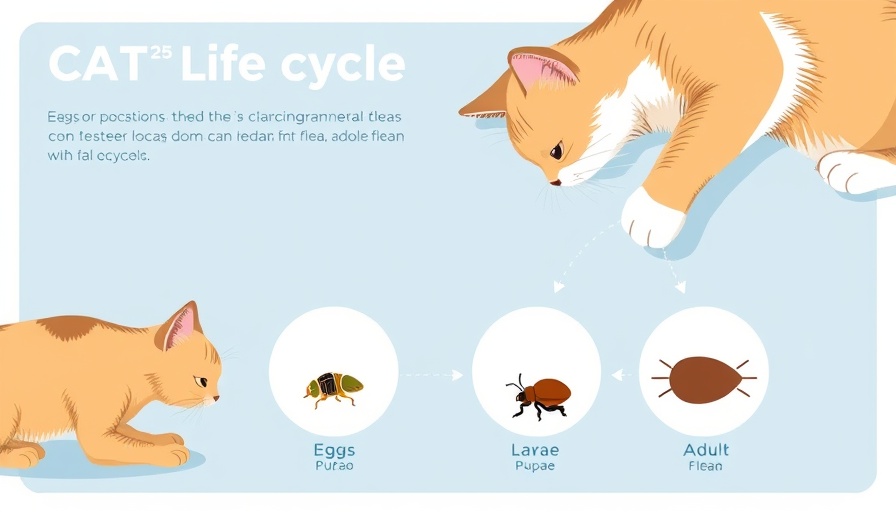
    Flea prevention and treatment in cats: life cycle diagram.

    The Importance of Flea Prevention in Your Cat's Life

    Fleas are more than just a nuisance; they pose a significant health risk to our beloved feline companions. Understanding the implications of a flea infestation is crucial for every pet owner. Cats, often named 'furry family members', deserve all the protection and care we can provide. By implementing effective flea prevention strategies, you ensure that your cat remains healthy, happy, and free from distress caused by these tiny yet troublesome pests.

    Understanding Fleas: A Hidden Danger

    Fleas are small, blood-sucking parasites that thrive in warm, humid environments. They can jump onto cats and dogs, exploiting them as hosts to breed and multiply, laying hundreds of eggs in a short time. Fleas are more than just pests; they are vectors of various diseases, making it essential for pet owners to be aware of how fleas infest and affect their pets. Common signs of fleas include incessant scratching, hair loss, and skin infections, which can indicate a lightweight infestation.

    Social Connection and the Value of Flea Treatments

    Veterinarians and techs, pet nutritionists, and even pet accessory developers play a pivotal role in addressing flea issues within our communities. Education is key—by increasing awareness of flea prevention, we foster healthier households. Our pets’ well-being is interconnected with their environment and the resources we provide. Ensuring that we not only treat but also prevent flea infestations creates a supportive atmosphere for pet parents and their animals.

    Diseases Linked to Flea Infestations: Understanding the Risks

    Learning about the potential diseases caused by fleas is critical in emphasizing the importance of flea control. Fleas can transfer fleas, which lead to more severe health issues such as:

    • Flea Allergy Dermatitis (FAD): This allergic reaction results in discomfort and sometimes severe skin issues, making it imperative to keep flea populations under control.
    • Tapeworm Infestation: Fleas carry tapeworm larvae. When cats ingest infected fleas during grooming, they may develop an intestinal infection.
    • Bartonellosis: Often asymptomatic, this disease can cause health issues in cats, particularly if they have compromised immune systems.

    Future Insights and Trends in Flea Treatments

    The veterinary industry continues to evolve, leading to innovative treatments and preventative measures against fleas. Advances in flea control, such as biodegradable topical treatments and oral medications, are making it easier for pet owners to protect their cats. Additionally, education campaigns from rescue organizations and advocates highlight the necessity of proper flea management, guiding responsible pet ownership.

    Common Misconceptions and Myths

    It is a common myth that fleas are only a problem in the summer months. In reality, fleas thrive indoors all year long. Understanding this can help pet parents adjust their preventative strategies accordingly. There’s also a misbelief that only outdoor cats get fleas. In actuality, indoor cats are just as vulnerable due to the many potential sources of flea exposure.

    Practical Insights for Proactive Flea Management

    To ensure effective flea control, it’s essential for pet owners to engage regularly with their veterinarians. Routine check-ups, along with consistent flea treatments, will significantly reduce the risk of infestation. Here are a few practical tips to consider:

    • Implement preventive medications before flea season begins.
    • Regularly bathe and groom your cats with flea shampoos and combs to keep infestations minimal.
    • Keep your living environment clean—wash bedding, vacuum regularly, and treat your home when necessary.

    Conclusion: Prioritizing Our Cats’ Health

    In conclusion, preventing flea infestations in cats is fundamental to ensuring their overall health and happiness. As pet owners, guardians of our furry friends, it is essential we prioritize flea prevention with compassion and care. Our role in creating a safe environment for them is critical; it reduces the risks associated with fleas and contributes positively to their quality of life.

    If you’re a pet professional—whether a trainer, groomer, or nutritionist—consider connecting with local shelters to promote flea education and resources for both pet parents and fellow advocates. Together, we can create a community dedicated to the well-being of all pets.

    Pet Fashion & Accessories

    Write A Comment

    *
    *
    Related Posts All Posts
    12.11.2025

    Protect Your Dog This Winter: Essential Insights on Hypothermia and Frostbite

    Update Understanding the Chill: Hypothermia and Frostbite in DogsWinter is a magical season. The snow blankets the earth, creating beautiful scenes perfect for canine companions and their owners to enjoy together. However, the frigid temperatures can pose serious health risks for dogs. Two of the most critical conditions to be aware of are hypothermia and frostbite. As responsible dog parents, knowing how to identify, prevent, and respond to these dangers can ensure your furry friend remains happy and healthy all winter long.What Is Hypothermia and Its Symptoms?Hypothermia occurs when a dog's body temperature drops below the normal range (below 37°C or 98.6°F). This dangerous condition can impair organ function, leading to severe health consequences. It's important to recognize the symptoms early. Common signs include excessive shivering, cold extremities, pale gums, lethargy, and muscle stiffness. In severe cases, dogs may lose consciousness. Prolonged exposure to cold, wet conditions or shock can cause hypothermia, underscoring the necessity of promptly bringing your pet indoors after outdoor adventures.Tactical First Aid: Responding to HypothermiaIf you suspect your dog is experiencing hypothermia, follow these dos and don'ts:Do: Get your dog indoors immediately. Monitor their temperature closely.Do: Gradually warm their body using blankets or a warm (not hot) water bottle wrapped in a towel.Don't: Use direct heat on the skin, as this could cause burns or shock.Contact your veterinarian if symptoms persist; they can help monitor for potential long-term effects on your dog's health.Understanding Frostbite: A Localized DangerUnlike hypothermia, frostbite occurs when specific areas of a dog's skin and tissues freeze due to extended exposure to freezing temperatures. Commonly affected areas include the ears, nose, paws, and tail. Symptoms develop gradually, often unnoticed at first. Look for pale, gray, or blackened skin, swelling, and blisters. If your dog starts licking these areas, it may indicate pain.Immediate Action: Responding to FrostbiteInitial first aid for frostbite is crucial. The steps are similar to those for hypothermia, with a few adjustments:Do: Move your dog indoors and soak the affected area in lukewarm water for 15-20 minutes.Don't: Rub or massage the frostbitten area, as this can worsen tissue damage.Again, immediately seek assistance from your veterinarian to assess any potential tissue damage.Key Differences Between Hypothermia and FrostbiteWhile both conditions stem from cold exposure, their impact differs significantly. Hypothermia is a systemic issue affecting the entire body, while frostbite is localized and primarily impacts extremities. Moreover, dogs suffering from frostbite are often also experiencing hypothermia due to prolonged cold exposure.Prudence is key in winter care for our pets. As advocates, trainers, pet nutritionists, and veterinarians, it is crucial to educate owners on these dangers. Limiting outdoor playtime and ensuring warm, dry shelter can drastically reduce the risk of these conditions.Empowering Pet Parents: Practical TipsHere are some actionable tips to help keep your dog safe this winter:Consider investing in winter pet gear, such as boots and jackets, especially for short-haired breeds.Limit outdoor time within the 20-30 minutes range during cold weather.Create a warm area for your dog outside, if they must stay there for any time, equipped with a heated bed and protection from the wind.Connecting as Community: A Unified Approach to Pet SafetyCreating awareness about hypothermia and frostbite reinforces community bonds among dog parents, trainers, advocates, and veterinary professionals. Sharing knowledge not only helps our furry friends stay safe but also enriches our interactions with fellow enthusiasts who share the same goal—keeping pets healthy and thriving during winter.Call to Action: Be the Advocate Your Dog NeedsAs the winter months roll in, be proactive about your dog's safety. Take a moment to share this information with fellow pet owners, and ensure your community is informed and prepared to keep their pets warm and healthy. Understanding hypothermia and frostbite is not just beneficial for one dog, but can save many others, reinforcing the value of pet parent connection.

    11.14.2025

    Mastering Flea and Tick Control: Essential Strategies for Pet Safety

    Update Understanding Fleas and Ticks: A Comprehensive OverviewAs pet parents and caretakers, being informed about our furry companions' health is crucial. Fleas and ticks are not only nuisances but also harbingers of serious health risks for pets, causing skin irritations and transmitting diseases. Understanding their lifecycle is the first step toward effective control and prevention. Flea lifecycles consist of four stages: egg, larva, pupa, and adult. A single female flea lays 40 to 800 eggs after a blood meal, with these eggs hatching in as little as two days under optimal conditions. Likewise, ticks undergo similar phases, creating numerous opportunities for infestations that pet owners must vigilantly guard against.Strategies to Disrupt Flea and Tick Life CyclesEffective flea and tick control goes beyond simply treating your pets; it encompasses a multi-faceted approach that requires diligence. Employing year-round preventatives is essential, as it not only targets adult fleas and ticks but also cuts the lifecycle short by eliminating immature stages. Products like topical treatments and oral medications provide varying levels of effectiveness.Regular vacuuming of carpets, furniture, and pet bedding serves a critical function in disrupting flea and tick development. This activity dislodges eggs and larvae, ensuring they don’t progress to adulthood. Washing pet bedding in hot water regularly, using a pet-safe disinfectant, kills any hidden larvae and further prevents re-infestation. The Importance of Monitoring Your PetsClose monitoring of your pets is paramount, especially after outdoor activities. Daily checks for fleas and ticks can make a significant difference. Signs of an infestation, such as excessive scratching, can be indicative of the need for immediate action. Your veterinarian can provide tailored advice to help in recognizing these signs and respond appropriately.Environmental Control: Both Inside and OutsideFleas and ticks thrive in specific environments. Keeping your yard well-maintained—mowing lawns and removing debris—can contribute significantly to controlling these pests at their source. Inside the home, maintaining cleanliness is equally important, as it sets the stage for a flea and tick-free environment.Professional Assistance and ResourcesDon’t hesitate to consult with veterinarians or pet professionals. They can offer insight into effective treatments tailored to your pet's specific needs. Understanding the right products available, from topical solutions to flea and tick collars, is essential. They ensure that your furry friend is safeguarded against these pests while considering their unique health profile.Conclusion: Your Active Role in Pet HealthIn conclusion, successfully breaking the flea and tick lifecycle is an attainable goal. By combining effective products with stringent cleaning routines and vigilant monitoring, you'll not only protect your pet but also enhance their quality of life. The fight against fleas and ticks requires commitment, but the rewards—happy, healthy pets—are worth it. Remember to reach out to fellow pet care professionals or your local veterinarian for advice tailored to your unique circumstances.

    11.13.2025

    Heartworm Prevention is Essential for Dog Health: Discover Effective Treatments

    Update Understanding the Dangers of Heartworm Disease Heartworm disease poses a significant threat to our furry companions, and understanding its risks is crucial. This disease is caused by the parasitic worm Dirofilaria immitis, which is transmitted through the bites of infected mosquitoes. Once the larvae enter a dog’s bloodstream, they can grow into adult worms, leading to severe health issues, including heart failure and other life-threatening conditions. The silent nature of the disease makes it particularly insidious; symptoms can remain undetected for many months, during which time irreversible damage may occur. For veterinarians, vet techs, and pet care professionals, educating pet owners about the importance of regular heartworm prevention is vital. Why Heartworm Prevention is Critical Preventing heartworm disease is not just about keeping pets healthy; it’s also about saving pet owners from the hefty financial burden that comes with treatment. Costs associated with heartworm treatment can be exorbitant, often involving multiple veterinary visits and a lengthy recovery period for the animal. In fact, studies show that treatment can range from $500 to $3,000, while preventative measures are significantly cheaper. This makes prevention not only a healthier choice but also a financially prudent one. Top Heartworm Prevention Treatments for Dogs There are several heartworm prevention options available, each with its own benefits and considerations. Here, we outline some popular choices among veterinarians: Heartgard Plus: An easily digestible chew that prevents heartworm while also treating intestinal worms like roundworms and hookworms. Valuheart: Affordable and effective, Valuheart eliminates heartworm larvae and is suitable for dogs as young as six weeks. Interceptor Plus: Known for its broad-spectrum protection against multiple parasites, making it a versatile choice for pet owners. Revolution: This topical treatment protects against various parasites, from fleas to heartworms, and is safe for lactating dogs. Sentinel: An oral tablet that combines flea control with heartworm prevention, making it a multi-tasking option for pet care. Proactive Measures for Heartworm Prevention Beyond medication, there are practical strategies pet owners can adopt to further minimize the risk of heartworm infestation. Maintaining a mosquito-free environment is essential. This includes eliminating standing water, where mosquitoes breed, and using mosquito nets or repellents where applicable. In addition, regular veterinary check-ups for heartworm testing and timely administration of prescribed medications are key to ensuring long-term protection. Future Trends in Heartworm Prevention As awareness of heartworm disease continues to grow, innovations in prevention methods are emerging. Pet food manufacturers are exploring ways to integrate heartworm prevention into diets, potentially offering long-term protection with daily meals. Furthermore, advances in veterinary medicine are leading to more effective, convenient prevention options that can greatly improve pet health and owner compliance. Encouraging Community Awareness As veterinarians and pet advocates, fostering a community understanding of heartworm prevention is crucial. Organizations, rescue groups, and pet care professionals must collaborate to create educational programs that inform pet owners about the dangers of heartworm disease and the necessity of proactive prevention. Engaging pet parents through workshops, social media campaigns, and community events promotes shared knowledge and responsibility. To ensure our pets remain protected against heartworm, it’s essential that we not only advocate for preventive treatments but also educate pet owners about the impact and importance of these measures. Empowerment through knowledge allows for healthier, happier lives for our furry friends.

    Terms of Service

    Privacy Policy

    Core Modal Title

    Sorry, no results found

    You Might Find These Articles Interesting

    T
    Please Check Your Email
    We Will Be Following Up Shortly
    *
    *
    *