Add Row
Add Element
cropper
update

{COMPANY_NAME}

cropper
update
Add Element
    Add Element
    • update
    • update
    • update
    • update
    • update
    • update
    • update
    July 09.2025
    3 Minutes Read

    How You Can Protect Your Cat from Heat Stress This Summer

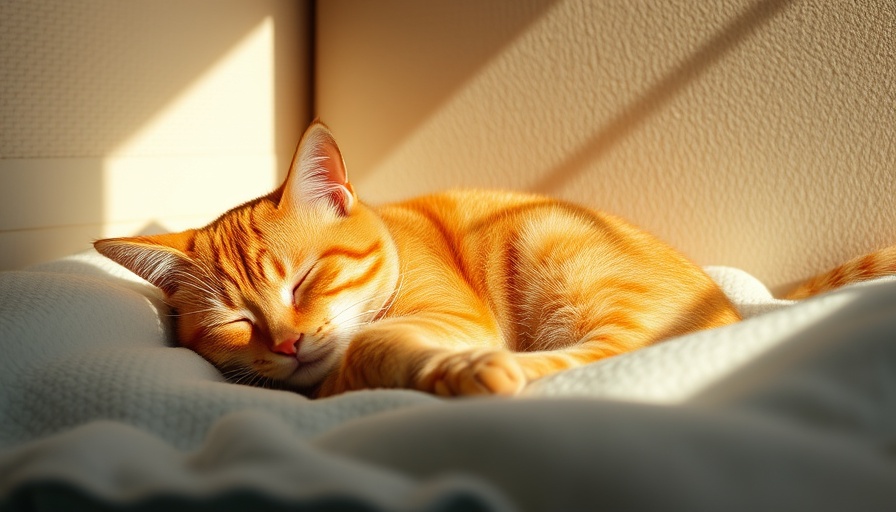
    Sleeping orange cat basking in sunlight on a blanket, How Hot Is Too Hot for a Cat.

    Understanding Feline Heat Stress

    The summer months can turn into a perilous time for our feline companions as they navigate rising temperatures. With their average body temperature hovering between 100.4 and 102.5 degrees Fahrenheit, it is critical for cat owners to understand the potential dangers of heat exposure. If temperatures rise to 102.5 degrees or higher, veterinary intervention is needed. At 105 degrees, severe health risks like heatstroke can emerge, putting your pet in danger.

    Signs That Your Cat May Be Overheating

    Identifying heatstroke in cats can be challenging. Unlike dogs, cats do not pant as their primary means of cooling down. Instead, they rely on sweating through their paw pads and regulating their body temperature with grooming—spreading saliva to cool their fur. Observe signs like excessive panting, lethargy, or disorientation, which may indicate that your cat is overheated. If these symptoms arise, consult a veterinarian immediately. Luckily, platforms like PangoVet offer convenient online consultations to ensure your pet receives the best care possible.

    Preventing Heat Stress: Practical Tips for Pet Parents

    One of the most effective ways to safeguard your cat during the sweltering summer season is to maintain an optimal indoor temperature. Aim to keep your home cool using air conditioning or fans, and be mindful of sunny spots that may heat up throughout the day. Providing plenty of fresh water and creating shaded areas can also aid in cooling your cat off. When letting your cat outside, monitor the time spent in the sun, and allow them access to cooler zones.

    How to Recognize Heatstroke in Cats

    Another approach to ensuring your cat’s well-being is closely watching their behavior. Common signs of heatstroke include rapid heartbeat, vomiting, and restlessness. If you observe these symptoms, it’s imperative to reduce their temperature gradually by moving them to a cooler environment and offering water. A visit to the veterinarian may still be necessary to rule out underlying complications.

    The Importance of Education in Cat Care

    As someone involved in feline health—whether as a veterinarian, trainer, or pet food manufacturer—understanding these heat-related issues is vital. By educating ourselves and others, we can nurture a community that prioritizes the safety of our furry friends. Creating resources and awareness around summer heat safety can benefit not just individual pets, but the wider network of cat owners and advocates.

    Future Predictions for Pet Care in Extreme Weather

    As climate change continues to influence weather patterns, we can expect hotter summers and more extreme weather conditions. As professionals in the field, staying informed and adaptable will be crucial. Newer products, like sophisticated cooling mats or pet hydration systems, will likely gain popularity, offering optimal care solutions. Tracking these innovations could offer significant advantages to those seeking proactive measures to combat rising temperatures.

    Taking Action for Your Cat’s Safety

    The health and safety of our pets primarily lies in our hands. For pet parents, it means taking the time to ensure our living spaces are conducive to comfort and security. Explore strategies through collaborations with grooming experts, trainers, and accessory developers to create a more pet-friendly environment. Regular check-ins with your vet can also ensure that your pet is thriving, even in summer heat.

    Ultimately, you are the best advocate for your cat’s wellbeing. Make a commitment today to implement these summer safety tips and stay informed about heat-related concerns. If you feel unsure, don’t hesitate to contact a vet online for advice on how to keep your beloved feline cool this summer; it's a simple step that can make all the difference.

    Lifestyle

    0 Comments

    Write A Comment

    *
    *
    Related Posts All Posts
    03.06.2026

    Unleash the Fun: Catster’s Photo Contest Highlights Bizarre Sleeping Positions

    Update Celebrating Unique Cat Personalities Through the Lens of Sleep In the whimsical world of felines, few sights are as endearing as a cat caught in a peculiar sleeping position. Catster's Weekly Photo Contest provides a platform for showcasing these moments, bringing pet parents together to share in the joys of their furry companions. This week, the contest theme was “Impossible Sleeping Positions,” and the winning photos certainly did not disappoint! From sprawled-out tabbies to curled-up Siamese, each photograph captured a unique personality, showcasing the charm and quirkiness that makes cats so beloved. A Closer Look at the Winners Let’s meet the stars of this week's contest, each representing the delightful unpredictability of cat behavior: Muna: A favorite amongst her family, Muna's preferred position is an outright stretch across the couch, eliciting laughter and love from everyone in the room. Riscas: This seasoned sleeper adores resting on his deck couch, finding the perfect balance of sunshine and companionship. Coco: Instagram sensation @Metta11, Coco loves to turn herself upside down for a nap, often seen nestled in anything that resembles a cozy hideaway. Why Sleep Matters for Cats Sleep is crucial for a cat's health and well-being, often taking up about 70% of their day. Understanding the importance of safe sleeping environments encourages pet parents to create spaces where their cats feel secure. As veterinarians and pet nutritionists know, a cat's sleeping patterns can also indicate its overall health. If a normally active cat suddenly begins to sleep more or shows signs of discomfort in various positions, it's essential to seek professional advice. Encouraging Community Engagement Through Photo Contests The success of Catster’s contests lies not only in the charming imagery but also in the inspiration they provide to pet parents across the globe. Engaging in themed photo submissions fosters a sense of community among cat lovers. Each entry tells a story — whether it's about a rescue cat finding comfort or a quirky habit that illustrates a cat's personality. In fact, as highlighted by Love Meow, such contests do more than just spotlight winners. They serve as a reminder of the endless possibilities within pet ownership and the myriad of moments that create lasting memories. Looking Ahead: Next Week's Theme Excited about the outcomes of this week’s contest? Get ready for the next theme: “The Judgemental Stare.” This topic promises to bring even more humorous and relatable images to the forefront, showcasing those moments when our cats seem to hold court over their humans' daily activities. To contribute, cat parents are encouraged to submit their photos and join in the fun. It’s not just about winning; it’s about celebrating the rich tapestry of experiences our cats offer. Ways to Support Your Cat’s Well-Being As cat parents, we should also focus on how to support our furry friends' health. Providing enriched environments where they can safely explore, play, and nap is pivotal. As pet nutritionists advise, a combination of high-quality food and ample hydration supports a cat's overall health and can positively impact their sleep quality. Additionally, fostering a safe environment with cozy beds, cat trees, perches, and even DIY catios can significantly enhance a cat's happiness and encourage those adorable sleeping poses we all adore. Get Involved & Share! Want to see your feline featured as Catster’s next winner? Join the fun by participating in our weekly photo contests! It’s a fantastic opportunity to connect with fellow cat enthusiasts and showcase the unique personalities of your pets. As you engage with the community, share photos and stories that capture both the hilarity and tenderness of your cat's habits. Submit your entries and make sure to stay tuned for the latest winners in our newsletter!

    03.05.2026

    Discover How Larry the Cat Transformed 10 Downing Street Into a Feline Home

    Update The Curious Case of Larry, England's First FelineFor a full decade and a half, the iconic black door of No. 10 Downing Street has opened to a peculiar yet beloved tenant: Larry, the Chief Mouser to the Cabinet Office. As the pet of not just one but six British Prime Ministers, Larry has weathered political storms and provided a sense of joy that transcends the tumultuous times he inhabits. His journey from stray to celebrity embodies the heartwarming connection between humans and their feline counterparts, a bond that resonates particularly strongly among pet lovers and professionals in animal care.From Stray to Star: Larry's Rise in PoliticsAdopted in 2011 by then-Prime Minister David Cameron, Larry has captured the attention of the nation—not only through his impressive skills as a mouser but also through his charming antics. The tabby’s official duties include welcoming guests and inspecting the political residence—tasks that only scratch the surface of his role in the public’s heart. As we celebrate Larry’s contribution to the UK’s political landscape, it serves as a reminder of the important role pets play in our lives, from providing companionship to reducing stress, particularly for professionals like veterinarians, trainers, and pet nutritionists who understand the therapeutic power of animals.The Impact of Larry on Political CultureCats like Larry hold a unique position in British society—they embody comfort and stability in times when political reliability is often in short supply. This sentiment is echoed by Philip Howell, a University of Cambridge professor who observes that while prime ministers rise and fall, Larry’s approval ratings remain remarkably high. He symbolizes a non-partisan, whimsical element that most human leaders strive for yet rarely achieve. The endearing nature of Larry comes as a refreshing contrast to the often stark world of political realities, drawing parallels not just in the UK but also among political pet figures worldwide.Lessons from Larry: The Importance of Emotional BondsPet lovers, veterinarians, and even grief counselors recognize that the presence of animals like Larry can have profound effects on mental well-being. The joy that Larry brings to people during public engagements—not to mention his charming ability to lighten up serious political meetings—underscores the importance of emotional connections we foster with pets. For professionals in pet care and mental health, the transfer of this joy into their practices can enhance the quality of life for pet owners and their companions alike.A View on Companionship During TurmoilThroughout his tenure, Larry has dealt with various challenges, including rivalry with his feline neighbor Palmerston and health rumors that incited concern nationwide. These stories showcase not only Larry’s popularity but also the profound companionship that animals provide, especially during times of uncertainty—much like the comforts that veterinarians or groomers offer in their practices. For families seeking to adopt pets or for pet care businesses, Larry's example illustrates that companionship can extend beyond just the household; it can be a balm during the most trying of times.What We Can Learn from LarryAs we reflect on Larry’s journey from an abandoned cat to a cherished political figure, there are many takeaways for both pet lovers and professionals in the pet care industry. Larry reminds us of the importance of adopting rescue animals, the enduring love pets can provide, and how they often serve as unintentional therapy animals. The community surrounding Larry is not just a fun side story but a reminder of the myriad benefits pets provide in terms of emotional support and companionship, exemplifying the very reasons many of us choose to work with or adopt animals in the first place.Conclusion: Embracing the Joys of Pet CompanionshipAs the curtain falls on Larry's celebrated 15 years at No. 10, it's essential to celebrate the role he has played—not just within the precincts of British politics but in the hearts of citizens drawn to his charm and resilience. Let's take this moment to encourage more families to consider adopting stray animals; you never know when the next Larry will brighten not just a household but an entire nation. Whether you're a veterinarian, a rescue organization, or simply a pet lover, embracing the joy of our furry friends can have far-reaching benefits. It’s a chance to reflect on how love for animals brings people together, inspires kindness, and generates a sense of community that we can all appreciate.

    03.05.2026

    Feline Furniture Saviors: A Guide on Managing Cat Scratching

    Update Understanding Feline Scratching Behavior Scratching is an inherent behavior in cats, serving multiple essential functions—stretching, grooming their claws, and marking territory. For pet owners, this instinct can lead to frustration as their beloved felines turn furniture into scratching posts. Recognizing that scratching isn't a malicious act but rather a natural necessity is crucial for managing this behavior effectively. Empowering Cat Owners: Natural Alternatives Instead of resigning to scratched-up couches or resorting to harsh penalties, cat owners can adopt positive reinforcement strategies that respect their pets' natural instincts. By providing suitable scratching options, such as posts or pads, owners can redirect their cats' scratching behavior away from furniture. This approach aligns with experts’ recommendations that focus on meeting a cat's scratching needs while cultivating a healthy relationship between pet and owner. The Power of Scratching Posts Investing in scratching posts is vital. According to veterinarians, matching scratching posts to a cat's preferred style—be it horizontal or vertical—can drastically reduce unwanted scratching. A well-placed scratcher, perhaps near a favorite lounging spot, can lure a cat away from furniture. Experimentation may be necessary to discover which materials (sisal, cardboard, or carpet) your cat prefers, ensuring they find their scratching surface enjoyable. Practical Solutions: Deterrents That Don't Deter Affection While it’s tempting to use sprays or tape for deterrence, such methods can create negative associations between pets and their owners. Instead, use techniques that discourage scratching while maintaining your cat's trust. For instance, double-sided tape can make furniture less appealing, and sprays made from citrus or vinegar can be used to protect surfaces without targeting the cat directly. Monitor and Maintain Claw Condition Regularly trimming your cat's claws can significantly lessen the potential damage inflicted on furniture. Veterinary experts recommend gentle clippings every few weeks, which help prevent injury while also lessening the likelihood of cats using their claws destructively. For those apprehensive about trimming, seeking guidance from a groomer can provide the necessary confidence to ease into nail care. Community Insights: The Importance of Education For professionals in the pet industry—veterinarians, trainers, and groomers—staying informed about effective scratching deterrents and redirection techniques is crucial. Sharing this knowledge empowers pet owners to take proactive steps in managing their pets' natural instincts. Resources like vet workshops or community pet events can foster a collaborative approach to learning, creating a supportive atmosphere for cat guardians struggling with scratching issues. Conclusion: Encouraging Positive Behavior in Cats Ultimately, the goal is to foster a harmonious living environment for both cats and their owners. By understanding the reasons behind scratching, investing in appropriate alternatives, and employing gentle deterrents, cat owners can protect their furniture while allowing their pets to express their natural instincts. This balance not only preserves furnishings but also strengthens the bond between pets and their guardians. More than just preventing damage, it's about nurturing a loving relationship based on mutual understanding.

    Terms of Service

    Privacy Policy

    Core Modal Title

    Sorry, no results found

    You Might Find These Articles Interesting

    T
    Please Check Your Email
    We Will Be Following Up Shortly
    *
    *
    *