Add Row
Add Element
cropper
update

{COMPANY_NAME}

cropper
update
Add Element
    Add Element
    • update
    • update
    • update
    • update
    • update
    • update
    • update
    April 16.2025
    3 Minutes Read

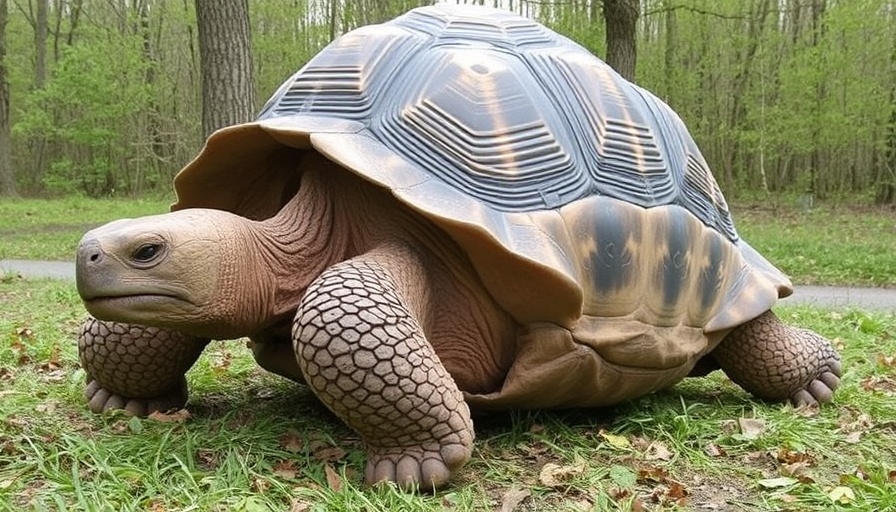
    George Bailey the Tortoise Teaches Us About Resilience and Mobility Solutions

    Giant Disabled Tortoise Has Something to Shell-ebrate

    A Heartwarming Tale of Resilience

    In a world where the challenges of pet care often lead to tough decisions, one extraordinary story shines through as a beacon of hope and determination. Meet George Bailey, a remarkable Sulcata tortoise living under the loving care of Jaime Loebener. From the moment she rescued him from an exotic animal shelter in Knoxville, TN, Jaime knew that George's journey would be atypical—his battle against metabolic bone disease challenged both his mobility and spirit.

    Understanding Metabolic Bone Disease in Tortoises

    Metabolic Bone Disease (MBD) poses significant challenges for reptiles, especially for tortoises like George Bailey, who suffer from weak and underdeveloped limbs. Symptoms of MBD include lethargy, deformed limbs, and an abnormally flat shell, all of which not only hinder locomotion but also impact the overall quality of life. Recognizing these challenges is crucial for veterinarians and pet care professionals who aim to support the well-being of their animal patients. Providing a balanced diet rich in calcium and appropriate environmental conditions can help prevent MBD and contribute to healthier lifespans for reptiles.

    Innovative Solutions for Enhanced Mobility

    Jaime, driven by her love for George, became resourceful when she noticed his struggles. After extensive research, she discovered Walkin’ Pets—a company that specializes in creating mobility solutions for disabled pets. Inspired by stories of other animals who had regained their mobility through innovative solutions, Jaime immediately reached out for support. Walkin’ Pets responded with enthusiasm, ready to make George's life more vibrant.

    How Mobility Aids Change Lives

    With the help of Walkin’ Pets, George Bailey received a custom-designed wheelchair that fitted comfortably over his shell, allowing him to navigate his surroundings with newfound confidence. Equipped with all-terrain wheels and generous cushioning that accommodates his unique body shape, George quickly adapted to his new wheels. Jaime recalls, “He took to it immediately! Seeing him move around with ease brought me so much joy.”

    Community Connections and Expert Support

    This inspiring journey highlights the importance of a strong support network. Veterinarians and vet techs play an essential role in guiding pet owners like Jaime through intricate health challenges. Pet nutritionists can offer crucial dietary guidance to ensure tortoises like George avoid conditions like MBD. Furthermore, trainers and pet accessory developers contribute to a broader dialogue about the innovation necessary for increasingly complex pet needs.

    Broadening the Conversation on Pet Mobility

    George's story not only emphasizes the impact of appropriate mobility aids but also encourages a larger conversation among pet advocates, rescue organizations, and caregivers. As pet ownership evolves, strategies for adapting habitats and products to support diverse needs will become increasingly relevant. Understanding the challenges faced by disabled pets can mobilize communities to create solutions that foster inclusivity and promote better lives for all pets.

    Inspiration Spreading Through the Community

    The story of George Bailey isn’t just about a tortoise—it’s about the human spirit’s commitment to caring for those in need. Each day that George rolls around in his wheelchair, he serves as a powerful reminder of resilience and community. Just as Jaime found inspiration through the stories of other pets, her journey motivates others to share and learn, further enriching the lives of animals everywhere.

    Take Action for Your Pets Today

    If you're a pet parent, consider how mobility aids or changes in diet and housing could enhance your pet's quality of life. For those working in veterinary practices, advocating for advanced solutions and sharing knowledge with pet owners can create a difference, not only in the lives of pets like George Bailey but also throughout the pet-loving community.

    Adoption & Rescue

    Write A Comment

    *
    *
    Related Posts All Posts
    12.14.2025

    Why Proprioceptive Deficits Cause Paw Knuckling in Dogs

    Update The Importance of Proprioception in Canine Mobility Understanding proprioception is critical for improving the lives of dogs that experience mobility challenges. This sense allows dogs to perceive their position and movement, enabling them to navigate their surroundings safely. Proprioceptive signals travel from the limbs through the spinal cord to the brain, facilitating fluid movement. However, when this pathway is disrupted due to various factors—including spinal cord injuries or neurological conditions—the results can manifest as serious mobility issues, notably paw knuckling. Recognizing Signs of Proprioceptive Deficits Proprioceptive deficits can present themselves in subtle and gradual ways or emerge suddenly. Some signs that pet owners and professionals should monitor include: Knuckling: A definitive sign where the dog walks on the tops of their paws rather than the pads, leading to potential injuries. Dragging Toes: This behavior may result in worn nails and is often observable in dogs with significant mobility impairments. Wobbliness: Dogs may stagger or appear unsteady, indicating a loss of balance and coordination. Delayed Paw Repositioning: An indication of proprioceptive deficits can be illustrated when an owner flips their dog's paw; if it takes longer than normal for the dog to correct the position, this warrants further examination. Causes of Conscious Proprioceptive Deficits The causes of CP deficits in dogs are diverse, impacting various systems in the body. Here are some common causes that veterinarians and caretakers should consider: Spinal Injuries: Conditions such as Intervertebral Disc Disease (IVDD) or spinal cord tumors significantly impair proprioceptive feedback. Neurological Disorders: Degenerative myelopathy and conditions like myelitis or meningitis can hinder normal limb function. Orthopedic Issues: Joint instability or muscle atrophy can complicate existing deficits leading to misidentified symptoms. Diagnosis: The First Step Towards Treatment Veterinary diagnosis of proprioceptive deficits often begins with a comprehensive physical examination. Proprioceptive placing tests are one of the simplest yet most pivotal assessments. In this test, the veterinarian gently flips a dog's paw to observe the response time for the paw to regain its proper position. An appropriate response indicates normal function, whereas a delayed or absent reaction can flag potential underlying neurological issues. Treatment Options: Tailored to the Cause Once a definitive cause has been established, treatment becomes targeted towards the specific underlying issue. Treatment options can vary widely. Some dogs may benefit from surgical interventions, especially when their deficits are caused by physical damage or compression of the spinal cord. For others, non-invasive approaches such as physical therapy, anti-inflammatory medications, or laser therapy may provide significant relief. Early intervention is crucial, as many dogs show dramatic improvements with timely and appropriate care. Future Considerations: Long-Term Management and Support For veterinarians and pet professionals, understanding and managing a dog’s condition involving proprioceptive deficits requires ongoing evaluation and adjustment. Dogs showing early signs should not be left to struggle; proactive engagement through assessment, preventative measures, and supportive care plays a pivotal role in enhancing their quality of life. By prioritizing the needs of dogs with CP deficits, we foster a compassionate community committed to their well-being. Call to Action: Take Action and Seek Help! If you recognize the signs of paw knuckling in your dog, don’t hesitate to consult with a veterinarian. Early detection and intervention can make a world of difference in a dog's recovery and quality of life. Share this information with fellow pet parents, trainers, and other caregivers to raise awareness about the importance of proprioception in dogs.

    12.05.2025

    Canine Ataxia: The Essential Guide for Vets and Pet Care Professionals

    Update Understanding Canine Ataxia: A Comprehensive Overview Ataxia in dogs is more than just a perplexing term; it's a serious neurological condition that can deeply impact your furry family member's quality of life. This disorder manifests as a lack of coordination and balance, often leaving pet owners concerned about their dog's stability and well-being. Understanding the nuances of ataxia, its causes, symptoms, and available treatments can empower pet parents and professionals alike to make informed decisions regarding their canines' health. What Exactly Is Ataxia in Dogs? Ataxia is primarily characterized by uncoordinated movements and is not a standalone disease but rather a symptom of various underlying issues in the nervous system. Canine ataxia can be broadly classified into three categories: Vestibular Ataxia: Caused by disorders in the inner ear or brainstem, affecting balance and spatial awareness. Cerebellar Ataxia: Resulting from damage to the cerebellum, this type impacts coordination and fine motor skills. Spinal or Sensory Ataxia: Here, damage occurs in the spinal cord or peripheral nerves, which disrupts communication between the limbs and the brain. The determination of which type of ataxia a dog has invariably influences their treatment pathway and overall prognosis. Causes of Ataxia: A Look into the Underlying Conditions Identifying the cause of ataxia is essential, as treatments vary drastically. Each type of ataxia stems from different conditions: Vestibular Ataxia: Often associated with inner ear infections, idiopathic vestibular syndrome, head trauma, or tumors. Immediate veterinary attention is necessary here, especially for older dogs. Cerebellar Ataxia: This could result from congenital defects, brain inflammation, toxin exposure, or neoplasia (tumors). For instance, some breeds, like the Chow Chow, may be genetically predisposed. Spinal Ataxia: Conditions like intervertebral disc disease (IVDD) and degenerative myelopathy highlight how critical the spinal column is in maintaining balance and movement. Recognizing the Symptoms Symptoms of ataxia can vary greatly and may include: Wobbly or unstable gait Frequent falling Head tilting or circling in one direction Delayed reaction to touch Weakness in limbs Timely recognition of these signs can lead to critical interventions that might save a dog’s life or improve its quality of life significantly. Diagnostic Journey: Getting to the Root of the Problem When a dog exhibits signs of ataxia, veterinarians typically engage in a thorough diagnostic process. This often includes a detailed history of the dog's health, physical examinations, and advanced imaging techniques such as MRI or CT scans to determine the root cause. Understanding this journey can help pet parents feel more secure and involved in their pet's care. Effective Treatment Options Upon diagnosing the underlying cause, treatment plans will vary: Medical Management: Many cases involving infections or inflammation can be treated with medication. Physical Rehabilitation: This plays an essential role in recovery, focusing on helping the dog regain equilibrium and strength. Supportive Care: Adjustments in the home environment, such as non-slip mats and removing sharp edges, can greatly assist a dog with ataxia. Promoting a Better Quality of Life The future for dogs diagnosed with ataxia can range from hopeful to challenging. While some dogs may fully recover, others might require ongoing care. Pets with persistent ataxia should be supported by their owners to ensure they can navigate their environments safely. Regular veterinary checkups can monitor their progress and adapt their care strategies. Engaging the Community: Resources for Pet Care Professionals As a community, veterinarians, trainers, pet nutritionists, and pet accessory developers hold the power to shape the lives of dogs suffering from ataxia. By collaborating and sharing best practices, we can elevate our knowledge and influence future pet care initiatives. Getting involved with local rescue organizations, pet care forums, and workshops can provide a wealth of resource-sharing opportunities. If you are a veterinarian, consider further education on neurological disorders and their management to help the furry patients in your care. Conclusion Understanding ataxia empowers all who care for dogs—from vets to trainers, to pet manufacturers—creating a compassionate circle of care. This knowledge is vital not only for immediate treatment but for promoting a proactive approach to canine health and well-being. While ataxia poses challenges, continued education and community engagement can inspire hope for our beloved companions.

    11.27.2025

    Unlocking the Secrets to Siberian Husky Lifespan: What Every Owner Needs to Know

    Update Understanding the Lifespan of Siberian Huskies Siberian Huskies are not just celebrated for their striking looks and spirited energy; they have a rich history ingrained in their DNA as sled dogs from the icy terrains of Siberia. Known for their friendly disposition and high activity levels, they require informed care to ensure they live their best lives. The average lifespan of a Siberian Husky ranges from 12 to 14 years, a period during which various factors will influence their health and longevity. Understanding these factors allows pet parents, veterinarians, and other professionals involved in pet care to make empowered decisions that ultimately enhance the quality of life for these incredible dogs. Factors Affecting Husky Longevity and Health Several variables dictate how long Huskies will live, many of which depend on the care they receive. Genetics is a significant factor; Huskies may inherit specific health conditions such as hip dysplasia, cataracts, and both hypothyroidism and progressive retinal atrophy (PRA), which are common in the breed. Responsible breeders typically conduct health screenings to help minimize hereditary risks, which is crucial when choosing a new puppy. Prospective owners should prioritize adopting from reputable breeders who invest time in ensuring their breeding stock is healthy. Importance of Proper Nutrition and Weight Management The diet you provide plays a pivotal role in your Husky's lifespan. Huskies are adept at self-regulating their food intake; however, this can lead to weight issues if not carefully monitored. Providing a well-balanced, nutrient-dense diet can help your Husky stay fit and vibrant. Veterinarians often recommend high-quality food that suits their age and energy needs. For instance, puppies require a higher protein intake for growth, while adult Huskies benefit from food rich in omega-3 fatty acids and antioxidants to promote overall health and prevent illness. Exercise: The Key to a Happy and Healthy Husky Regular physical activity is critical for Siberian Huskies. These energetic dogs were bred for stamina; they thrive in active homes where they can engage in various exercises such as hiking, running, and playing fetch. A daily routine of at least 40 minutes of vigorous exercise can minimize the risk of obesity and help prevent behavioral issues that arise from boredom. Mental stimulation is equally important. Engaging your Husky in interactive games or training sessions not only keeps them mentally sharp but also strengthens the bond between owner and pet. Veterinary Care: Proactive Measures for Longevity Preventive veterinary care is another cornerstone in extending a Husky’s lifespan. Regular health check-ups enable early detection and management of health-related issues that could cut their lives short. Veterinary professionals can provide insights and recommendations tailored to each dog’s needs, monitoring for conditions common in the breed. These visits can include dental care, vaccinations, and parasite management—all crucial for maintaining a healthy lifestyle. Creating a Safe and Comfortable Living Environment The right living conditions significantly impact your Husky’s quality of life. Huskies thrive in cooler climates but can adapt to various environments when their needs are met. Keeping them indoors during extreme weather conditions and providing safe outdoor spaces enhances their physical and emotional well-being. Moreover, a secure yard prevents accidents and potential health hazards, like poisonous plants or wildlife encounters. An atmosphere filled with love, attention, and safety creates a nurturing experience for your furry friend. Understanding Health Risks: Common Issues in Huskies While Huskies are robust and resilient, they are susceptible to specific health challenges. Common issues like hip dysplasia can lead to arthritis if not monitored and treated appropriately. Symptoms may include limping and difficulty moving. Regular check-ups and awareness of these conditions can lead to better management and quality of life. Eye health is particularly crucial in Huskies, as they are prone to cataracts and PRA, which can lead to blindness. Early detection through routine vet visits can help manage these issues effectively. Conclusion: The Golden Years of Your Husky Siberian Huskies can enjoy a fulfilling life if provided with the right care and environment tailored to their unique needs. A blend of proper nutrition, exercise, regular veterinary care, and emotional support creates a fulfilling framework that champions longevity. Engaging with your Husky continuously through various activities brings them joy and strengthens your bond. If you are considering welcoming a Husky into your life, ensure you are well-versed in their needs and committed to their well-being. The effort you put forth will not only enrich their lives but also enhance the companionship you both share.

    Terms of Service

    Privacy Policy

    Core Modal Title

    Sorry, no results found

    You Might Find These Articles Interesting

    T
    Please Check Your Email
    We Will Be Following Up Shortly
    *
    *
    *