Add Row
Add Element
cropper
update

{COMPANY_NAME}

cropper
update
Add Element
    Add Element
    • update
    • update
    • update
    • update
    • update
    • update
    • update
    March 15.2025
    2 Minutes Read

    Why Do Dogs Bark? A Comprehensive Guide to Barking Sounds

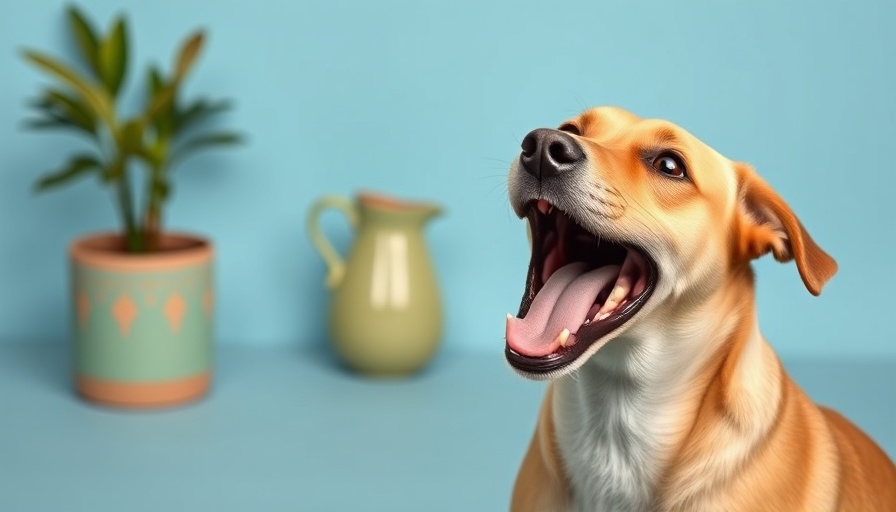
    Expressive dog barking in a pastel studio setting, Why Do Dogs Bark?


    The Language of Barks: Understanding Your Dog’s Vocalizations

    Dogs bark for a multitude of reasons, communicating everything from happiness to distress. Understanding the meaning behind each bark can help you better navigate your relationship with your pet. For instance, a high-pitched bark usually signifies excitement, while a low, growling bark often indicates warning or aggression. Observing your dog's pitch, frequency, and context can enlighten you about their current state of mind.

    Different Types of Barks: What’s Your Dog Saying?

    Many owners are surprised to learn that dogs have a range of vocalizations that convey specific messages. Here are some common types of barking:

    • Pain Bark: An increase in barking might suggest discomfort or pain. Watch for patterns that indicate your dog may need a vet visit.

    • Alarm Bark: This often manifests as a series of quick mid-pitched barks when alerting to outside threats, transforming to deeper barks as the threat nears.

    • Boredom Bark: If your dog is bored or under-stimulated, the result can be excessive barking. It’s essential to provide physical and mental activities to curb this behavior.

    • Fearful Bark: A dog startled by a loud noise might bark as a reaction. This type of barking is often accompanied by other signs of fear, such as trembling or hiding.

    Decode the Bark: Context is Key

    The context of the barking plays a crucial role in effectively interpreting the sound. For example, a dog's bark when playing is higher in pitch than when it is alerting to a stranger. Research has shown that these vocal variations are rooted in their emotional responses. Dogs may also differentiate their barks based on the situation, responding to strangers with harsher tones compared to their playful noises.

    Listening Beyond the Bark: Understanding Dog Communication

    While barking is a significant mode of canine communication, dogs express themselves through body language, facial expressions, and other vocalizations like whining. This interplay enriches their interaction with humans. Listening closely and observing can deepen your understanding of what your dog needs and how it feels.

    Why Understanding Barking Matters

    Understanding your dog’s barking is vital not only for maintaining harmony at home but also for enhancing your bond. Proper interpretation can prevent misunderstandings that lead to bad behavior. By knowing when your dog is excited, anxious, or feeling unwell, you can respond appropriately and ensure your dog feels secure and heard.

    Learning to interpret dog vocalizations is an enriching journey that significantly enhances the bond between owner and pet. So, the next time your furry friend barks, listen closely and observe the context—after all, they may just be trying to communicate their needs, wants, or feelings!


    Training & Behavior
    Related Posts All Posts
    08.15.2025

    Master Potty Training Your Dog: Tips and Insights for Success

    Update Mastering the Art of Potty Training Your DogPotty training your dog is often hailed as one of the more rewarding yet challenging tasks of pet parenthood. The good news? With patience, consistency, and a bit of knowledge about canine behavior, you can make this process smooth for both you and your furry friend. Let’s dive into the essentials of training your pup and uncover some expert strategies that can help foster understanding between you and your dog.When Is the Right Time to Start?The ideal window to commence potty training is between 8 to 12 weeks of age. During this crucial period, puppies start gaining bladder control and are eager to learn good behaviors. However, it’s worth noting that older dogs can also learn; it might just require additional time and persistence. One helpful tip is to take your dog outdoors for potty breaks based on their age—expect one hour for each month they have been alive. So, if your pup is two months old, they’ll need a break every two hours, and so on.What’s the Expected Timeline?Many pet parents find that it typically takes about 4 to 6 months for their dog to become reliably house trained, though some dogs may take up to a year. Expect a few accidents during this learning phase; it’s all part of the process! Establish a clear routine by taking your dog out after meals, naps, and playtimes. For those early weeks, aim to take your puppy out every two hours or even more frequently to instill confidence in the potty process.Do Certain Breeds Require More Time?Yes! Smaller breeds, including Chihuahuas and Yorkshire Terriers, often take longer to house train due to their smaller bladders. Meanwhile, breeds known for their work ethic, like Labradors and Border Collies, typically pick up training faster. Nevertheless, every dog has a unique personality that influences training outcomes just as much as breed does. Always use positive reinforcement for the best results—praise and treats after they successfully go outside will strengthen their training.Top Tips and Tricks for Effective Potty TrainingTo aid you in this journey, here are some tried-and-true tips for successful potty training:Crate Training: Utilize a crate as dogs usually prefer not to soil their personal space. This teaches them to hold their bladder.Praise and Rewards: Immediate rewards such as treats or enthusiastic praise are crucial every time your dog goes potty outside.Stay Consistent: Feeding and walking your dog at the same times each day will help them adapt to a schedule and learn to hold their bladder until it’s time to go out.Recognizing Signs: Watch for indicators that it’s time to go out. Signs like circling, sniffing, or whining may signal your dog needs relief.By employing these methods and a splash of positivity, you can turn potty training into not just a task, but a rewarding bonding experience with your dog. Keep your chin up; before you know it, your home will be free from puppy messes!Bonding Through Potty TrainingPotty training can often feel more like a chore than a bonding experience, yet it shouldn’t be! Your puppy is learning how to navigate their world, and by guiding them patiently, you are building trust. Celebrate small victories, and relish those moments of progress together.The Importance of PatienceOne thing to remember throughout your potty training endeavor is patience. Every dog learns at their own pace, and it is essential not to scold your pet for accidents. Instead, refocus on encouraging them positively when they succeed. Watching your puppy grow and learn is part of the joy of being a pet parent.

    03.22.2025

    Why Do Cats Headbutt Humans? Understand This Unique Behavior Now!

    Why Do Cats Headbutt Humans?Cats, while enigmatic creatures, have unique ways of communicating their feelings and desires. One such endearing behavior is headbutting, scientifically known as "bunting." When your feline presses its head against you, it’s more than just a gesture of affection; it is rich with social significance and emotional nuances.Headbutting can be seen as a friendly and loving gesture, but it serves multiple purposes in feline communication. When cats engage in this behavior, they may be marking their territory. Cats possess scent glands located on their heads, which release pheromones when they gently rub against their cherished humans. This transfer of scent is a clear signal to other animals that you are a treasured companion.The concept of a "colony scent" is fascinating in cat behavior. Cats, especially those that share a household or neighborhood, often headbutt each other. This is not merely an act of affection but a way to blend their unique scents to establish a cohesive group identity. By merging their scents, cats recognize one another within their social spheres, reinforcing their bond and unity.Seeking Attention: The Social Elements of HeadbuttingWhen your kitty approaches you with a headbutt, it might be their way of seeking your attention. This gentle nudge can signal various needs: perhaps it's time for dinner, their water bowl is empty, or simply that they’re longing for a cuddle or affection. By tuning into these gestures, cat owners can more effectively respond to their pet's needs, nurturing a stronger, loving bond.Interestingly, headbutting may also serve a self-soothing function. When cats feel stressed or overwhelmed by external stimuli like loud noises, they may engage in headbutting or kneading to alleviate their anxiety. It’s their way of grounding themselves, reminding us of the intense worlds they navigate daily.While most headbutting behaviors signal affection or social bonding, sudden changes in this behavior could indicate distress. If your cat starts headbutting more frequently or exhibits abnormal behaviors, such as pressing its head against walls, it's crucial to consult a veterinarian. Understanding your cat's behavioral changes can help ensure they remain healthy and happy.The Joy of Connecting with Your FelineHeadbutting is one of the many ways our furry friends choose to connect with us. Recognizing and responding to this behavior fosters good feline mental health and strengthens your bond with your pet. Embracing these moments can enrich your life and create cherished memories.Building a deeper understanding of feline communication through such gestures is enriching for both cats and their humans. To ensure your cat remains in good health, consider pet insurance that covers veterinary care for incidental needs. With the right support, you can focus on the love and joy that comes with your pet relationship.

    03.19.2025

    Can Dogs Get Embarrassed? Understanding Their Emotional World

    Can Dogs Really Feel Embarrassed? Uncovering the TruthDogs have an incredible range of emotions that can surprise even the most seasoned pet parents. Beyond joy and love, there's also jealousy, grief, and a host of other feelings that show our furry companions experience the world in depth. But when it comes to the notion of embarrassment, things might not be quite what they seem. Pet parents often wonder if their dogs experience that cringey moment of realization that so many humans do — the blushing, the shame. Do dogs truly feel embarrassed as we do when they make a blunder, or is there something else at play?To understand whether dogs can feel embarrassed, we must first unpack what embarrassment entails for us. It's deeply intertwined with our social norms and the expectations of how we should act. For instance, stumbling over words in front of friends or realizing we’ve committed a social faux pas can produce that familiar flush of humiliation.Dogs, however, are guided by instinct rather than societal frameworks. They don’t share the same set of social rules that often lead to human embarrassment. It's this disconnection that leads some experts to suggest that while dogs might display certain behaviors that seem to reflect embarrassment — like cowering, hiding, or avoiding eye contact — these are likely not indicators of shame but rather responses to situations that make them feel uncomfortable or anxious.Potential Misinterpretations of Dog BehaviorMany behaviors often misinterpreted as signs of embarrassment can simply indicate that a dog is feeling protective, anxious, or stressed in various situations. For example, a dog with pinned ears, a tucked tail, or a more hunched posture might be displaying appeasement signals. These are based on the canine instinct to submit, rather than feelings of shame or regret.However, it's vital for pet parents to recognize these signs accurately. Misinterpreting them can lead to punitive measures against a dog that is merely acting on instinct. For example, if a dog is caught rummaging through the trash, a pet parent might assume their dog is being ‘naughty’ when, in reality, the act of foraging is natural canine behavior.While dogs might not experience embarrassment, they do have a complex range of feelings that can influence their behavior. Like humans, dogs can feel happiness, fear, excitement, and more. Their emotional responses, however, stem from different roots. Recognizing what motivates dog behavior can help improve the relationship between dog and owner.So, instead of viewing a dog's behavior through the lens of human emotion, pet parents should consider their dog’s perspective. An open mind about what dogs truly feel can pave the way for better training approaches and a more profound understanding of their needs and emotional health.The Benefits of Knowing Dog EmotionsBeing informed about how dogs might think and feel is beneficial for any pet parent. It allows for more empathetic approaches, whether in behavior training or daily interactions. Emphasizing positive reinforcement techniques rather than punitive ones can lead to trust and a stronger bond between humans and their canine companions. When we address our dogs' emotions from a standpoint that respects their instincts and natural behaviors, we contribute to their overall well-being.Ultimately, while we may never fully understand what goes on in a dog's mind, acknowledging their vast emotional landscape helps us become better caregivers. Understanding their behavior leads to a happier home for both pet and parent.If you're looking to deepen your connection with your furry friend, consider taking your understanding of canine emotions a step further. Engage with a vet or behavior specialist who can provide insights into how your dog communicates and reacts.

    Terms of Service

    Privacy Policy

    Core Modal Title

    Sorry, no results found

    You Might Find These Articles Interesting

    T
    Please Check Your Email
    We Will Be Following Up Shortly
    *
    *
    *