Add Row
Add Element
cropper
update

{COMPANY_NAME}

cropper
update
Add Element
    Add Element
    • update
    • update
    • update
    • update
    • update
    • update
    • update
    April 16.2025
    3 Minutes Read

    Discover How Spawtlight Honors Daisy's Legacy for Pets Everywhere

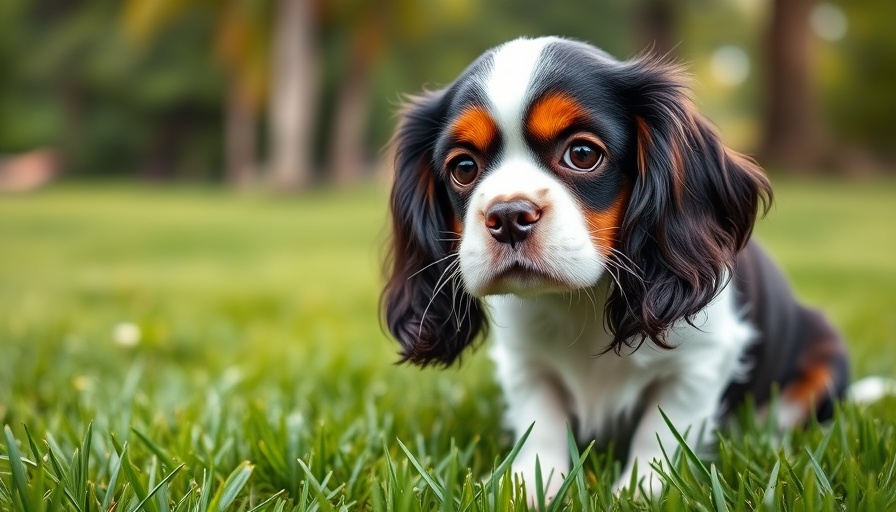
    Pet Charity Spawtlight Daisy's Legacy Cavalier King Charles Spaniel.

    Honoring Daisy's Legacy Through Community Engagement

    The story behind the pet charity "Spawtlight" is as heartwarming as it is inspiring. Daisy, a beloved canine companion, left a profound impact on her family, leading them to create a nonprofit aimed at promoting healthy pet lifestyles in memory of their furry friend. This organization not only provides resources and support for pet owners, but also works tirelessly to elevate the bond between pets and humans in the community.

    Why Spawtlight Matters for Pet Professionals

    For veterinarians and vet techs, organizations like Spawtlight are invaluable partners in enhancing pet wellbeing. The charity emphasizes the importance of nutrition, regular veterinary visits, and exercise, aligning with the objectives of those in the veterinary profession. Collaborations between Spawtlight and local veterinary clinics can lead to vaccinations, check-ups, and educative workshops on wellness that directly cater to the needs of the community.

    A Growing Community of Advocates

    Spawtlight is not just about honoring Daisy’s legacy; it fosters a growing community of advocates, pet nutritionists, and trainers who are passionate about animal welfare. Such collaborations—including workshops led by pet trainers or nutritionists—enhance pet care methodologies. Pet food manufacturers, for example, can support Spawtlight by contributing their nutritious pet products, allowing pet parents access to healthy options which promote better lifestyles for their pets.

    Pet Grief Counselors: Vital Support for Owners

    Pet loss is an emotional journey for many pet parents, and Spawtlight recognizes that too. Partnering with pet grief counselors provides essential support for families coping with the passing of their beloved pets. This initiative creates a compassionate atmosphere that helps bridge the emotional gap for those who are struggling, fostering healing through community gatherings focused on sharing stories, memories, and strategies for coping with grief.

    Understanding the Diverse Needs and Resources

    Spawtlight encourages grooming services and catio builders to engage in its mission by hosting events that promote responsible pet ownership and the adoption of rescue pets. This not only benefits the local community but contributes to a broader awareness of animal welfare issues. Pet accessory developers can also play a role, creating functional and stylish products that cater to the needs of both pets and their owners.

    Future Opportunities and Trends in Pet Care

    Feeding into these community initiatives, a bright future lies ahead for Spawtlight and similar organizations. As people increasingly adopt pets from rescue organizations, the demand for nutritional education, behavioral training, and health support will continue to rise. By understanding trends such as the popularity of pet parent inspired clothiers and eco-friendly products, Spawtlight can evolve its mission to meet growing needs.

    Join the Movement to Honor Pets Everywhere!

    Pet professionals, advocates, and passionate pet lovers should unite with organizations like Spawtlight to honor the legacy of pets like Daisy. By participating in events, volunteering, or contributing resources, everyone can make a difference in the lives of pets and their owners. Each small action can lead to significantly improved quality of life for pets throughout the community, ensuring Daisy's legacy continues to flourish.

    Pet Care

    0 Comments

    Write A Comment

    *
    *
    Related Posts All Posts
    03.10.2026

    How Can Veterinarians Help Dogs Avoid Recurrent UTIs?

    Update Understanding Recurrent UTIs in Dogs: A Comprehensive Look Recurrent urinary tract infections (UTIs) in dogs pose a concerning challenge for pet owners and veterinarians alike. These infections can be frustrating and painful for our canine companions, leading to a series of questions about underlying causes, effective management, and preventive strategies. This article delves into the complexities of recurrent UTIs, providing valuable insights for veterinarians, vet techs, and pet owners. The Underlying Causes of UTIs Recurrent UTIs in dogs can stem from various factors, including anatomical anomalies, hormonal influences, and pre-existing health conditions. Anatomical issues, such as a malformed urinary tract, may predispose a dog to infections. Additionally, certain health conditions like diabetes mellitus or Cushing’s disease can impact a dog's immune system, increasing susceptibility to UTIs. Understanding these underlying causes is crucial for effective treatment and prevention. Common Symptoms to Watch For Recognizing the signs of a urinary tract infection in dogs is vital. Symptoms may include frequent urination, straining to urinate, blood in the urine, and excessive licking of the genital area. If you observe these signs, it’s essential to seek veterinary assistance promptly to confirm the diagnosis and initiate appropriate treatment. Early intervention can prevent further complications and discomfort for your pet. Effective Treatment Options Treatment for UTIs typically involves antibiotics prescribed by a veterinarian based on the specific bacteria identified in urine cultures. However, it is crucial to complete the full course of antibiotics to ensure that the infection is thoroughly addressed. In some cases, alternative healing methods, such as probiotics, herbal remedies, or dietary adjustments, could complement traditional treatments and promote urinary health. Preventative Strategies for Pet Owners Preventing recurrent UTIs involves several strategies that pet owners can implement in their dog's care routine. Regular hydration is essential; ensure your dog has access to clean, fresh water at all times. Frequent bathroom breaks, appropriate hygiene practices, and high-quality diets that promote urinary health can also contribute significantly to prevention. For pet nutritionists, recommending diets that support urinary health becomes paramount in resolving this pressing issue. The Role of Groomers and Trainers Groomers and trainers play an indirect but essential role in managing urinary health. Groomers can help ensure cleanliness in the genital area, while trainers can encourage behaviors that lead to regular potty breaks. Additionally, trainers can educate pet parents on the importance of monitoring any behavioral changes that may indicate discomfort or urinary issues. Insights for Veterinary Practices Veterinarians and their staff should be prepared to provide comprehensive care for patients experiencing recurrent UTIs. This includes not only the appropriate medical treatment but also the education of pet parents about potential lifestyle changes. Implementing regular health check-ups can assist in early detection and preventive measures that mitigate the recurrence of UTIs. Emotional Support for Pet Parents Dealing with a pet's recurrent health issues, such as UTIs, can be emotionally taxing for owners. Connecting with other pet parents facing similar challenges can provide emotional relief and reassurance. Additionally, pet grief counselors can offer supportive resources for those grappling with the anxiety of repeated infections in their furry friends. Looking Ahead: Future Trends in Canine Health As research into canine health continues, emerging insights could potentially transform the way we approach urinary health. Developments in dietary science, probiotic research, and even genetics may yield new strategies for effectively managing and preventing UTIs in dogs. Professionals in the pet food manufacturing industry should stay abreast of these trends to adapt their offerings accordingly. Conclusion: Taking Action to Help Your Dog As pet owners and professionals in the pet care industry, addressing recurrent UTIs in dogs requires a multifaceted approach. By combining veterinary knowledge, nutritional strategies, education, and emotional support, we can help our furry companions lead healthier, happier lives. If you’re a pet parent concerned about your dog's urinary health, don’t hesitate to consult your veterinarian and explore available resources!

    03.09.2026

    How Healthy Nutrition Influences Your Dog's Happiness and Well-being

    Update Providing a Lucky Life: The Key to Canine Health Every dog deserves to feel like the luckiest in the world, and a big part of achieving that lies in their health and wellness. Whether they're chasing a ball or snoozing on the couch, healthy dogs are more energetic, mobile, and overall happier companions. Their vitality can significantly improve through the right nutrition, exercise, and love from their guardians. Let’s dive into expert tips that can help every dog parent and caregiver create a thriving environment for their furry friends. Perfecting Nutrition: The Cornerstone of Health Nutrition is the absolute foundation of a thriving canine. Just as humans rely on balanced diets for optimal functioning, dogs need the right mix of proteins, fats, and carbohydrates to ensure their systems run smoothly. It’s not merely about what goes into their bowl, but understanding their individual dietary needs. For instance, small dogs generally require 300-600 calories per day whereas larger breeds need upwards of 1300-2000 calories depending on their activity level. According to veterinary nutritionists, the ideal macronutrient split calls for around 25–30% protein, 30–40% fat, and 30–45% carbohydrates. Pet owners should always consult their veterinarians to tailor dietary plans specific to their dogs' needs. Portion Control: Avoiding the Weight Trap Even the best food can lead to weight gain if served in excess. When crafting their mealtimes, consider the total daily caloric intake and make adjustments for treats carefully. Overweight dogs can face a myriad of health issues, including heart disease and diabetes, along with decreased longevity. Keeping track of their meals is vital—veterinarians recommend that treats should account for no more than 10% of total caloric intake, meaning a dog needing 900 calories should consume no more than 90 calories from treats alone. Healthy Treats: Choose Wisely Speaking of treats, they serve as rewards and enhance bonding between pets and owners, but they shouldn’t derail a dog’s health. Choosing single-ingredient, low-calorie options, such as 6-8 calorie dog treats, can make a significant difference in their diet while still providing enjoyment. Responsible sourcing is also crucial. Treats made from human-grade ingredients and packaged with care can optimally serve a dog’s nutritional and psychological needs. Fun, Play, and Enrichment: Keeping Dogs Mentally Stimulated Paw-rents should understand that dogs thrive on enrichment just as much as proper diet. Regular play and mental stimulation can prevent behavioral issues borne from boredom. This can include interactive toys, agility games, or simply engaging in sport-like activities such as fetch, which strengthen the bonds while providing ample exercise. When properly exercised, dogs maintain a healthier weight and exhibit positive behaviors. Routine Vet Visits: The Importance of Checkups Periodic checkups are vital for any dog’s health. Routine visits to the veterinarian can help catch potential health issues early and keep vaccinations up-to-date. For senior dogs, biannual visits may be advisable because they can age significantly faster than humans. Establishing a reliable relationship with a veterinarian not only secures peace of mind for paw-rents but also ensures ongoing health and wellness for their beloved furry companions. Impact of Fresh Air: Outdoor Adventures Taking dogs outdoors not only provides necessary physical exercise, but also presents an opportunity for socialization. Daily walks, trips to the local dog parks, or hikes can enrich a dog’s life immeasurably. Such activities also foster safe interactions with other pets and promote good behavior. It’s essential, however, to remain vigilant about using leashes in public spaces, embracing safe outdoor practices, and ensuring that dogs are comfortable and well-trained for various environments. Build Connections: The Role of Socialization Socialization is crucial for puppies, as well as adult dogs. Exposing them to different people, environments, and other pets helps build their confidence and reduce anxiety. Organized playdates with dogs of similar temperaments can bolster their confidence and provide enriching interactions. Such social activities can shape a dog’s behavior positively, leading to a well-adjusted member of the household. Concluding Insights: Create the Best Environment for Your Dog All the above tips play a part in developing the healthiest, happiest version of your dog. Remember, becoming the luckiest canine requires time, patience, and dedication. Stay informed, seek out resources—whether they be veterinarians, fellow dog parents, or pet nutritionists— and cultivate a nurturing atmosphere that showcases just how much every dog deserves to feel lucky. Consider starting today to take stock of your dog's health plan; after all, their happiness is intricately tied to their well-being.

    03.07.2026

    Simple DIY Dog Pee Repellents to Keep Your Yard Clean and Fresh

    Update Understanding the Challenge With Dog Urine For dog owners around the world, the joy of having a furry friend comes with unique challenges, particularly when it comes to house training and managing a dog’s natural instinct to mark territory. Whether it’s your dog or the neighbor’s that seems to believe every patch of grass is their personal bathroom, you’re likely to become well-versed in the art of dog urine management. According to Dr. Chyrle Bonk, a veterinarian with extensive experience, proper cleaning is fundamental. Before applying any homemade repellents, it’s crucial to thoroughly clean the problem area. This ensures that residual urine scents, which are undetectable to humans, don’t lead your dog back to the same spot. Why Cleaning Matters: Setting the Stage for Repellents Your dog’s amazing sense of smell plays a significant role in their behavior. If previous urine smells linger, dogs will, more often than not, consider them an open invitation to return. Therefore, cleaning should involve using enzymatic cleaners that break down scent-marking compounds rather than merely masking them. These cleaners lift stains and odors effectively, making it less likely for your dog to sniff out the old spots. DIY Repellents: Natural Solutions to Keep Dogs Away Rather than spending money on expensive commercial sprays filled with chemicals, numerous DIY recipes utilize common household items. Here are some of the most effective homemade dog pee repellents that can be easily made from ingredients found in your pantry: Citronella Oil: This repellent is known for its effectiveness against mosquitoes but can also deter dogs. Dilute it before use, ensuring it's suitable for outdoor applications only. Sour Apple Essential Oil Spray: Mixing a few drops of sour apple essential oil with water provides a scent unattractive to dogs but pleasant for humans. Hot Chili Powder: Similar to its effect on squirrels, sprinkled chili powder can work wonders to keep dogs at bay, but caution should be taken due to its potential to irritate. Cinnamon-Citrus Spray: This combination utilizes two scents that dogs generally dislike and should be diluted to avoid irritation. Vinegar and Citrus Solution: Combining distilled vinegar with citrus creates a potent deterrent that effectively sends dogs in the opposite direction. Lemongrass-Peppermint Blend: A mix that smells pleasant to us but can deter dogs; keep it away from cats. Simple Vinegar Solution: For a direct repellent, a 1:4 vinegar to water mix is a straightforward yet efficient choice. More Unique Ideas for Repelling Dogs Beyond these well-known options—like black pepper oil, cayenne solutions, and citrus peels, which can also serve effectively to redirect your dog—there are also creative alternatives in dog training. Experts suggest that proper training with positive reinforcement can further decrease the habit of marking inappropriate areas. The Importance of Lasting Solutions: Behavior Correction Implementing these repellent strategies will help in managing behaviors, but remember, teaching your dog where it is appropriate to urinate is equally crucial. Consider positive reinforcement techniques. For instance, reward your dog for urinating where they should, and redirect their attention if they seem inclined to mark elsewhere. Crate training can also contribute significantly to their understanding that they shouldn’t soil their resting area. Paving the Way for Positive Behavior In addition to DIY repellents, consider utilizing motion-activated sprinklers or consult your veterinarian for additional behavior management solutions. Talking to professionals can provide more personalized methods tailored to you and your dog. Shared Experiences: Community and Support If you’re navigating challenges related to dog urine, you are not alone. Many pet owners face similar issues, and sharing experiences can bring about solutions and understanding. Online forums and local pet communities often exchange tips on effective training and repellent strategies that work best for their canine companions. Final Thoughts and Call to Action In conclusion, balancing the joys of pet ownership with the challenges of managing behavior can be daunting yet rewarding. Consider trying these homemade repellents as a starting point for a cleaner, more enjoyable environment for you and your pet. If the problem persists, don’t hesitate to reach out to a veterinarian or trained behaviorist to help in creating a tailored plan for success. For continuous insight and support with your pet journey, be sure to join online communities, where support is just a click away. Remember, a clean home is a happier home for both you and your beloved furry friend!

    Terms of Service

    Privacy Policy

    Core Modal Title

    Sorry, no results found

    You Might Find These Articles Interesting

    T
    Please Check Your Email
    We Will Be Following Up Shortly
    *
    *
    *