Add Row
Add Element
cropper
update

{COMPANY_NAME}

cropper
update
Add Element
    Add Element
    • update
    • update
    • update
    • update
    • update
    • update
    • update
    July 23.2025
    5 Minutes Read

    Discover 8 Joyful Ways to Tell Your Cat You Love Them

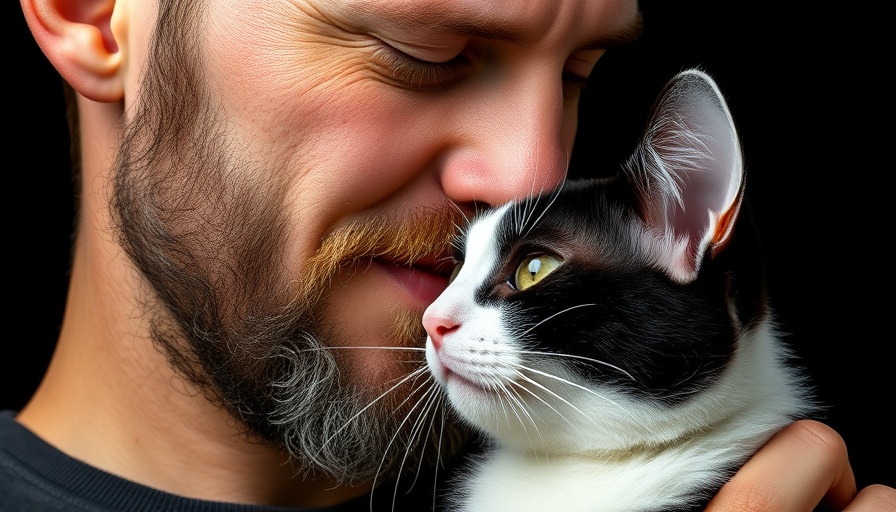
    Man showing love to black and white cat by nuzzling. Ways to Tell Your Cat You Love Them.

    Unlocking the Language of Love: How to Communicate with Your Cat

    Have you ever found yourself watching your beloved feline and wondering, "Does my cat truly understand how much I love them?" The relationship between cat and owner is often shrouded in mystery, filled with silent exchanges and subtle signals. While you shower your furry companion with affection through treats, petting, and sweet talk, the genuine understanding of love may sometimes be lost in translation. Fortunately, by learning to speak their language, you can deepen the bond you share in ways you’ve never imagined.

    In '8 Proven Ways to Tell Your Cat You Love Them (#5 Will Surprise You)', the discussion dives into feline communication, exploring key insights that sparked deeper analysis on our end.

    Sharing Your Scent: The Invisible Thread of Connection

    Scent plays an essential role in feline communication. To a cat, your scent is more than just a smell; it's a map of memories, comfort, and security. Consider this: when you leave a piece of clothing, like an old t-shirt, in their favorite nook, you’re essentially saying, "I’m here with you, even if I’m not physically present." This simple gesture creates an invisible thread of love that whispers, “You are mine, and I am yours.” Cats use scent to locate comfort and safety, so your presence, even in your absence, can soothe them. The next time you have to leave your cat, remember to leave behind something that carries your scent. Trust me, it means the world to them.

    Turning Mealtime into Adventure: Honoring Their Instincts

    Most indoor cats lead a life of comfort, yet deep within them lies the spirit of a hunter. The act of eating isn’t simply about nourishment; it's about fulfilling their natural instincts. By transforming their meal into a mini treasure hunt, you're tapping into that ancient instinct. Scatter kibble around the room or utilize puzzle feeders to stimulate their hunting instincts. This small shift not only makes mealtime exciting but reinforces the bond between you and your fur baby. As they pounce and stalk their “prey,” you're acknowledging their true nature and providing them with a fulfilling experience that matches their wild instincts.

    Creating Cozy Nighttime Spots: Providing Safe Havens

    Cats are naturally crepuscular, most active during dawn and dusk. As evening envelops the world, they crave warmth and safety. Establishing cozy cuddle spots, whether it’s a soft blanket at the foot of your bed or a designated nook in the room, conveys your love for them in a way they understand. Cats appreciate autonomy, so by providing them with a space to retreat while still being near you, you're honoring their needs for safety and comfort. This simple act solidifies your bond, showcasing that you respect their rhythm and understand their desires.

    Listening to Their Meows: A Dialogue of Love

    Cats possess a unique language that evolves specifically for their interactions with you. Each meow is a bridge they’ve built, connecting their world with yours. Ignoring these vocalizations is missing out on heartfelt communication. When you respond to their chirps and trills, you affirm their feelings, creating a deeper connection. Whether it’s a guttural call for food or a soft trill expressing curiosity, every sound is an opportunity for connection—an open invitation to engage in a conversation only the two of you share.

    Building a Window Adventure: A Portal to Wonder

    Indoor cats often long to connect with the outside world. Building a cozy perch by the window allows them to experience nature’s wonders. Whether it’s a soft cushion or a window hammock, this space becomes their front-row seat to life outside. You can elevate this experience by placing a bird feeder nearby, transforming their view into a dynamic landscape brimming with activity. This venture fulfills their natural curiosity and enriches their environment, letting them explore their instincts while remaining safe indoors.

    Crafting Secret Hideaways: Freedom in Solitude

    Cats are fascinating creatures that yearn for both companionship and solitude. Providing secret hideaways gives them the freedom to retreat when they need space. These hideouts, whether a simple cardboard box or a cozy bed, offer them a personal sanctuary. When you respect their need for privacy, you’re sending a powerful message: you understand and appreciate their duality in nature. By creating a quiet retreat within your home, you'll witness the joy on their face when they discover their new spot—a tiny world they can call their own.

    Silent Gifts: Acts of Thoughtfulness

    One of the most meaningful ways to show your love is through silent gifts. These gestures don’t have to be extravagant; often, it’s the smallest surprises that carry the most weight. A new toy left on their favorite blanket or a fresh sprig of catnip can evoke pure joy. It's the thought that counts, and your feline will feel your affection even before they discover the gift. When they stumble upon these little treasures, their playful reaction will reciprocate the love you've imparted.

    The Art of Gentle Apologies: Mending Trust

    Accidents happen. Whether it’s a misstep or a misunderstanding of their mood, learning to properly apologize is essential in nurturing your bond. Cats are sensitive creatures. A gentle approach, characterized by soft body language and slow movements, can help rebuild their trust swiftly. These moments teach you to navigate their world more gracefully and conscientious of their feelings. With patience and understanding, you can effectively communicate that love remains constant, even through mistakes.

    Evaluating Your Love Language: How Can You Connect Better?

    As you reflect on these eight ways to communicate love to your cat, you might wonder which ones you already practice and which are new concepts to explore. Each gesture is a stepping stone toward a more profound connection, one does not necessarily overshadow the other. Instead, each moment spent with your beloved feline, be it in play or quietude, serves to reinforce your unique bond.

    In conclusion, love for a cat is a language consisting of scents, gestures, and moments. It blooms in the quietest of interactions and is nourished through understanding their true selves. The next time you feel the urge to express your love for your cat, consider these approaches and observe anew how they respond. Keep learning the language of your cat, and you'll find yourself rewarded with a bond deeper than you ever imagined. Let your journey of loving your cat continue to flourish—because they are always worth it.

    Reviews & Recommendations

    0 Comments

    Write A Comment

    *
    *
    Related Posts All Posts
    02.22.2026

    Can Cats Really Recognize a Bad Person? Exploring Cat Psychology

    Update Unlocking the Secrets of Cat Psychology The world of cats has always been shrouded in mystery, often leading pet owners to wonder just what goes on in the minds of these independent creatures. Understanding cat psychology isn’t just an advanced topic reserved for seasoned veterinarians or animal behaviorists; it’s essential for every cat parent wanting to forge a deeper bond with their feline companions.In 'Cat Psychology | How Cats Can Recognize a Bad Person', the discussion dives into the intriguing abilities of cats, exploring key insights that sparked deeper analysis on our end. Can Cats Really Sense Bad People? One of the most captivating insights into cat behavior is their ability to recognize danger. Cats are incredibly intuitive animals, relying on their keen senses and instincts. For example, many owners have relayed stories of their cats hiding or showing discomfort when unfamiliar guests arrive, hinting at a profound ability to detect non-verbal cues that indicate 'bad' energy. This makes sense considering the motion sensitivity that allows cats to perceive subtle changes in their environment, ultimately aiding their familiarity with who they deem safe. The Emotional Intelligence of Cats Recent studies suggest that cats possess emotional intelligence that rivals that of dogs. This ability allows them to read human emotions, responding accordingly. Many pet parents recount how they’ve felt comforted by their cats during tough times; their purring and cuddling are more than just acts of affection—they're instinctual behaviors influenced by their desire to support their human companions. Understanding this bond reinforces the importance of positive pet interactions. Common Misconceptions About Cat Behavior Despite their intuitive nature, many misconceptions persist about how cats communicate and interact with humans. A prevalent myth is that cats are aloof and uninterested. In reality, many cats express love in subtle ways, such as slow blinking—a feline equivalent of a smile. Educating ourselves about these behaviors can transform our relationships with our cats, helping us respond in ways that affirm their trust. Practical Tips for Enhancing Your Bond with Your Cat Building a positive bond with your cat involves understanding their unique needs and behaviors. Here are some tips to enhance your relationship: Patience is Key: Allow your cat to come to you on their terms, respecting their space and privacy. Positive Reinforcement: Use treats and praise to positively reinforce good behavior, fostering a sense of trust. Create a Safe Environment: Ensure your home is safe and secure, as this helps your cat feel more at ease. Regular Playtime: Engage in interactive play to not only stimulate their minds but also to strengthen your bond. These strategies not only help in recognizing their emotions but also reinforce that you are a trustworthy presence in their lives. The Future of Understanding Cat Psychology Looking ahead, the field of feline psychology will likely continue to evolve, unlocking more insights into how cats perceive the world around them. As pet behaviorists advance research on animal cognition and communication, it’s vital for pet parents to stay informed. The emerging understanding of how cats recognize good and bad influences will better equip owners to nurture their fur babies' mental and emotional health. In recent discussions, particularly notable voices in the cat care community are advocating for a more nuanced appreciation of cat behavior. These insights can promote not just understanding but also compassion in our interactions with these adept creatures. If you’re a cat owner, it’s essential to embrace these findings to ensure your furry friend leads a happy and fulfilling life. As we learn more about how cats think and feel, we’ll undoubtedly find ways to enrich their lives as well as our own.

    02.18.2026

    Avoid These Deadly Cat Feeding Mistakes to Keep Your Feline Healthy

    Update Understanding the Basics of Cat Nutrition Feeding your feline friend is more than just providing tasty meals; it’s about ensuring they receive a balanced diet that meets their specific nutritional needs. Cats are obligate carnivores, which means their diet must primarily consist of meat. They require a variety of nutrients including protein, fat, vitamins, and minerals to thrive. If you're a pet parent looking to keep your cat healthy, understanding the fundamentals of cat nutrition is crucial. This forms the foundation for all the critical decisions you make regarding your pet’s diet.In 20 DEADLY Cat Feeding Mistakes Vets Warn About, the discussion dives into the critical errors many cat owners make, exploring key insights that sparked deeper analysis on our end. Common Feeding Mistakes Every Cat Owner Should Avoid In the eye-opening video, 20 DEADLY Cat Feeding Mistakes Vets Warn About, several misconceptions and common missteps are pointed out, which many pet owners continue to overlook. For instance, one significant error is feeding cats dog food. While it might seem convenient, dog food does not contain all the essential nutrients cats require, potentially leading to serious health issues over time. Another critical mistake is not adjusting the diet as cats age; their metabolic needs change as they get older. Emphasizing Hydration: The Often Ignored Aspect of Cat Health Hydration is another aspect of feeding that is frequently overlooked. Many cat owners might think that providing dry food suffices for hydration. However, cats naturally have a low thirst drive, and it’s often necessary to encourage them to drink more water. This can be achieved by incorporating wet food into their diet or using pet water fountains that attract them to drink more frequently. By ensuring your cat stays hydrated, you are safeguarding their kidney health and overall well-being. Understanding Cat Food Labels: What to Look For Deciphering food labels can be daunting for pet parents. It’s essential to understand what constitutes quality cat food. Look for meat-based proteins listed at the top of the ingredient list, and avoid foods with fillers, artificial colors, or preservatives. Additionally, high-quality cat foods should include animal fats rather than plant-based oils, as cats' bodies metabolize these fats differently. Familiarizing yourself with food labels will empower you to choose the best options for your furry companions. Learning from the Experts: What Veterinarians Recommend Consulting veterinarians is crucial when making dietary changes or selecting food for your cat. Professionals can provide individualized recommendations based on your cat’s health history, age, and lifestyle. Regular check-ups are not just for vaccinations but can also help to uncover any dietary deficiencies or allergies that might affect your cat’s health. Making these consultations a routine part of your pet care can lead to a happier, healthier feline. Thoughts on Homemade Meals: A Trend Worth Exploring? More pet parents are considering homemade meals for their cats, which can be healthy if done correctly. However, creating balanced meals at home often requires deeper knowledge of feline nutrition. Veterinary experts recommend consulting with a nutritionist before embarking on this path. The risk of nutritional imbalance is significant without expert guidance, and this is where many well-meaning owners might fall short. Creating a Feeding Routine: Stability is Key Establishing a consistent feeding routine can greatly benefit your cat. Cats thrive on stability in their environment, and a regular schedule can help reduce anxiety and promote healthier eating habits. Additionally, monitoring portion sizes is crucial. Overfeeding can lead to obesity, a growing concern among feline companions. Measuring food portions and adjusting based on lifestyle changes will help keep your cat fit and healthy. The Emotional Connection: Why Feeding Matters It’s essential not to overlook the emotional aspect of feeding your cat. Preparing and serving meals can be a bonding experience that deepens your relationship. Taking the time to select high-quality food and watching your cat enjoy their meals shows you care about their well-being. Additionally, observing their eating habits can provide insight into their overall health. If something seems off, it may be time to consult a vet. Final Thoughts: Empower Yourself with Knowledge In conclusion, understanding your cat’s dietary needs is vital for their health and longevity. The insights provided in the video, along with additional research and expert consultations, can empower you as a pet parent. Don’t underestimate the impact of your feeding decisions—they can make a world of difference in your cat’s life. Take the time to educate yourself, so you can create feeding routines that not only nourish but also strengthen the bond with your cat. Your furry friend deserves the best.

    02.17.2026

    Critical Tips for Leaving Your Cat Alone: Never Make This Mistake

    Update Why Leaving Your Cat Alone Requires Thoughtful Planning As a devoted pet parent, preparing for a short getaway can feel daunting when it involves leaving your feline companion behind. Cats, often perceived as independent animals, still require careful considerations when left alone for any extended period. Knowing how to make this transition smoother for both you and your cat will ensure that your departure and return are as stress-free as possible.In Never Do This Before You Leave Your CAT Alone, the discussion delves into the complexities of leaving your furry friend temporarily, revealing insights that can enhance your understanding as a pet parent. The Emotional Impact on Your Feline Friend Cats may appear aloof, but they thrive on routine and companionship. Leaving them alone can induce stress, which might manifest in behavioral changes like hiding or not eating. Paying attention to your cat's emotional needs is vital. Ensuring they feel safe and content while you’re away is just as important as checking their food and water supply. Essential Preparations Before You Leave Instead of rushing out the door, it's crucial to prepare properly. Here are some practical steps pet owners should take to ensure their cats are well cared for in their absence: Set Up a Comfortable Space: Designate a cozy area with familiar bedding, toys, and access to fresh water and food bowls. This can help your cat feel secure. Automate Feeding and Litter Box Maintenance: Invest in an automatic feeder to dispense meals on a schedule, eliminating the worry about feeding routines while you're gone. Additionally, ensuring a clean litter box will eliminate potential stress. Consider Cat Cameras: Technology has made pet care easier than ever. Install a pet camera to monitor your cat's behavior and give you peace of mind while you’re away. Finding the Right Caregiver If your trip extends beyond a day or two, think about arranging for a trusted friend, family member, or professional pet sitter. This person can not only ensure your cat is fed but also spend quality time to alleviate loneliness. A pet sitter can also keep you updated with texts or photos, letting you know your furry friend is doing well. Understanding Your Cat's Needs Prior to leaving, make sure to assess if your cat has any specific needs. Some cats may require medication or have particular dietary restrictions. Consulting with your vet about how to address these needs while you are gone can mitigate any potential issues, allowing you to enjoy your time away without worry. Encouraging Independence While it might feel counterintuitive, fostering some independence in your cat can be beneficial. Consider setting up engaging activities or puzzle toys that can stimulate their natural instincts and keep them occupied while you're away. This will not only help them feel less anxious but will also provide them with the mental engagement they need. Emotional Readiness for You and Your Pet Last but not least, ensure you are comfortable with your arrangements and that your pet’s needs are met. It is natural to worry about your pet’s well-being; however, keeping your cat in a familiar environment can help ease both of your minds. With careful planning and a little extra effort, you can leave home knowing that your beloved feline is safe, happy, and waiting for your return. In Never Do This Before You Leave Your CAT Alone, the discussion delves into the complexities of leaving your furry friend temporarily, revealing insights that can enhance your understanding as a pet parent.

    Terms of Service

    Privacy Policy

    Core Modal Title

    Sorry, no results found

    You Might Find These Articles Interesting

    T
    Please Check Your Email
    We Will Be Following Up Shortly
    *
    *
    *