Add Row
Add Element
cropper
update

{COMPANY_NAME}

cropper
update
Add Element
    Add Element
    • update
    • update
    • update
    • update
    • update
    • update
    • update
    April 16.2025
    3 Minutes Read

    Celebrate New Year’s Eve with Pet-Friendly Ideas for You and Your Dog

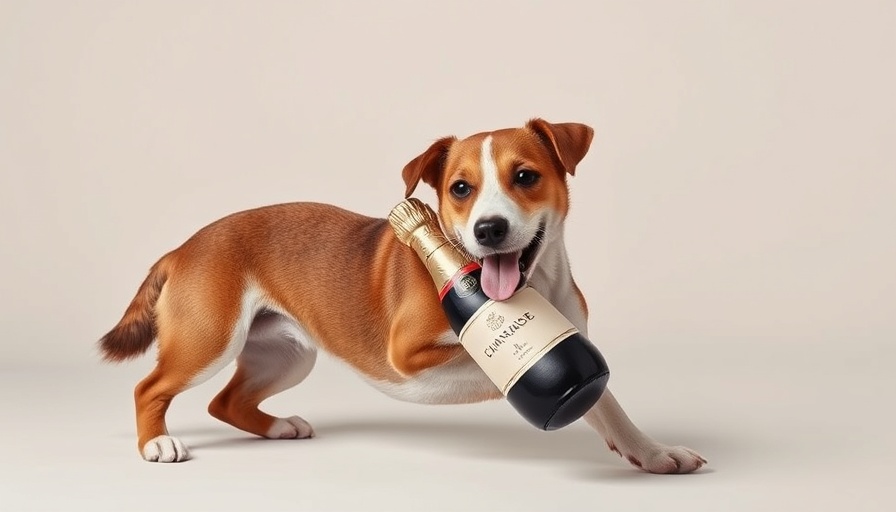
    Pet-friendly New Year's celebrations with dog and toy.

    SEO Keyword: Pet-Friendly New Year’s Celebrations with Your Dog

    As New Year’s Eve approaches, many pet owners feel torn between celebrating the joyous occasion and ensuring their furry companions feel included. The good news is that you don’t have to leave your beloved pets out of the festivities. Let’s explore interactive and fun-filled ways to ring in the New Year with your dog, ensuring their happiness and your enjoyment.

    Festive Toys for a Paw-some Celebration

    When it comes to pet-friendly New Year’s Eve celebrations, the right toys can elevate the experience to new heights. P.L.A.Y. offers a selection of engaging products tailored for your pup’s enjoyment. From Puppin’ Champagne, a squeaky toy that adds bubbly excitement to the festivities, to the Best Day Ever Balloon that features a crinkle texture and squeaker, these toys keep your dog entertained while you celebrate. The Canine Crown not only serves to crown your furry friend in style but also offers enriching play with a hidden t-shirt rope for tugging. Don’t forget the Raise the Woof Party Horn, which provides festive sounds without the risk of startling your pet!

    Baking Bonding Experience

    An enriching and enjoyable way to include your dog in the celebrations is by baking homemade treats together. Leveraging wholesome ingredients, like Cabot Creamery’s Seriously Sharp Cheddar, pet parents can whip up delicious snacks that are both healthy and fun. Not only does this act foster a deeper bond between you and your pup, but it also results in tasty morsels your dog will adore. Plus, these delightful creations can make perfect gifts for fellow pet owners, showcasing the craft and care that goes into pet baking.

    Incorporating Pet-Friendly Recipes

    To enhance the New Year’s Eve festivities, consider integrating pet-friendly recipes into your celebration agenda. Dogs enjoy treats infused with ingredients that are nutritious yet tasty. Several recipes can utilize grains and cheese, providing a healthy twist on traditional dog treats. By creating snacks that your dog can enjoy, you’re inviting them into your celebration in a culinary way that resonates with their sense of taste and smell.

    Creating a Celebratory Space

    Transform your living area into a pet-friendly celebration zone, with elements that cater to both humans and pets alike. Designate a cozy corner for your pup filled with their favorite toys, blankets, and treats. Make sure to include a safe area where they can retreat if the celebrations become overwhelming. This approach will ensure that your furry friend feels secure while still being part of the action.

    Celebrating with Other Pet Parents

    Inviting fellow pet parents over for a shared New Year’s gathering can provide a wonderful platform for socializing. Having a gathering where both humans and their furry counterparts can enjoy playful interactions creates a vibrant and inclusive atmosphere. Plan games that cater to the pets, such as a ‘dog treat hunt’ or a friendly tug-of-war with toys, to ensure each pet has the chance to shine during the festivities.

    Future Trends in Pet Celebrations

    With the rise of pet-centric celebrations, veterinarians, trainers, and pet industry leaders are recognizing the emotional benefits of involving pets in major events like New Year’s Eve. As the understanding of pets’ social needs deepen, expect to see more products and services catering specifically to creating inclusive celebratory experiences. Innovations in pet-friendly treats and interactive toys are on the horizon, promising even more ways to engage your pet during holiday celebrations in the future.

    Conclusion: Make It a Night to Remember

    As we usher in a new year, the emphasis is on togetherness, joy, and love—values that extend to our pets. With thoughtfully chosen toys, delightful homemade treats, and camaraderie among fellow pet owners, you can create an unforgettable New Year’s Eve experience for both you and your dog. Don’t forget to cherish these moments of joy and celebration as you journey into 2025 together!

    Health & Wellness

    0 Comments

    Write A Comment

    *
    *
    Related Posts All Posts
    02.21.2026

    Key-Gaskell Syndrome in Dogs: Understanding This Rare Condition

    Update Understanding Key-Gaskell Syndrome in Dogs Key-Gaskell syndrome, also known as canine dysautonomia, is a neurological disorder that significantly impacts a dog’s autonomic nervous system—the same system responsible for essential bodily functions like heart rate, digestion, and even temperature regulation. This syndrome, while relatively uncommon, poses serious challenges to affected dogs and their owners. Despite the severe nature of this condition, it's crucial for pet parents to be informed about the signs, symptoms, and available methods of management. Symptoms That Signal Trouble Symptoms of Key-Gaskell syndrome can manifest dramatically, often within hours or develop gradually over weeks. Common signs include: Loss of appetite and sudden weight loss Severe gastrointestinal disturbances such as vomiting, diarrhea, or constipation Dilated pupils and dry eyes due to decreased tear production Changes in heart rate and difficulty breathing Lethargy or weakness that affects daily activities More severe symptoms, including difficulty urinating or signs of aspiration pneumonia, necessitate immediate veterinary attention. Prompt diagnosis can significantly influence outcomes. The Diagnostic Journey Veterinarians typically rely on a combination of physical exams, medical history collection, and diagnostic tests to assess a dog for Key-Gaskell syndrome. The Schirmer tear test, for example, measures tear production and can indicate nerve dysfunction. Imaging techniques like x-rays and abdominal ultrasounds may reveal complications, such as aspiration pneumonia and bowel obstructions, while pharmacologic tests help confirm the syndrome's presence. A potential diagnosis might require a deep dive into your dog's general history, allowing veterinarians to better understand the origins and implications of the condition. Key-Gaskell syndrome's complex nature often means that definitive diagnosis may require multiple assessments over time. Coping with the Condition Unfortunately, there is currently no cure for Key-Gaskell syndrome. Treatment focuses mainly on supportive care and addressing the individual symptoms your dog experiences. Depending on the severity of the disease, your vet may recommend: Fluid therapy to combat dehydration Medications to alleviate discomfort, such as anti-nausea medication and supplements for digestive support Therapeutics for dry eyes, respiratory support, and nutritional management Ensuring your dog receives affection and quality care can also play a vital role in comfort and well-being during management. The Road Ahead Though living with Key-Gaskell syndrome can be challenging, awareness and proactive management ensure that pet parents can navigate this journey more effectively. With ongoing veterinary support, some dogs may experience an enhanced quality of life, despite the condition's severe prognosis. Regular monitoring and adjustments in care plans make a difference, showing that while there may never be a complete recovery, dogs with this syndrome can still enjoy their lives. Final Thoughts for Pet Parents Understanding Key-Gaskell syndrome is essential for pet parents. By recognizing the symptoms early and being proactive in managing care, you can offer your beloved pet a more comfortable life. If you suspect your dog might be showing signs of this syndrome, consult with your veterinarian as early as possible to discuss the best course of action for your furry friend.

    02.19.2026

    Unveiling the Truth: Are Dogs' Mouths Cleaner Than Humans'?

    Update Are Dogs’ Mouths Really Cleaner Than Humans’? If you’ve ever found comfort in the idea that a dog’s mouth may be cleaner than your own, it's time to reassess that notion. Despite popular belief, studies have shown that a dog's mouth is not cleaner than a human’s mouth. Both dog and human saliva harbor different kinds of bacteria, many of which pose risks to one another. The Truth Behind the Myth The myth that a dog's mouth is cleaner likely arises from their ability to heal wounds more effectively than humans. However, this ability doesn’t make their mouths free from harmful bacteria. Research indicates that while both dogs and humans have a comparable number of bacteria in their mouths—about 700 types—these bacteria differ significantly in species, some of which can be harmful to humans. Distinct Risks of Dog Saliva One significant concern is the bacterial pathogens that can be transmitted from dogs to humans. For example, Capnocytophaga canimorsus—a bacterium often found in dog saliva—can lead to severe health complications if it enters a human through a cut or wound. In fact, there have been documented cases of blood poisoning due to contact with this particular bacterium. Moreover, a study noted that dogs often explore their environment with their mouths, consuming bacteria from places humans would avoid, such as feces or stagnant water. This behavior exposes them to pathogens that humans typically don't encounter. The Importance of Regular Dental Care Given this understanding, it's crucial for dog owners to prioritize their pets' dental health. A staggering 80% of dogs by the age of two suffer from periodontal disease—a condition driven by the build-up of bacteria. Regular dental check-ups, tooth brushing, and professional cleanings can help maintain optimal oral health in dogs and reduce the risk of bacterial transmission. Human Oral Hygiene: A Comparative Advantage Humans generally maintain better dental hygiene, which is a contributing factor to overall mouth health. Regular brushing and flossing, along with professional dental care, can significantly lower the bacterial load and help prevent the transmission of any harmful pathogens. Who is at Risk? While healthy adults have a minimal risk when interacting with dogs, certain groups are more susceptible. Individuals with weakened immune systems, young children, and the elderly should take extra caution. For them, a harmless lick from a dog could potentially lead to serious health complications. Maintaining a Healthy Human-Canine Bond So, what does this mean for dog owners? Acknowledging the risks associated with dog saliva is essential, but it doesn't diminish the joys of having a canine companion. With proper hygiene practices—such as washing hands after petting or feeding dogs—owners can safely enjoy their pets' company while minimizing health risks. Call to Action For those passionate about maintaining a healthy bond with their pets, consider scheduling a veterinary dental check-up and implementing a consistent oral hygiene routine for your dog. Keeping your dog’s mouth as clean as possible will protect both their health and yours, ensuring many happy moments together.

    02.18.2026

    Essential Sun Protection for Horses: Keeping Your Horse Safe From UV Rays

    Update Understanding the Need for Sun Protection in Horses As the summer heat intensifies, many pet parents overlook an essential aspect of horse care: sun protection. While it's commonly believed that a horse's coat provides adequate shielding from harmful UV rays, this is not always true. Horses with thin coats, pink skin, or light-colored coats are particularly vulnerable to the sun's damaging effects. Who is Most at Risk? Horses with white patches, Appaloosas, and American Paints often have skin that burns easily, particularly on their nose, eyelids, and sparsely haired areas. According to research, horses with sensitive skin due to conditions like uveitis can also suffer aggravated symptoms when exposed to excessive sunlight. Unbeknownst to many horse owners, common medications can heighten photosensitivity, leaving these gentle creatures at risk for painful sunburns. Protecting Your Horse from the Sun Preventive measures are crucial for safeguarding your horse against sun damage. Strategies include limiting sun exposure by keeping your horse indoors during peak sunlight, using UV protective fly masks, and applying equine-friendly sunscreen. The right fly masks not only shield the skin but also protect sensitive eyes from damaging rays. Beware of Signs of Sunburn Sunburn in horses may present similar symptoms to that in humans, such as redness, peeling skin, and sensitivity to touch. Behavioral changes, like head-shaking and avoiding sunlight, can also indicate sun-related distress. It’s critical to monitor these signs regularly, as repeated sunburns can increase the risk of skin cancers. Implementing Effective Solutions As a responsible pet parent, investing in protective gear like UV fly sheets and equine sunscreen is vital. When selecting sunscreen, opt for those containing natural ingredients such as zinc oxide or titanium dioxide to ensure a gentler application. Additionally, keeping your horse in shaded areas during the hottest parts of the day can significantly reduce exposure to harmful UV rays. Conclusion: A Call to Action Incorporating sun protection into your horse care routine is not only a smart decision—it's an essential aspect of overall health. By actively protecting your horse from harmful UV rays, you can ensure a happier, healthier life for your equine friend. If you have further questions about the best protective measures, consult with your veterinarian for personalized advice.

    Terms of Service

    Privacy Policy

    Core Modal Title

    Sorry, no results found

    You Might Find These Articles Interesting

    T
    Please Check Your Email
    We Will Be Following Up Shortly
    *
    *
    *