Add Row
Add Element
cropper
update

{COMPANY_NAME}

cropper
update
Add Element
    Add Element
    • update
    • update
    • update
    • update
    • update
    • update
    • update
    July 31.2025
    3 Minutes Read

    Celebrate International Cat Day: Ideas and Insights for Cat Lovers

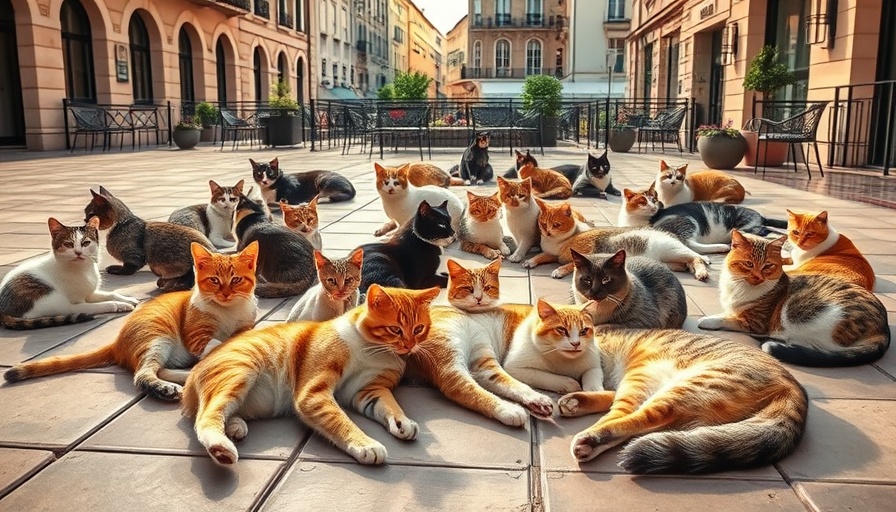
    Cats lounging on patio for International Cat Day.

    International Cat Day: A Global Celebration of Our Feline Friends

    Every year on August 8, cat lovers globally unite to honor the beloved feline companions that enrich our lives. Known as International Cat Day, this celebration serves not only as a tribute to the joys that cats bring but also as a platform for raising awareness about the challenges many cats face today.

    The History Behind the Celebration

    International Cat Day traces its origins back to 2002 when the International Fund for Animal Welfare recognized a need to celebrate and protect cats worldwide. In 2020, the stewardship of this celebration was passed on to International Cat Care, continuing the mission of raising awareness and promoting the well-being of our furry friends.

    The Importance of August 8

    Every August 8, worldwide festivities unfold to honor cats. With an estimated 600 million cats kept as pets, the day emphasizes the role of these animals as companions, spotlighting issues such as feral cat populations and the importance of responsible ownership.

    Ways to Celebrate This Special Day

    As pet owners, celebrating our furry companions can be both fun and meaningful. Here are some ideas to honor International Cat Day:

    • Adopt a New Friend: If you’re considering expanding your family, this is the perfect opportunity to adopt a cat from a local shelter.
    • Host a Fundraiser: Organize a yard sale and donate the proceeds to support local rescue organizations or spay/neuter programs.
    • Volunteer Your Time: Spend time at local animal shelters or rescue organizations. Your support can make a significant difference.
    • Gather Supplies: Collect supplies such as food, toys, or your pet’s unused items to donate to shelters in need.
    • Create a Catio: Consider building an outdoor catio for your cat to enjoy the outdoors safely.
    • Make a Cat Cake: Celebrate your cat by baking a special treat that is safe for your feline friend.

    Community Connections: Celebrating Together

    International Cat Day not only allows for individual celebrations but can also unite communities. Pet nutritionists can share healthy feeding tips through local events, while trainers can offer workshops on cat behavior. Groomers and pet accessory developers can come up with special deals or products honoring the day, enriching the lives of cats and their owners.

    Extending the Celebration Beyond Cats

    International Cat Day complements a variety of other observances focused on animals. From “Take Your Cat to Work Day” to holidays celebrating specific breeds and colors, these celebrations remind us of the diverse ways we appreciate our animal companions.

    Emphasizing Rescue and Adoption

    As we celebrate, it’s essential to stress the ways to help address the challenges that felines face. Advocates and rescue organizations often emphasize the importance of spaying and neutering as a means to control the feral cat population, reducing the number of animals exposed to illness and dangers outdoors.

    Incorporating Your Passion within Your Profession

    For veterinarians, vet techs, and pet care professionals, International Cat Day offers an opportunity to connect with the public. It is a chance to educate owners about health care, nutrition, and ways to be responsible guardians of their pets. Engaging with pet parents in a friendly, informative atmosphere encourages ongoing dialogues about cat care beyond just one day.

    Conclusion and Call to Action

    International Cat Day is a celebration that resonates through our communities, inviting all to appreciate and support our feline friends. Whether you adopt a cat, volunteer your time, or simply share knowledge about cat care and welfare, there are plenty of avenues to make a difference. Join in this worldwide celebration and help ensure a brighter future for cats everywhere—because every day can be Cat Day when you advocate for their well-being!

    Lifestyle

    0 Comments

    Write A Comment

    *
    *
    Related Posts All Posts
    03.10.2026

    Cat Fighting Explained: Solutions for Troubled Felines and Their Owners

    Update Understanding Cat Fights: Why Do They Happen? For many cat parents, witnessing their beloved feline engage in a fight can be a distressing experience. It's essential to understand that cats, by nature, are territorial animals and will often fight to defend their space. This aggression is not limited to outdoor encounters; it can also occur between cats that share a household. Understanding the reasons behind these fights—ranging from territorial disputes to innate aggression in male cats—can help pet owners take action to mitigate conflicts. The Distinction Between Fighting and Play Sometimes what appears to be a cat fight is actually just rough play. Young cats, in particular, engage in behaviors that closely resemble fighting, such as chasing one another, pouncing, and swatting. Recognizing the signs of genuine aggression can be challenging. For instance, play-fighting is typically silent with frequent breaks, while fighting features aggressive sounds like growling or hissing and may result in injuries. Understanding these nuances is crucial for any cat owner, trainer, or behaviorist. Creating a Peaceful Environment To reduce hostility among felines, creating a harmonious living space is key. Each cat should have its own resources, such as food and water bowls, toys, and litter boxes placed in quiet areas. Additionally, introducing cat-appeasing pheromones can help reduce tension and aggressive behavior. Pet nutritionists might emphasize the importance of a balanced diet; some cat foods contain natural calming ingredients that may soothe anxious or aggressive behaviors. Social Interaction: Can Cats Get Along? Not all cats are social by nature, and this can lead to fighting, especially if they feel crowded or compete for resources. Individual personalities play a significant role in this dynamic. Trainers and pet behaviorists can aid in helping cats socialize, teaching them to coexist peacefully through gradual introductions, positive reinforcement, and understanding body language. Each cat has unique traits and preferences that should be taken into account during this process. Addressing Outdoor Encounters Outdoor fights pose added risks for our feline companions. Keeping cats indoors is the safest long-term solution, but if they do venture outside, measures such as securing boundaries and avoiding densely populated areas can help. If your cat has a history of aggressive encounters with neighborhood cats, consider consulting with a vet to rule out any underlying health concerns contributing to their behavior. Neutering is also an effective way to reduce aggression in male cats. Consulting Professionals: When to Seek Help If cat fights persist despite your efforts, it may be time to consult professionals. Vets can assess your cat for potential health issues influencing behavior, while animal behaviorists possess the expertise to moderate aggression and improve socialization skills. Implementing their recommendations can significantly enhance the living environment for your felines. Final Thoughts for Cat Parents Cat fighting is a multifaceted issue that requires understanding and proactive management. Educating yourself on feline behavior, creating an enriched environment, and seeking professional guidance when needed can greatly improve the dynamics between cats in your home. For veterinarians, vet techs, and pet care professionals, staying informed about the nuances of cat fighting not only enhances your knowledge but can also improve your interactions with clients seeking help for their fighting felines. If you're a pet parent dealing with cat fights, take a proactive approach today by consulting a veterinary professional or a qualified behaviorist to ensure your feline friends lead happy, harmonious lives!

    03.07.2026

    Spring Cleaning Your Home and Pets: Tips and Tricks for a Fresher Space

    Update Spring Into Action: Why Spring Cleaning Matters for You and Your Pets As the frost melts away and nature awakens, the ritual of spring cleaning becomes a much-anticipated event. For pet owners, this tradition has added layers due to the responsibilities of pet care. Not only does it give humans a chance to freshen their space, but it also offers an essential opportunity to enhance the quality of life for our furry friends. Keeping a clean environment is crucial in managing allergens and ensuring your pets stay healthy and happy. Cat Care Essentials: Keeping Your Feline Friends Happy PetSmart’s amazing discounts on cat litter and hygiene products are a boon for cat parents. A clean litter box is instrumental in maintaining both your home’s fragrance and your cat’s overall health. Products like the ExquisiCat Litter with odor control help create a stress-free space for your feline companions. The low-dust, paper pellet litter options are not only effective but demonstrate an understanding of allergy considerations for both pets and humans. Deep Cleaning for Pet Owners: The Importance of Hygiene Beyond litter boxes, many pet items require periodic cleaning or replacement. As highlighted by veterinary professionals, cleaning dog and cat beds, toys, and even crates should be part of your spring routine. Beds that are dirty or worn out need to be replaced, and keeping the living area spotless is essential for your pet's well-being. Simple actions like pre-treating stains and using microfiber cloths can make a big difference in the longevity of these items. Creating a Safe and Healthy Space The products at PetSmart make it easy to maintain cleanliness without overwhelming your schedule. For example, opting for the PetSafe® ScoopFree® SmartSpin Automatic Self-Cleaning Litter Box not only saves time but also promotes a healthy environment for your cat. Practical Insights: Pet Pampering and Care Strategies PetSmart offers beyond just cleaning supplies; their pet pampering products are also vital in promoting good hygiene. With products like the Whisker City® Hypoallergenic Sensitive Skin Cat Shampoo, your feline can look and feel their best. What Can You Do This Spring? As a pet owner, there are several actionable insights for spring cleaning. First, prioritize your pets' bedding—wash or replace as needed and ensure it's made from safe materials. Next, organize your pet’s supplies; things like grooming tools, medications, and food should be easily accessible and checked for expiration dates. It’s also a great time to declutter old toys that may pose a hazard. Reflecting on the Seasonal Change The arrival of spring inspires many of us to embrace a clean slate; this is equally important for our pets. As we pack away winter gear and refresh our homes, let’s not forget our responsibility as caregivers. Cleaning isn’t just about making your living space tidy; it’s about ensuring a healthier, happier environment for all members of the family—two-legged and four-legged alike. In conclusion, by taking on spring cleaning diligently, you can enrich the lives of your pets while creating a more pleasant atmosphere in your home. New products and cleaning routines from PetSmart allow you to spring clean smarter, not harder, making this the ideal time to invest in the care and comfort of your furry friends. To get started on your spring cleaning journey, take advantage of the irresistible offers at PetSmart. Your pets—and home—will thank you!

    03.07.2026

    Why Does Your Cat’s Poop Smell Like a Biohazard? Exploring the Causes

    Update Understanding the Scary Stench: Why Your Cat's Poop Might Smell Like a BiohazardNo one enjoys dealing with the litter box, especially when your feline friend’s poop resembles something from a horror movie. The overwhelming smell could make you question whether your cat is sick or if it’s just time to change the litter. However, that overwhelming stench may indicate a variety of health issues, from minor adjustments to potential serious concerns. Let’s delve into the reasons why your cat's poop might smell like a biohazard and how to rectify it.1. Litter Matters: Is Your Choice Making it Worse?Your litter could be part of the problem. Natural options like paper or unscented clay may absorb waste but fail to neutralize odors effectively. As a result, even normal poop can smell awful. What can you do? Switch to a litter that emphasizes odor control or add deodorizing agents to your existing litter. Ensure that you regularly scoop and change the litter to maintain freshness in your home.2. Dietary Changes: What Goes In Must Come OutHave you recently switched your cat’s diet? Rapid dietary changes can lead to smelly, loose stools, as your cat's digestive system struggles to adapt. High-protein diets—necessary for carnivorous cats—can also produce stronger odors. Monitor any changes closely, and consult your vet if the smell persists beyond a day or two. Gradually introduce any new diet to help your cat adjust.3. Bacterial Infections: Potential Dangers from OutdoorsFor those adventurous cats that roam outdoors, the risk of bacterial infections from eating contaminated prey is significant. Bacteria like E. coli and Salmonella can lead to severe gastrointestinal symptoms and rancid-smelling poop. In cases where you detect a persistent odor along with diarrhea or vomiting, it’s vital to consult your veterinarian promptly.4. Intestinal Invaders: The Role of ParasitesParasites such as Giardia and coccidia can lead to foul-smelling waste due to inflammation in the intestines. Unfortunately, many cats can become infected without outwardly showing symptoms initially. If your cat's poop is excessively smelly and you’re aware of recent exposure to other animals, a trip to the vet is necessary for testing and potential treatment.5. Digestive Disorders: When the Gut Can’t Keep UpIssues like maldigestion or malabsorption can cause terrible odors, too. These disorders can stem from sensitivities to certain ingredients or broader health issues. If your cat exhibits signs of bloating, gas, or changes in appetite alongside the smelly stools, it’s essential to work with your vet to create a treatment plan that might involve prescription diets or medications.6. Medications and Supplements: Unforeseen Side EffectsSome medications and supplements your cat may be taking can lead to changes in their digestion and, consequently, their stool odor. If your kitty's poop seems off after starting a new medication, reach out to your veterinarian to discuss possible alternatives or solutions.7. Anal Gland Issues: An Unsightly ProblemInfections or blockages of your cat’s anal glands can also contribute significantly to the foulness of their poop. Should you notice excessive licking, scooting, or any unusual discharge, consult your vet immediately. Treatment can vary depending on the severity.8. Cleaning and Monitoring: Your Key StrategiesWhile it's easy to overlook the importance of monitoring your cat's litter, regular checks can help you catch any potential issues early. Use odor-controlling litter, and strive to keep the litter box clean. Additionally, don’t hesitate to seek online veterinary consultations if you're unsure or unable to visit in person.The Bottom Line: Health Comes FirstWhether you’re a veterinarian, vet tech, or simply a passionate cat lover, understanding the reasons behind foul-smelling poop is crucial. Knowing when to act can keep your cat healthy and your home smelling fresh. If the odor persists or your cat displays other concerning symptoms, a visit to the vet is non-negotiable. Let’s keep our feline friends comfortable and happy!If you're a feline parent, take a moment today to evaluate your cat's litter and diet. They deserve it!

    Terms of Service

    Privacy Policy

    Core Modal Title

    Sorry, no results found

    You Might Find These Articles Interesting

    T
    Please Check Your Email
    We Will Be Following Up Shortly
    *
    *
    *