Add Row
Add Element
cropper
update

{COMPANY_NAME}

cropper
update
Add Element
    Add Element
    • update
    • update
    • update
    • update
    • update
    • update
    • update
    April 27.2025
    3 Minutes Read

    Aluminum Foil: Is This Really the Best Method to Keep Cats Off Counters?

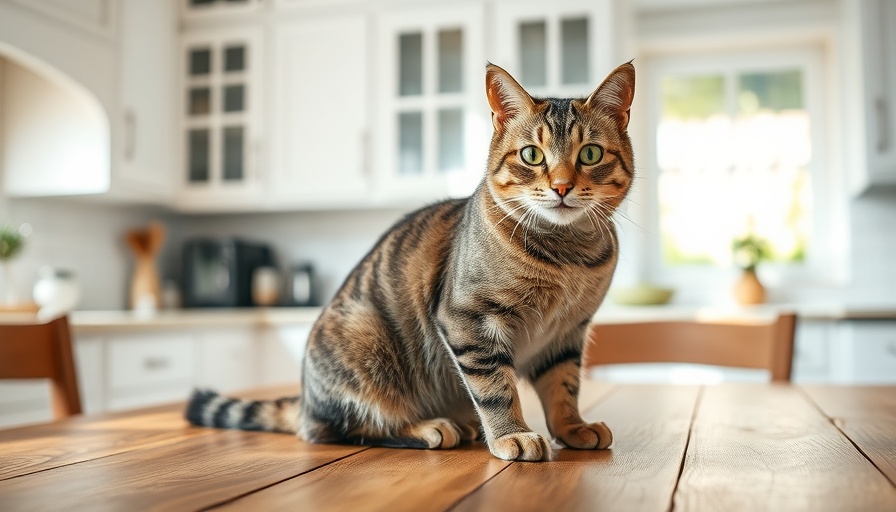
    Tabby cat on kitchen table, bright kitchen background, natural light

    The Impact of Aluminum Foil on Cats: Natural Instincts at Play

    Many cat owners can attest that their furry companions love to explore high places, including kitchen counters, making the battle between cats and countertops a common dilemma. Aluminum foil has emerged as a popular method to deter these curious climbers, but how effective is this shiny solution? Understanding the sensory experiences of cats and their natural instincts can shed light on this feline behavior.

    Cats are wired to climb and investigate their surroundings, and it’s essential to recognize that while the sharp sound of crinkling aluminum foil can startle them, this method doesn’t guarantee a permanent solution. For some cats, the discomfort of standing on foil is enough to deter them, while others may see it as a challenge to conquer.

    Beyond Aluminum Foil: Alternative Methods to Keep Cats Off Counters

    Despite the humorous nature of videos showcasing cats leaping back from aluminum foil, it is crucial to explore consistent and effective alternatives to prevent counter surfing. Experts suggest providing physical outlets for climbing and playing, such as cat trees or shelves. These alternatives not only satisfy a cat's climbing instinct but also help in reducing the desire to jump on forbidden surfaces.

    Another practical approach involves creating an environment where climbing is fun but designated to specific areas. Providing ample scratching posts or interactive play zones can divert a cat’s attention away from kitchen countertops, offering them a more suitable and enticing space to explore.

    Addressing Behavioral Insights: Why Cats Jump on Counters

    Understanding why cats jump onto countertops is vital for pet parents. Cats are opportunistic and may seek out countertops due to a variety of reasons: curiosity, hunting instincts, or simply boredom. Cats possess a natural inquisitiveness that drives them to investigate items placed on countertops. Keeping counters clutter-free and engaging your cats through play can address some of these urges.

    Additionally, some proactive measures cat owners can take include removing food scents from these areas, ensuring that enticing treats do not linger, and reinforcing rules with positive reinforcements when they stay off designated surfaces.

    Finding the Right Balance: Love and Discipline Where It Counts

    Encouraging desirable behavior in cats requires a balance between discipline and respect for their instincts. Cat training experts recommend spending time understanding your cat’s behavior and responding to their natural tendencies. For instance, through clicker training or rewarding them for positive behavior, cats can learn to respect boundaries while also recognizing their need for exploration.

    Another suggestion advocates for providing a safe outlet where cats are free to climb without restrictions—like a catio, which can be a big advantage for climbing cats. Catio builders and pet accessory developers are increasingly recognizing this need, designing spaces that satisfy your cat’s climbing urges while ensuring they stay safe.

    Community Wisdom: Shared Insights from Pet Professionals

    Veterinarians, trainers, and fellow cat parents often share tips that can be beneficial in addressing issues like counter surfing. Over the years, trainers have emphasized that each cat is unique and might respond differently to various deterrents, including aluminum foil. Keeping a journal of what works for your cat can offer valuable insights into their behavior.

    Furthermore, pet nutritionists recommend considering a cat's appetite and ensuring they are adequately fed, as a hungry cat is more prone to seeking out countertops for leftover food. This communal approach to addressing behavioral challenges in cats is not only helpful but can also create deeper connections between pet parents and their furry friends.

    Final Thoughts: Encouraging Healthy Habits for Cats

    Ultimately, while aluminum foil may work for some, it isn’t the definitive answer to keeping cats off counters. Understanding cats' sensibilities and natural instincts is vital in developing successful, long-term solutions. By fostering an understanding environment full of engaging alternatives, pet parents can encourage their cats to explore designated climbing spaces without relying solely on deterrents.

    Cats are not just pets; they are family members that deserve both freedom and guidance. By incorporating more structured play, dedicated spaces for climbing, and respecting their instincts, you're on the right path to creating a harmonious household.

    Lifestyle

    Write A Comment

    *
    *
    Related Posts All Posts
    12.13.2025

    Why Kittens Suckle: Insights for Pet Professionals and Owners

    Update Understanding Kitten Suckling BehaviorKittens are adored for their playful quirks and undeniable charm, but one behavior that might catch new pet parents off guard is suckling. It's not uncommon to see these little furballs latch onto blankets, fingers, or even their own tails, prompting the question: why do kittens suckle? Clarity on this behavior can not only foster a deeper bond with your furry friend but also help identify potential concerns that may require professional insight.Why Do Kittens Suckle?There are several reasons why a kitten might display this suckling behavior, each providing unique insights into their emotional and physical state:1. An Early WeaningOne significant reason is early weaning. Kittens removed from their mother before the age of eight weeks may seek comfort by suckling on soft objects. This behavior is their instinctual attempt to replicate the solace and nourishment they would normally receive from their mother's milk. Understanding this can be crucial for veterinarians and pet nutritionists who aim to support these young animals in adapting to their new environment.2. Hunger SignalsSometimes, suckling can signal hunger. If your kitten exhibits this behavior more frequently, it might be time to reassess their feeding schedule. Inquire about dietary adjustments with a pet nutritionist to ensure your kitten’s dietary needs are met effectively.3. A Display of TrustWhen a kitten suckles on their owner's clothing or hand, it's more than just a need for food – it's a sign of trust. Engaging with them during these moments can enhance your bond, showcasing how emotional support plays a vital role in their development.4. Breed PredispositionsCertain breeds such as the Siamese and Oriental Shorthair are more prone to suckling than others. Understanding these genetic predispositions can help trainers and breeders tailor their approaches for specific breeds, creating more favorable environments.5. Self-Soothing MechanismMuch like a toddler might suck their thumb for comfort, kittens often use suckling as a soothing mechanism. This behavior tends to emerge during times of stress or anxiety, demonstrating the importance of providing a calm environment and sufficient attention to alleviate their unease.6. Happy MomentsA suckling kitten can indicate pure joy. If they are cozily lounging with you or nestled in a warm blanket, this behavior signifies their happiness. Recognizing these joyful moments can reinforce positive interactions and explore happy pet parenting practices.7. Attention-Seeking BehaviorLastly, the suckling act can be an appeal for attention. If your kitten senses your disinterest, they may turn to suckling as a way of regaining your focus. Engaging with your furry friend during these moments can mitigate feelings of neglect and enhance their emotional security.Common Concerns: When to WorryWhile suckling is typically harmless, there are instances where it may require attention:Compulsive BehaviorIf your kitten's suckling crosses over to compulsive behavior—where they're fixated on sucking to the exclusion of all else—it may signify deeper stress or behavioral issues. Consulting with a veterinarian or animal behaviorist can provide strategies for addressing this issue.Health Risks of SucklingCaution should also be exercised with fabrics that could pose choking hazards if ingested. Monitoring your kitten's interaction with various objects can prevent accidental ingestion of harmful materials.Nurturing Your KittenTo support healthy suckling habits, consider the following:1. Provide ComfortEnsure that your kitten feels safe and secure in their environment. Create a cozy space with soft bedding and toys that they can play with and suckle on.2. Consistent InteractionEnsuring ample interaction through playtime and affection allows your kitten to feel valued and less likely to resort to suckling for attention.3. Redirecting BehaviorIf your kitten becomes overenthusiastic, gently redirect their attention to a toy or engage them in a different activity to manage their suckling.4. Dietary AdjustmentsIncorporating fiber into their diet may help make them feel fuller, reducing the need to look for comfort in fabric.Final ThoughtsRecognizing the reasons behind kitten suckling can immensely benefit both pet owners and professionals alike. Understanding this behavior, identifying when it crosses the line from normal to concerning, and knowing how to address it responsibly contributes to the overall well-being of our feline companions. By fostering an environment of love and support, we empower our kittens to thrive in their new homes.For veterinarians, trainers, and pet advocates, embracing these insights enhances the caregiving process, ensuring not only the comfort of kittens but their success in becoming well-adjusted adult cats. Cultivating a nurturing approach fosters a world where kittens are celebrated not just for their cuteness but for their emotional needs as well.

    12.12.2025

    Explore the Most Adorable Cats of the Week: Winners Announced!

    Update Showcasing the Stars of Our Feline Friends Every week, Catster brings a delightful showcase of our beloved feline companions through its Cat Photo Contest, a platform that celebrates the quirks and unique personalities of cats. From playful antics to dignified poses, each week's winners charm their way into our hearts, serving not just as adorable companions but also as inspirations for pet parents everywhere. Knox: The Mischievous Fluffball This week’s champ in the Cutest category, Knox (@Tp1216), stole the spotlight with her infectious energy and adorable quirks. Known for her zoomies at midnight and dramatic tail-chasing routines, Knox exemplifies the joyful chaos that many cat parents experience. Her owner shares, “She keeps everyone laughing with her antics!” This resonates deeply with those who understand the blend of chaos and joy a pet brings into their lives. Embracing the Sleepy Charm of Cats In the Sleepiest category, Kitty (@malmerised) reminds us all why cats hold a special place in our hearts. Kitty’s slumber, complete with occasional drooling, is an adorable sight that many feline enthusiasts can relate to. Her owner wittily notes, “Kitty sleeps like she hasn’t slept in years!” This playful acknowledgment of a cat's nature resonates with veterinarians, groomers, and trainers who often observe how sleep plays a role in a cat's well-being. The Grace of Dignity: Mystic Stands Tall Mystic (@michelleroy_yoga), crowned the Most Dignified, showcases the elegance cats can embody. Described as “a forever kitten” by her owner, Mystic’s regal presence highlights the strong bond cats form with their humans. This bond echoes across veterinarians and pet nutritionists who often note the importance of emotional connections in promoting pet health and longevity. A Snapshot of Action with Jenni-Girl Moving to the playful side, Jenni-Girl (@yogurlash) clinches the title of Best Action Shot. Her joyful catnaps merge with her love for outdoor exploration, captivating enthusiasts who aim to capture the full spectrum of cat life. It's a reminder of how important it is to create enriching environments for pets—inspire by the playfulness of Jenni-Girl’s story, pet accessory developers can consider innovative outdoor setups for interactive play. Greg: Persuasion at Its Finest In a delightful twist, Greg (@Gregthepersian), who won in the Most Expressive category, showcases the convincing charm that many cats harbor. With the ability to win over even the most apprehensive visitors, Greg’s personality highlights the need for understanding pet behavior. Such stories inspire pet trainers and grief counselors alike, advocating for patience and recognition of a cat's emotional intelligence. The Humor of Sibbie the Silly Lastly, Sibbie (@KatieBratie), known for his playful antics, was crowned the Silliest. This gentle rescue lover captures the light-hearted spirit that cats bring, resonating with a community of advocates and rescue organizations focused on spreading awareness about adopting pets in need. Sibbie’s story underscores the importance of finding joy and laughter alongside the responsibilities of pet parenting. Paws for Reflection and Connection The weekly Catster contests not only highlight the beauty and charm of our feline friends but also serve as a touchstone for those in the veterinary and pet care fields. As each cat tells their unique story through photos, they also promote connections among pet parents, caregivers, and the broader community. From understanding health requirements to exploring creative grooming techniques, there's a pet parenting journey in each snapshot. Join the Celebration! If you have a furry friend with a captivating story and photogenic flair, consider entering them into next week’s contest. It’s a joyful way to celebrate your bond and share their personality with a larger community. Together, let’s create an ongoing tapestry of enchanting purr-sonalities through the eyes of those who know them best: you, the dedicated pet parents.

    12.11.2025

    Discover Vet-Approved Natural Remedies for Cat Scabs and Care

    Update Paw-sitive Steps to Address Cat Scabs Naturally Noticing rough patches on your feline friend's fur can be alarming for any cat parent. Scabs often signify underlying skin conditions, but what many pet owners might not realize is that they usually indicate that your cat's skin is fighting for healing. While it's crucial to seek veterinary advice to understand the underlying cause of these scabs, there are also several gentle and effective home remedies designed to provide your kitty with comfort during their recovery. Here we explore vet-approved natural solutions that not only soothe irritated skin but also promote overall wellness for your furry friend. Understanding Cat Scabs: The Basics Scabs on a cat's skin, medically referred to as miliary dermatitis, can arise from various issues, including allergies, flea bites, infections, or even stress. It's essential to ensure that these symptoms don't worsen, as a cat's instinct to scratch can lead to further complications, such as infected lesions or hair loss. A significant aspect of caring for your cat involves understanding what may be causing the scabs and ensuring that they receive the appropriate treatment. Warm Towel Wraps: A Simple Soothing Method One of the simplest remedies for addressing scabs is a warm towel wrap. Soaking a towel in warm (not hot) water, wringing it out, and gently applying it to the affected area helps to soften scabs. The warmth calms irritated skin underneath while promoting natural healing. Just be cautious if the scabs are caused by a fungal infection since moist conditions can aggravate such issues. The Magic of Epsom Salt Soaks If your cat tolerates baths, consider an Epsom salt soak, which has soothing properties to calm swollen irritated skin. This short soak can make a difference by cleaning the affected area and alleviating discomfort, creating an effective, stress-free experience during bath time. Nature's Healers: Calendula and Oatmeal Baths Calendula, known for its anti-inflammatory and antiseptic properties, can serve as a gentle treatment for scabs. A diluted calendula solution can be sprayed lightly on small affected areas or used as a warm compress. Meanwhile, an oatmeal bath can also provide relief for itchy skin; the finely ground oatmeal mixed with warm water acts as a natural moisturizer, promoting comfort while being safe for your cat to lick off during grooming. Topical Soothers: Aloe Vera and Coconut Oil Aloe vera gel can be an effective topical remedy due to its cool, soothing properties, but it's vital to apply it cautiously as cats may lick it off—ensure only pure aloe gel is used, avoiding the potentially toxic leaf skin. Coconut oil, on the other hand, can be both applied externally and incorporated into your cat's diet (with vet approval), enriching their system and helping skin healing from the inside out. Why Scabs Show Up in the First Place Understanding why your cat has developed scabs is just as important as knowing how to treat them. Frequent causes include allergies to food or environment, flea infestations, stress, and infections. Identifying and addressing the root cause is essential to prevent future issues. Regular examinations and open communication with your veterinarian can help you navigate the complexities surrounding your cat's health. Preventive Measures: Keeping Scabs at Bay Prevention is key! Regularly check for fleas, keep your cat’s environment clean, and not hesitate to consult your vet when introducing new products or foods. By recognizing the signs early—such as excessive scratching or changes in behavior—you can ensure that your kitty stays comfortable and healthy. Final Thoughts: Your Cat’s Well-being Matters Scabs can indicate more serious conditions and should never be dismissed. While home remedies can provide relief, they work best in conjunction with veterinary guidance. These natural fixes have been crafted not just to offer temporary comfort but also to promote a holistic approach to your cat's health. As a dedicated pet parent, your goal should always be to create an environment that nurtures and supports your furry friend's well-being. Ready to give your cat the relief they deserve? Start integrating these natural remedies into your routine and monitor their progress. Your furry friend will thank you for it!

    Terms of Service

    Privacy Policy

    Core Modal Title

    Sorry, no results found

    You Might Find These Articles Interesting

    T
    Please Check Your Email
    We Will Be Following Up Shortly
    *
    *
    *