Add Row
Add Element
cropper
update

{COMPANY_NAME}

cropper
update
Add Element
    Add Element
    • update
    • update
    • update
    • update
    • update
    • update
    • update
    April 16.2025
    3 Minutes Read

    Celebrate Valentine's Day with Your Beloved Pet: Creative Ideas for Pet Love

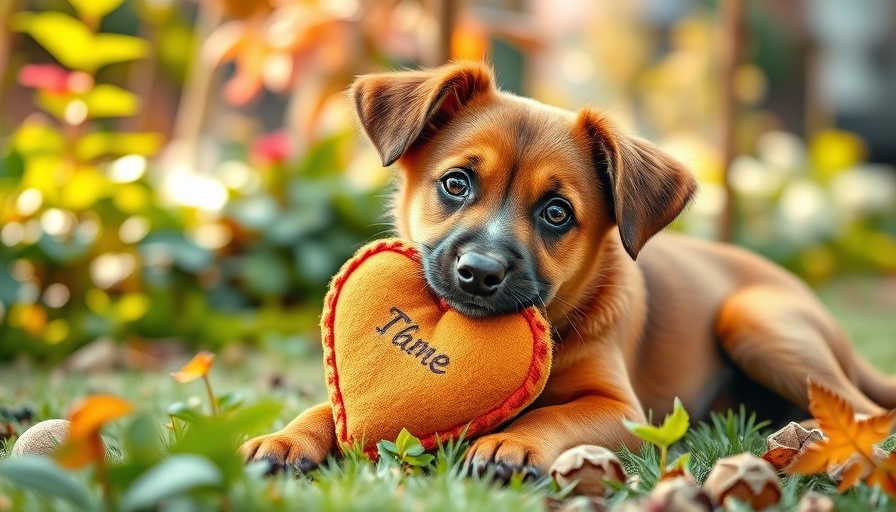
    Dog with heart toy in garden setting, celebrating Valentine's Day.

    Celebrating Love: Why Your Pet Deserves It

    As we approach Valentine’s Day, there’s no denying that our pets deserve to be celebrated just as much as our human loved ones. These furry friends give us unconditional love and companionship, making it only fitting to return the favor. This guide will explore how you, as pet parents and professionals in the field, can creatively express your affection for your pets through treats, activities, and special moments.

    Homemade Treats: A Love Language Your Pet Can Taste

    Homemade treats are an excellent way to show your love while ensuring that your furry companions enjoy healthy ingredients. For dogs, consider simple recipes that incorporate carrots—an underrated superfood. From carrot and peanut butter biscuits to various other easy-to-make goodies, these treats can keep your dog wagging its tail.

    Cats also enjoy special treats, and the wonders of salmon shouldn’t be overlooked. It’s rich in omega-3 fatty acids, promoting shiny coats and overall health. Treat your feline with delectable recipes, such as salmon bites or even a tuna cat cake, that will have them purring with delight! Including them in the experience can also strengthen your bond; let them sample the ingredients as you mix and measure.

    Creating Lasting Memories: Photoshoots with a Twist

    Valentine's Day doesn’t just have to be about the treats. Why not capture your furry friend’s personality through a themed photoshoot? Grab cute props like heart-shaped toys and collars to make your photo session unforgettable. Whether it's a DIY setup at home or a professional shoot, these moments create lasting memories. Share your unique ideas or special moments on social media—they could inspire others in the pet-loving community!

    Emotional Value: Understanding Your Pet's Need for Connection

    As professionals working closely with pets, it’s vital to understand their emotional needs. For many, being pampered with extra affection and attention can alleviate stress and enhance their overall well-being. Whether you’re a veterinarian, a groomer, or part of a rescue organization, recognizing these aspects can improve your connection with pets in your care.

    Fun Activities to Bond Beyond Treats

    Besides feeding and pampering, consider engaging in fun activities tailored to your pet's interests. For instance, take them on a nature walk or play interactive games that sharpen their skills. Trainers often suggest using mentally stimulating toys that challenge pets, ensuring they stay physically and mentally engaged. Activities like these not only celebrate Valentine's Day but also support their health and development.

    Taking Action: How To Celebrate Love for Your Pet This Valentine’s Day

    The path to showing love is multifaceted—cooking fun treats, spending quality time, indulging in capturing memories, and understanding their emotional landscape is just the beginning. As professionals in the pet industry, we should inspire pet owners to extend this love beyond Valentine’s Day. Help them create new traditions or implement educational workshops to share information about pet care and wellness.

    Join the Celebration: Share Your Vaccine Stories!

    We want to hear how you plan to celebrate Valentine's Day with your pets! Share your special moments, unique treats, or thoughtful activities in the comments below. Remember, love is also about sharing experiences and building community!

    Celebrating Valentine’s Day with your pets can deepen bonds and promote their welfare. Let's work together to emphasize the significance of love in animal care—even beyond this hallmark day. Whether you're crafting homemade treats or thinking of innovative activities; remember, the simplest gestures can have the most profound effects on their joy and health!

    Health & Wellness

    Write A Comment

    *
    *
    Related Posts All Posts
    12.11.2025

    Discover the Best Holiday Pet Gifts of 2025 for Your Furry Friends

    Update Why Celebrate with Gifts for Pets? The holiday season is not just about human companionship; it’s about celebrating all family members, including our beloved pets. Giving your four-legged friends a holiday gift goes beyond mere indulgence; it fosters emotional well-being and strengthens the bond shared between pets and their owners. In fact, the act of gift-giving eases stress during hectic times and creates lasting memories that can be cherished in photos. Top Holiday Pet Picks for Dogs and Cats in 2025 With numerous options hitting the shelves this year, selecting the best gifts for pets can seem daunting. Here, we've compiled a diverse range of toys, treats, and accessories—perfect for dogs and cats alike. These selections incorporate elements of fun, engagement, and even comfort—all essential for a happy holiday season. 1. **Snuffle Mat**: Touted as the best enrichment gift for dogs, the P.L.A.Y. Thanksgiving Snuffle Mat dazzles with its vibrant design and interactive mechanism. It captivates pets as they forage for hidden treats, stimulating both their noses and brains. This exciting engagement not only helps in slowing down fast eaters but also offers them a robust mental workout during the dreary winter months. 2. **Home for the Holidays Toy Set**: Capturing the spirit of Christmas, this collection makes for delightful dog toys, featuring charming plush designs such as the Twinkly Tugger string lights. These toys promote active play and make the perfect props for festive family photographs. 3. **Paw-nukkah Collection**: For homes celebrating Hanukkah, the P.L.A.Y. Paw-nukkah Collection marries festive joy and canine fun with plush toys designed to symbolize the holiday. From a squeaky menorah to crinkle toys, these gifts combine play with cultural significance. Gifts That Promote Health and Happiness Gifts should also cater to the overall health and happiness of pets. Options like slow feeders or lick mats are more than mere toys; they enhance feeding habits and combat anxiety. For busy pet parents, enriching toys that provide sustained entertainment can alleviate behavioral issues caused by boredom. Some notable health-oriented gifts include: **Barktender Collection**: This quirky collection, featuring plush toys shaped as playful cocktails, brings humor and value, turning ordinary family gatherings into delightful barking bashes. **Aquapaw Slow Treater Silicone Lick Mat**: Ideal for keeping dogs calm during baths, this mat encourages licking, transforming an uneasy experience into an enjoyable one. Innovative Pet Products to Keep in Mind Every year brings new innovations in pet products, and 2025 is no different. As the focus on sustainability continues to rise, many brands are launching eco-friendly, enriching toys and accessories that not only cater to pets’ physical needs but also their mental wellness. Some trends to look out for include: **Interactive Toys**: With the emergence of smart technology for pets, interactive toys now can connect with apps to tailor games and reduce separation anxiety. **Subscription Boxes**: For the ultimate gifting experience, subscription services that deliver curated pet products can keep the joy alive well into the new year. Consulting with Professionals: The Gift of Expert Advice As veterinarians and pet health experts work tirelessly to ensure the well-being of our fur babies, consulting professionals can also guide pet parents toward the best choices for their pets. Recommendations might include unique nutrition-focused gifts or toys that double as training aids, ultimately promoting a holistic approach to pet care. It's essential to remember that every pet has unique preferences and needs, whether that’s choosing a new toy, a cozy blanket, or healthy snacks tailored to specific dietary requirements. Balancing fun and health can yield gifts that resonate, fostering connection and love. Crafting Unique Holiday Experiences The holidays present a unique opportunity for pet parents to build memorable experiences through thoughtful gifting. Creating unique moments—such as personalized holiday pet portraits or handcrafted toys—can make your animal friend feel extra special. Additionally, look for opportunities to give back by donating gifts to local animal shelters, which helps create a sense of community during this festive period. How Pets Enrich Our Lives As the holiday season approaches, it’s vital to remember that our pets are not just companions; they are dear family members who deserve celebration. The act of sharing, whether through treats or meaningful gifts, is a way for us to express our gratitude for the love and joy they bring into our lives. Rediscover the joy by creating unforgettable memories this holiday season, keeping in mind what our furry friends truly value: love, attention, and fun! So this year, let’s enrich our pets’ lives and make the holiday season joyful for every family member—fur, feathers, or fins!

    12.04.2025

    Equine Influenza: What Every Pet Parent Must Know to Protect Their Horses

    Update Understanding Equine Influenza: A Common Yet Serious Threat Equine influenza is a highly contagious respiratory virus that primarily affects horses but can also impact mules and donkeys. Known for its rapid transmission, especially in environments where horses gather, such as shows and events, this virus poses a significant threat to equine health. For pet parents who cherish their horses, understanding this disease is essential for prevention and effective management. Identifying Symptoms of Equine Influenza Horses infected with equine influenza can exhibit a variety of symptoms, including coughing, fever exceeding 102°F, nasal discharge, and lethargy. In some cases, horses may become asymptomatic carriers, capable of spreading the virus without showing any visible signs of illness. Recognizing these symptoms early is crucial to initiating proper care and minimizing the risk of spreading the virus to other horses. Diagnosis and Treatment: What to Expect Diagnosing equine influenza can be tricky since its symptoms often overlap with those of other respiratory diseases. A veterinarian may recommend a nasal swab or blood test to confirm the presence of the virus. Treatment primarily involves rest, supportive care (including fluids), and anti-inflammatory medications if necessary. In cases of secondary bacterial infections, antibiotics may be prescribed. Most horses recover fully within a few weeks, provided they receive appropriate care. The Importance of Vaccination and Biosecurity Measures Proactive vaccination is one of the best defenses against equine influenza. Keeping horses up to date with annual vaccines, or more frequently for those at higher risk, helps protect them from this viral threat. Additionally, biosecurity measures are crucial. New horses should be quarantined for two weeks, and strict hygiene protocols should be followed in barns to prevent outbreaks among existing horses. What Horse Owners Need to Know As a pet parent, being aware of the various factors that increase the risk of equine influenza can help you safeguard your horse’s health. These include exposure to recently imported horses, attendance at events with large gatherings, and insufficient vaccination history. Regularly monitoring your horse’s health, especially during the flu seasons from November to March, can lead to timely intervention and better outcomes. Building Community Awareness Through Education Understanding equine influenza is not just about protecting your own horses—it's also about contributing to the overall health of the equine community. As an engaged pet parent, share insights and information about this condition with fellow horse owners. A collective awareness can lead to more proactive prevention strategies across communities, ultimately safeguarding our beloved equine companions. In conclusion, while equine influenza can lead to health challenges for horses, with knowledge, vaccination, and proper management, pet parents can effectively protect their horses and help control the spread of this virus. If you suspect your horse is showing symptoms of equine influenza or you would like more personalized advice on preventative measures, consider consulting with a veterinarian today.

    12.03.2025

    Noise Phobia in Dogs: How to Help Your Pet Cope

    Update Understanding Noise Phobia in Dogs: A Persistent Threat As pet parents, we want our furry companions to feel safe and comfortable in their environments. One common yet often ignored issue many dogs face is noise phobia, affecting up to 50% of dogs. Unlike mere aversion, where a dog displays discomfort, noise phobia leads to panic, triggering severe anxiety responses to triggers like thunderstorms, fireworks, and vacuum cleaners. The Dangers of Ignoring Noise Phobia Many people may consider their dog’s fear of loud noises as just a phase or personality quirk, but failing to address noise phobia can lead to serious consequences. Dogs suffering from this condition often experience increased stress levels that can result in destructive behavior, injuries while attempting to escape, and a strained human-animal bond. It’s essential to recognize these fears and take proactive steps in managing them. The Psychological Impact of Loud Noises on Dogs Dogs' auditory systems are significantly more sensitive than ours, allowing them to hear a broader range of frequencies. Consequently, they pick up on sounds that humans might ignore or not perceive as alarming. A single negative experience, such as being startled by a sudden bang, can condition a dog to develop a lasting phobia. It's crucial to understand that what may seem like harmless fireworks or thunder can trigger an instinctual fight-or-flight response in our pets. Symptoms of Noise Phobia: Recognizing the Signs Common symptoms of noise phobia can manifest in several ways. Dogs may exhibit behaviors such as hiding, whining, excessive barking, pacing, or even destruction of household items. Acknowledging these signs is the first step in understanding the severity of the issue and initiating appropriate treatment. Effective Treatments and Management Techniques To help alleviate the distress associated with noise phobia, several strategies can be implemented: Environmental Management: Create a safe haven by designating a quiet room or space devoid of windows. Here, your dog can retreat when they feel overwhelmed. Behavior Modification: Gradually expose your dog to sounds they fear at a low volume, rewarding them with treats during exposure to create positive associations. Pharmaceutical Aid: In some cases, anxiety medications such as Sileo or Pexion can be effective for severe phobias. Consulting with a veterinarian for tailored recommendations is crucial. The Promise of Preventative Measures While it's often challenging to reverse noise phobias once they develop, pet parents can implement preventative measures during a dog's formative months. Gentle exposure to various sounds, paired with positive reinforcement, can help them build resilience and reduce the chances of developing phobias later in life. Conclusion: Empowering Pet Parents Understanding your dog’s potential fears regarding loud noises is imperative. The treatment process for noise phobia may take time and patience, but with appropriate strategies and support, it is possible to mitigate these fears and improve your pet's quality of life. If you suspect your dog exhibits any signs of noise phobia, don't hesitate to take action. Your dog deserves a safe and loving environment, free from the shackles of fear.

    Terms of Service

    Privacy Policy

    Core Modal Title

    Sorry, no results found

    You Might Find These Articles Interesting

    T
    Please Check Your Email
    We Will Be Following Up Shortly
    *
    *
    *